Your espresso machine is likely leaking because of a worn gasket, a loose connection, a clogged valve, or a cracked water tank. These issues are common in home machines and often fixable without a repair shop. Understanding the source of the leak is the first step to getting your machine back to making great espresso.
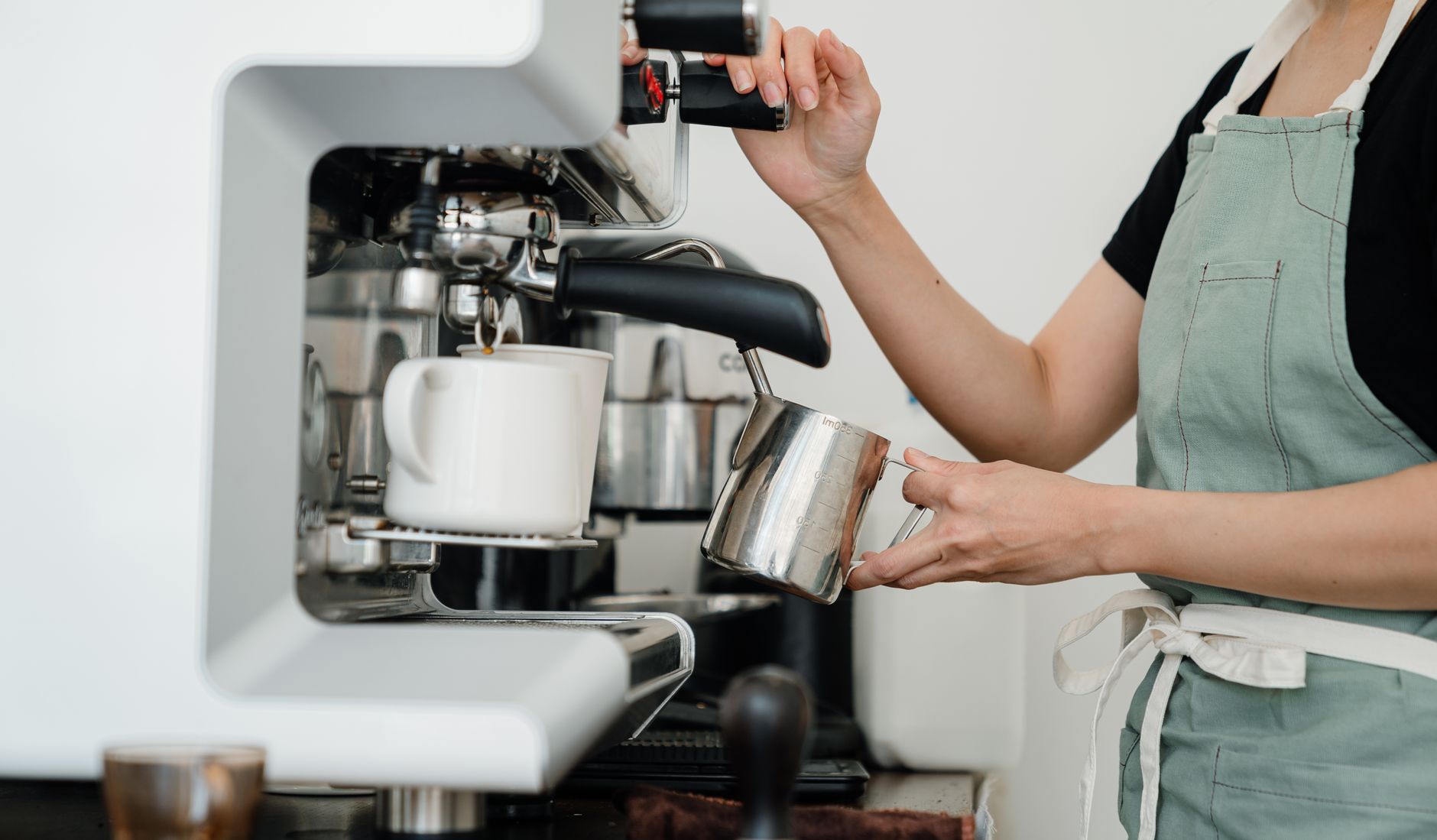
Worn or Deteriorated Group Head Gasket
The group head gasket is a rubber or silicone ring that seals the portafilter to the brew head. Over time, heat and pressure cause it to harden, crack, or flatten. When it loses its seal, water escapes around the portafilter during brewing.
You can often see the leak by looking at the gap between the portafilter and the group head while brewing. If water drips or sprays from that area, the gasket is the likely culprit. Replacing it is a simple DIY task for most machines.
Loose or Cracked Water Tank
A water tank that is not seated properly can cause water to seep from the base of the machine. Many machines have a check valve or a silicone seal at the bottom of the tank. If the tank is cracked or the seal is missing, water will leak out when the tank is filled.
Check the tank for visible cracks, especially around the bottom edges. Also, ensure the tank is pushed all the way down so it engages the internal water inlet. A loose tank is an easy fix that requires no tools.
Clogged or Faulty Three-Way Valve
The three-way valve releases pressure from the brew head after each shot. If it becomes clogged with coffee grounds or scale, it can stick open or closed. A stuck valve may cause water to drip continuously from the group head or from the drip tray area.
You might notice the machine leaking even when it is not brewing. Descaling your machine regularly can prevent this issue. If the valve is already clogged, it may need to be disassembled and cleaned or replaced.
Overfilled or Misaligned Drip Tray
The drip tray collects waste water and overflow. If it is overfilled, water can spill over the edges and make it look like the machine is leaking. Some machines also have a float that indicates when the tray is full.
Remove the drip tray and empty it. Also, check that the tray is properly aligned in its slot. A misaligned tray can cause water to pool underneath the machine rather than draining into the tray itself.
Cracked or Loose Internal Hoses
Internal silicone hoses carry water from the tank to the boiler and from the boiler to the brew head. Over time, these hoses can develop pinhole leaks or become disconnected at their fittings. This type of leak often appears as water pooling inside the machine or dripping from the bottom.
If the leak is coming from the underside of the machine and you have ruled out the tank and drip tray, internal hoses are a strong possibility. Replacing a hose is more involved but still doable with basic tools and a service manual for your model.
Scale Buildup in the Boiler or Steam Wand
Mineral scale from hard water can accumulate in the boiler and steam wand. When scale builds up, it can cause the steam wand to drip or the boiler pressure relief valve to leak. This often shows as water or steam escaping from the steam wand tip or from the top of the machine.
Regular descaling with a solution designed for espresso machines can prevent this. If scale is already causing a leak, a deep descale or a boiler flush may resolve it. Ignoring scale can lead to more expensive repairs down the road.
How to Fix a Leaking Espresso Machine
Once you have identified the cause, here are the steps to fix each issue. Always unplug the machine before working on it.
- Replace a worn group head gasket with a new one that matches your machine model.
- Re-seat or replace a cracked water tank. Check the tank seal for damage.
- Clean or replace a clogged three-way valve. Descaling may also help.
- Empty and re-align the drip tray. Do not let it overfill.
- Inspect and tighten or replace internal hoses. Look for cracks or loose fittings.
- Descale the boiler and steam wand to remove mineral buildup.
If you are troubleshooting a different appliance issue, the same diagnostic approach applies. For example, understanding why a tool stops working can help you fix it yourself.
Frequently Asked Questions
Can a leaking espresso machine be dangerous?
Yes, a leak can cause electrical shorts or slip hazards. Water inside the machine can damage internal components and create a shock risk. Unplug the machine immediately if you see a leak and address the cause before using it again.
How often should I replace the group head gasket?
Most manufacturers recommend replacing the group head gasket every 6 to 12 months, depending on usage. If you notice water leaking around the portafilter, replace it sooner. Using a silicone gasket can extend the lifespan compared to rubber.
Why is my espresso machine leaking from the bottom?
A leak from the bottom usually indicates a cracked water tank, a loose internal hose, or a faulty boiler seal. Check the tank first, then inspect the internal hoses and connections. If the leak persists, a boiler seal may need replacement.
Does descaling fix a leaking espresso machine?
Descaling can fix leaks caused by scale buildup in the boiler or steam wand. It will not fix a worn gasket or cracked tank. Descaling is a good preventive step, but it is not a cure-all for every type of leak.
Can I use my espresso machine if it is leaking?
It is not recommended. A leak can worsen over time, leading to water damage to your counter or the machine’s electronics. Stop using the machine until you identify and fix the leak to avoid more costly repairs.
Related Guides
- Best Espresso Machine Without Pods
- Best Espresso Machine for Beginners
- Best Automatic Espresso Machine for Home Baristas
Final Thoughts
A leaking espresso machine is almost always caused by one of a few common issues: a worn gasket, a loose tank, a clogged valve, or scale buildup. Diagnosing the source quickly can save you time and money.