To drill a straight hole, you need to align the drill bit perpendicular to the work surface, maintain consistent pressure, and use a stable starting point. Without these elements, even a steady hand can produce an angled hole. Understanding how to drill a straight hole starts with recognizing that the bit follows the path of least resistance, so any wobble or off-angle start will send it off course. The key is to control the entry point and the drill’s orientation from the very first rotation.
Why Bits Wander Off Course
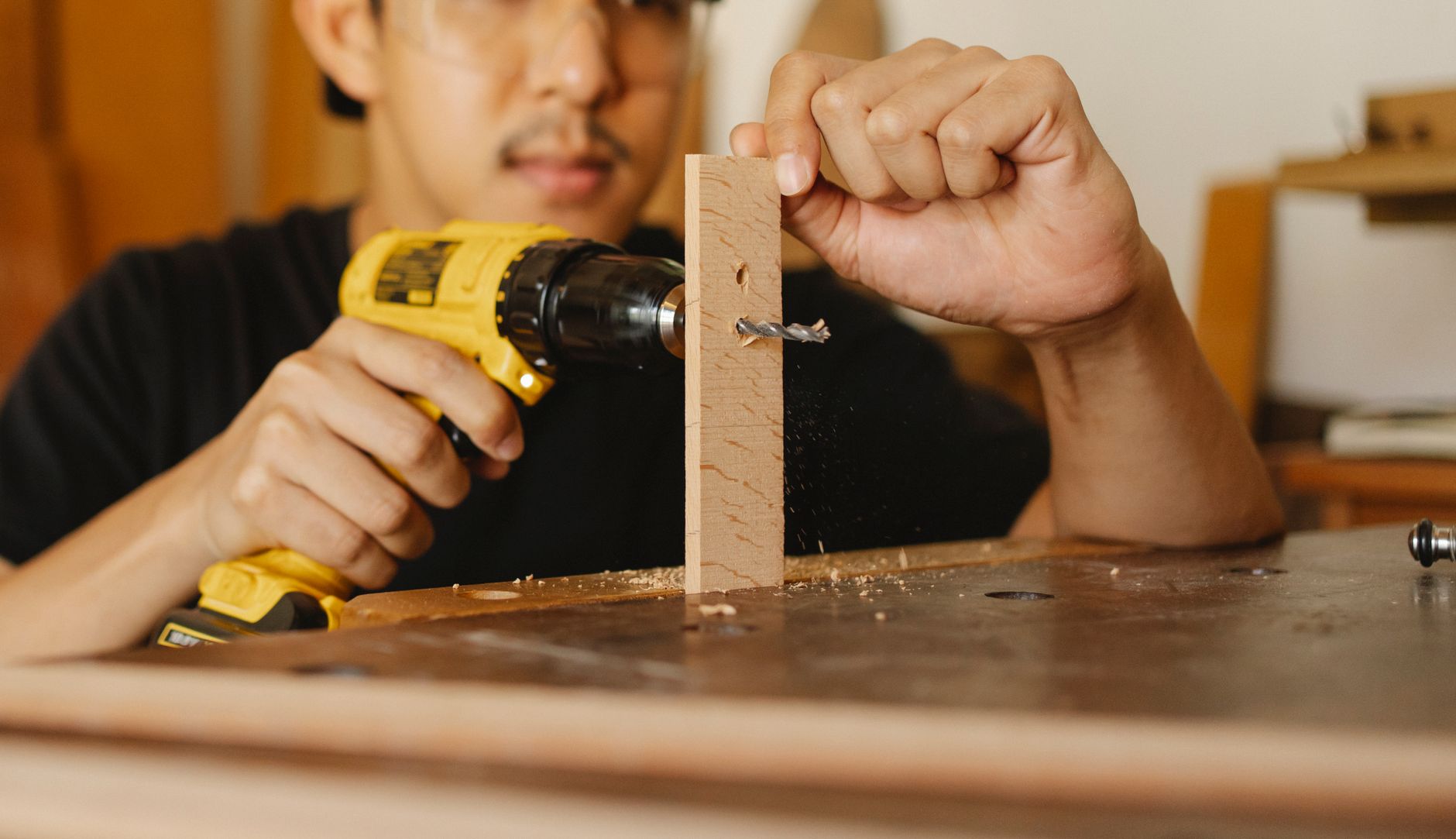
The most common reason for a crooked hole is a bit that skips or slides across the surface before it bites into the material. This happens when the tip of the bit is not held firmly in place at the exact spot you want to drill. A smooth, hard surface like tile or metal makes this worse, as the bit has nothing to grip initially.
Another factor is the speed and pressure you apply. Pushing too hard can cause the bit to flex, especially with longer bits, while too little pressure can let the bit skate. The material itself also matters: drilling into a knot in wood or a void in drywall can deflect the bit sideways.
Starting the Hole Correctly
The most effective way to ensure a straight start is to create a small divot or pilot hole first. Use a center punch on metal, or a nail and hammer on wood, to make a tiny indentation where the bit will go. This gives the bit a physical seat to sit in, preventing it from sliding.
For wood, you can also use a brad-point bit, which has a sharp center spur that digs in and guides the bit. If you are drilling into tile or glass, start with a carbide-tipped bit at a low speed and use masking tape to give the bit a non-slip surface.
Using a Drill Guide or Jig
A drill guide is a simple tool that holds the drill in a fixed vertical alignment. It can be a standalone device with a base that sits on the work surface, or an attachment that clamps onto your drill. For repeatable straight holes, a drill press is the gold standard, but a portable guide works well for larger pieces you cannot bring to a press.
You can also make a simple jig from a scrap block of wood. Drill a hole through the block at a 90-degree angle, then clamp or hold the block on your workpiece. Insert the bit through the block’s hole to keep it perpendicular as you drill. This method costs almost nothing and is surprisingly effective.
Maintaining Proper Alignment While Drilling
Even with a perfect start, you can still drift if you do not keep the drill aligned throughout the cut. Hold the drill so that you can see both the bit and the surface from two angles, not just straight on. Use a square or a level placed against the drill body to check your vertical angle periodically.
Use both hands on the drill if possible, and brace your body or the drill against a stable surface. For deep holes, pull the bit out occasionally to clear debris, as packed chips can force the bit sideways. Let the drill do the work; excessive force is rarely helpful.
How to Fix a Crooked Hole
- If the hole is already started crooked, stop immediately. Back the bit out and start a new hole from the correct angle, or use a larger bit to ream the hole straight if the material allows.
- For small errors in wood, fill the hole with a wooden dowel and glue, then re-drill in the correct spot.
- If the bit is bending due to length, switch to a shorter bit or use a bit extension with a guide.
If you are working on a car or metal project where precision is critical, a crooked hole can cause alignment issues.
Frequently Asked Questions
Can you drill a straight hole without a guide?
Yes, but it requires careful technique. Use a center punch or nail to create a starting divot, keep the drill perpendicular by checking from two angles, and apply steady, moderate pressure. Practice on scrap material first to build muscle memory.
What is the best drill bit for drilling straight holes in wood?
Brad-point bits are ideal for wood because their sharp center point prevents wandering. Forstner bits also work well for larger diameter holes, as they cut a flat-bottomed hole with a clean edge and resist deflection.
Why does my drill bit keep breaking when I try to drill straight?
Breaking bits usually means you are applying too much sideways pressure, or the bit is dull. Ensure the bit is sharp and designed for the material you are drilling. Also, check that you are not forcing the drill; let the bit cut at its own speed.
How do I drill a straight hole through thick metal?
Start with a center punch to mark the spot. Use a sharp cobalt or titanium bit, apply cutting oil, and drill at a slow speed with firm, even pressure. Clear chips frequently to prevent binding. A drill press or magnetic drill guide is highly recommended for thick metal.
Related Guides
Final Thoughts
Drilling a straight hole comes down to preparation and control: start with a divot, use a guide if needed, and keep the drill aligned throughout the cut.