

You wake up, apply your favorite serum, and notice it just sits on your skin instead of absorbing. Or maybe you spend extra time blending foundation, only to see it settle into fine lines. These frustrations often trace back to one thing: a buildup of dead skin cells and peach fuzz that dulls your complexion. Enter dermaplaning, a gentle exfoliation technique that removes that top layer and leaves your face smooth, glowing, and ready for makeup. In this guide, we review the best dermaplaning tool options for 2026, from budget-friendly manual razors to advanced electric systems, so you can find the perfect match for your skincare needs. Whether you are new to dermaplaning or looking to upgrade, we have you covered. For more ways to enhance your skincare routine, check out our picks for the best facial steamers to complement your regimen.





Buying Guide: What to Look for in a Dermaplaning Tool
Manual vs. Electric: Which Suits Your Routine?
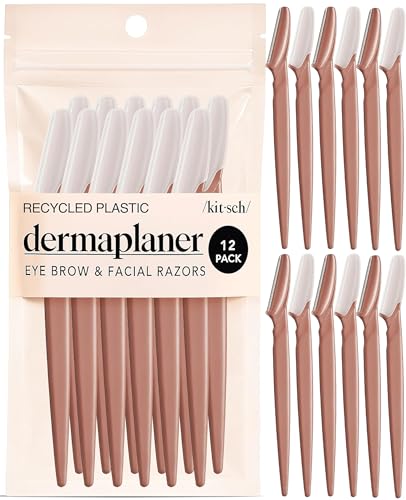
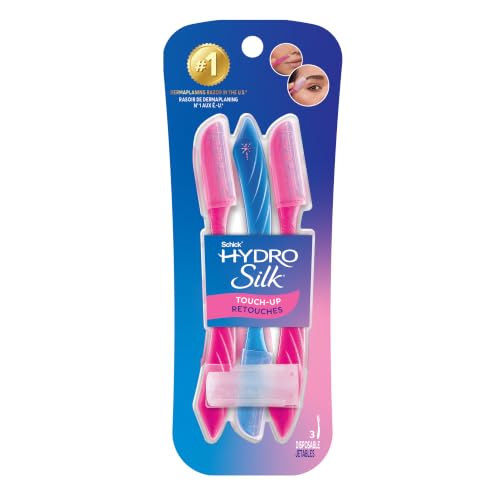
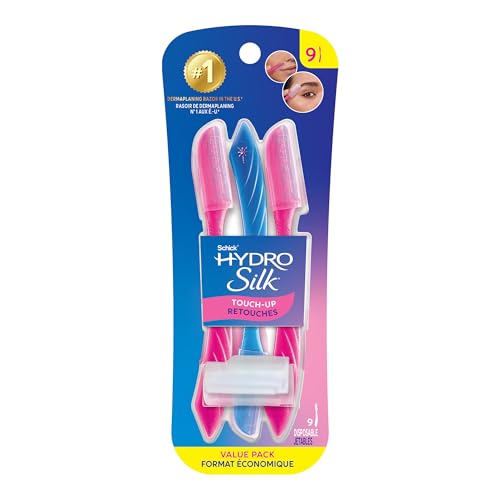
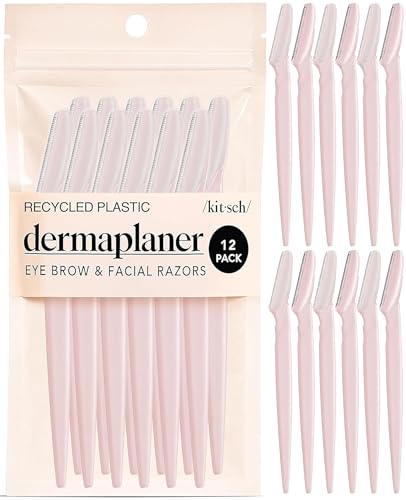
Manual dermaplaning razors, like those from Kitsch and Schick, are affordable, portable, and easy to use. They rely on your hand movements and are ideal for quick touch-ups or travel. Electric dermaplaning tools, such as the Michael Todd Beauty Sonicsmooth Pro+, offer sonic vibrations and multiple speeds for a more consistent exfoliation. If you prefer a hands-off approach or have sensitive skin, an electric device may provide better control and comfort. For deeper pore care, consider pairing your tool with a pore cleansing device for comprehensive results.
Blade Quality and Replacement Frequency
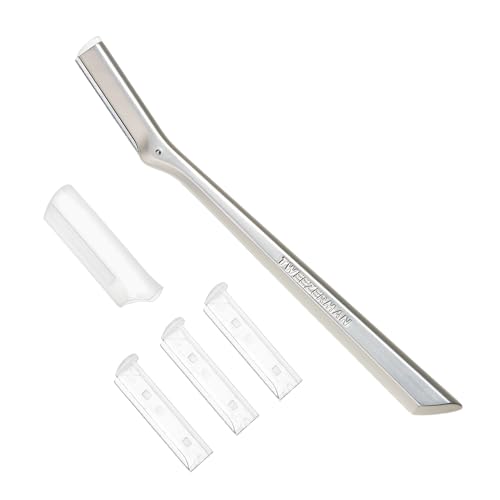
The blade is the heart of any dermaplaning tool. Look for stainless steel blades that are sharp, durable, and hypoallergenic. Manual razors often come in multi-packs, so you can swap blades every few weeks. Electric systems typically include replacement blades that last several weeks. The Tweezerman Facial Razor, for example, comes with three replacement blades and is easy to clean. Regular blade changes prevent irritation and ensure a smooth glide. For more on maintaining clear skin, explore our guide on the best blackhead remover for targeted care.
Customization and Speed Settings
Not all skin is the same, so having adjustable speed settings can make a big difference. Electric tools like the SPA SCIENCES SIMA offer three speeds, allowing you to start low and increase as needed. This is especially helpful for sensitive areas like the upper lip or around the eyes. Manual razors lack this feature, but their simplicity can be a plus for beginners. If you are looking for a complete skincare setup, a face cleansing device can complement your dermaplaning routine for a deeper clean.
Additional Features: LED Lights and Travel-Friendly Design
Some electric dermaplaning tools include built-in LED lights to illuminate the skin, helping you see fine hairs and avoid missed spots. This is a handy feature for precision work. Also, consider the tool’s portability. Many manual razors are compact and TSA-friendly, while some electric models are rechargeable via USB and hold a charge for weeks. The VIKICON PRO Sonic Dermaplaning Tool, for instance, offers up to 30 days of use on a single charge. For a holistic approach to skin health, check out our recommendations for microdermabrasion machines for more intensive exfoliation.
Final Thoughts
Choosing the best dermaplaning tool ultimately depends on your preferences and skin type. For a budget-friendly, travel-ready option that delivers consistent results, the Kitsch Dermaplane Razor for Women Face offers a pack of 12 razors with gentle exfoliation and a sustainable design. If you are ready to invest in a more advanced system, the Michael Todd Beauty Sonicsmooth Pro+ Dermaplaning provides customizable speeds and a three-year warranty, making it a standout choice for those seeking professional-grade results at home. Whichever you pick, incorporating dermaplaning into your weekly routine can transform your skin’s texture and glow.
Frequently Asked Questions
Is dermaplaning safe for all skin types?
Dermaplaning is generally safe for most skin types, including sensitive skin, as long as you use a clean, sharp blade and gentle pressure. Avoid it if you have active acne, rosacea, or open wounds. Always do a patch check first if you are unsure.
How often should I dermaplane my face?
Most experts recommend dermaplaning every 2 to 4 weeks, depending on your hair growth and skin sensitivity. Overdoing it can cause irritation, so listen to your skin. In 2026, many users find a monthly routine works best for maintaining smoothness.
Can dermaplaning cause hair to grow back thicker?
No, dermaplaning does not change hair thickness or growth rate. The hair you remove is vellus hair (peach fuzz), which grows back with the same texture. This is a common myth that has been debunked by dermatologists.
What should I do after dermaplaning?
After dermaplaning, apply a soothing moisturizer or serum to hydrate and protect the fresh skin. Avoid direct sun exposure, exfoliating acids, and heavy makeup for at least 24 hours. Your skin will be more receptive to products, so this is a great time to use your favorite treatments.


