You are following a new recipe, carefully measuring flour and sugar, but your favorite cake still comes out dense and dry. The culprit is often not your baking skills but an inaccurate kitchen scale. When a recipe calls for precise amounts, especially in baking or coffee brewing, guessing can lead to disappointing results. A reliable scale removes all doubt, ensuring your ingredients are perfectly proportioned every time. For those who value consistency, a high-quality scale is not just a tool but a partner in the kitchen.
Many home cooks are moving away from volume measurements toward weight-based recipes because it is more accurate. A digital scale helps with portion control, meal prep, and tracking nutritional intake. With so many models available, finding the right one can feel overwhelming. We have evaluated the top contenders to help you find the best precision kitchen scale for your needs. If you are also into grilling, you might want to check out the best digital meat thermometer to elevate your cooking game.



Key Buying Criteria for a Precision Kitchen Scale
When searching for the best precision kitchen scale, you should focus on several critical factors. These criteria will guide you toward a model that fits your cooking style and daily routine. Consider what matters most to you: accuracy, capacity, or ease of cleaning.
Accuracy and Increments
The primary purpose of a kitchen scale is to provide precise measurements. Look for a scale that offers 1-gram or 0.1-ounce increments for the most accurate results. This level of detail is essential for baking, where a few grams can alter the texture of your bread or pastry.
Scales with high-precision sensors, like the Nicewell Food Scale, deliver consistent readings. The Nicewell Food Scale 22lb Digital Kitchen Scale boasts four sensors to ensure accuracy across its entire range. This feature is particularly useful when you are weighing small quantities of yeast or spices.
Capacity and Platform Size
Consider the maximum weight the scale can handle. Most standard kitchen scales support up to 11 pounds, which is sufficient for everyday cooking. However, if you often weigh large cuts of meat or mix dough in a heavy bowl, a higher capacity like the 22-pound Nicewell model might be more suitable.
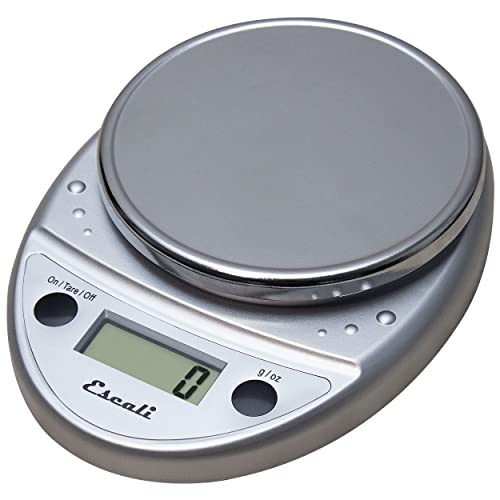
Platform size also matters. A larger platform provides stability for bulky items, while a compact design saves valuable counter space. The Escali Primo Digital Food Scale Multi-Functional offers a moderate platform that balances size and storage, making it a versatile choice for most kitchens.
Ease of Cleaning and Maintenance
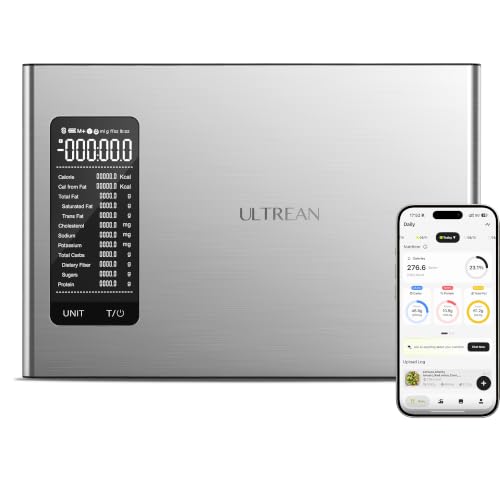
Kitchen scales are prone to spills and crumbs, so a model that is easy to clean is a smart investment. Stainless steel surfaces, like those found on the Ultrean Food Scale, are durable and resist fingerprints. The Amazon Basics Digital Kitchen Scale with LCD features a food-safe, BPA-free plastic top that can be wiped down quickly.
Some scales come with a removable platform or a sealed control panel to prevent damage from moisture. The Etekcity Food Kitchen Scale has a sleek 304 food-grade stainless steel surface that is easy to maintain. Regular cleaning ensures your scale remains hygienic for daily use.
Final Thoughts
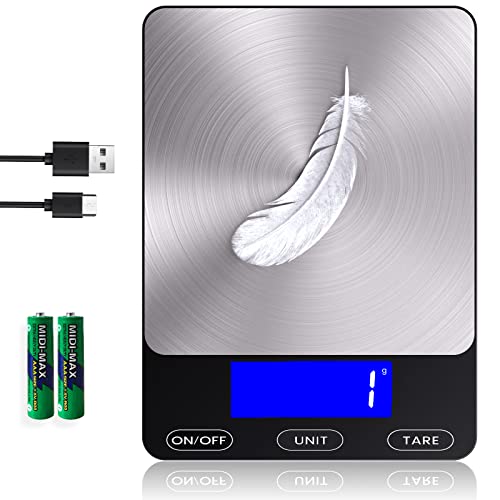
Investing in a quality precision kitchen scale is a small step that yields big rewards in your culinary adventures. Whether you are portioning ingredients for a complex recipe or simply tracking your daily intake, the right scale brings accuracy and confidence to your kitchen. For those who need a budget-friendly option without sacrificing performance, the Ultrean Food Scale, Digital Kitchen Scale with LCD is an excellent starter choice. If you prefer a more robust design with a larger capacity, the Nicewell Food Scale 22lb Digital Kitchen Scale offers professional-level precision that will not let you down.
Frequently Asked Questions
How do I know if a kitchen scale is accurate?
Check if the scale has a calibration mode or a known weight feature. Many digital scales come with a tare function that helps you zero out containers. You can also use a standard weight, like a coin, to verify the scale’s readings. Look for models with high-precision sensors for more reliable results.
What is the difference between a food scale and a kitchen scale?
There is no difference; the terms are interchangeable. Both refer to a digital or mechanical device used to weigh ingredients. The key is to choose one that suits your cooking needs, whether it is for baking, portion control, or meal prep.
Can I use a kitchen scale for weighing non-food items?
Yes, you can use a kitchen scale for small non-food items like letters or packages, as long as they are within the scale’s weight capacity. However, for heavier items like luggage, you might need a dedicated postal scale. Always check the maximum limit to avoid damaging the device.
How do I clean my digital kitchen scale?
Most scales can be wiped with a damp cloth and mild soap. Avoid submerging the scale in water or using abrasive cleaners. For scales with a removable platform, you can wash the platform separately. Always dry the scale thoroughly after cleaning to prevent damage. For more tips on kitchen tools, you can visit our kitchen category.