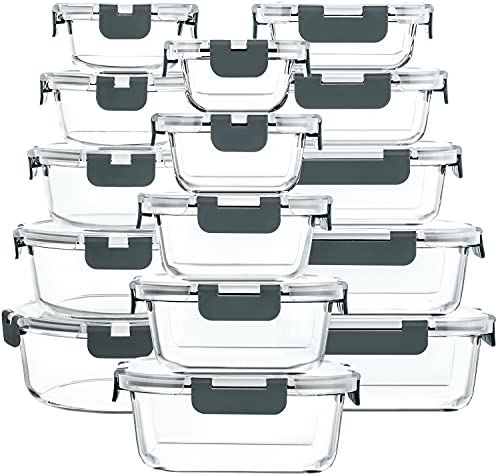
You open your fridge and see a jumble of plastic containers, some stained from last week’s spaghetti sauce, others warped from the microwave. You wonder: are these leaching chemicals into your food? If you’re trying to reduce your exposure to BPA, phthalates, and other synthetic compounds, switching to non toxic food storage containers is a smart move. In this guide, we evaluate the best non toxic food storage containers of 2026, focusing on materials like borosilicate glass and BPA-free Tritan plastic. Whether you meal prep for the week or simply want safer leftovers, we’ve got you covered. For more kitchen essentials, check out our roundup of the best cooling racks for baking and roasting.


Buying Guide: What to Look for in Non Toxic Food Storage Containers
Choosing the right container goes beyond just picking glass over plastic. Here are the key factors we considered when evaluating these sets.
Material Safety: Glass vs. BPA-Free Plastic
The safest materials for food storage are borosilicate glass and high-quality BPA-free plastics. Borosilicate glass is resistant to thermal shock, meaning it can go from freezer to oven without cracking. BPA-free Tritan plastic offers shatter resistance and clarity without the estrogen-mimicking risks of traditional plastics. All four products in our list meet rigorous safety standards.
Leak-Proof and Airtight Seals
A good seal keeps your food fresh and prevents messy spills in your bag or fridge. Look for containers with silicone gaskets and snap-lock lids. The Rubbermaid Brilliance sets are certified leak-proof, while the Magic Mill and M MCIRCO sets use similar locking mechanisms. For more on kitchen tools that make cleanup easier, see our review of the best silicone baking molds.
Versatility: Oven, Microwave, and Freezer Safe
Non toxic containers should work across multiple cooking and storage environments. Glass bases that are oven-safe up to 450°F (or higher) allow you to bake and reheat in the same dish. All our picks are microwave-safe (with lids vented or removed) and freezer-safe. This versatility reduces the number of dishes you need and simplifies meal prep.
Set Size and Storage Efficiency
Consider how many containers you actually need. A 44-piece set like the Rubbermaid Brilliance BPA Free is ideal for large families, while a 24-piece glass set from Magic Mill offers a balanced mix of sizes. Stackable designs save cabinet space. If you’re also upgrading your bakeware, check out our guide to the best nonstick baking sheets.
Final Thoughts
After evaluating dozens of options, we recommend the Rubbermaid Brilliance BPA Free 44-Piece Food for those who want a lightweight, shatterproof set with proven leak-proof performance, and the Magic Mill Premium Borosilicate Glass Food Storage for anyone who prefers glass that can go from oven to table without worry. Both are excellent choices for a non toxic kitchen, and whichever you choose, you’ll be reducing your exposure to harmful chemicals while keeping your food fresh.
Frequently Asked Questions
Are glass food storage containers safer than plastic?
Yes, glass is generally considered safer because it does not leach chemicals even when heated. Borosilicate glass, like that used in Magic Mill and M MCIRCO sets, is especially durable and non reactive. However, BPA-free Tritan plastic (used in Rubbermaid Brilliance) is also a safe alternative when you need shatterproof convenience.
Can I put glass containers in the oven?
Only if the manufacturer states they are oven-safe. The Rubbermaid Brilliance Glass set is oven-safe up to 450°F, and the Magic Mill borosilicate glass can handle up to 752°F (lids removed). Always check the product specifications before placing any container in a hot oven.
What does BPA-free mean?
BPA (bisphenol A) is a chemical used in some plastics that can mimic estrogen and disrupt hormones. BPA-free products are made without this compound. All the containers in this guide are BPA-free, but for maximum safety, choose glass or Tritan plastic, which are free from BPA and other bisphenols.
How do I clean and maintain non toxic containers?
Most glass and plastic containers are dishwasher safe (place lids on the top rack). To remove stains or odors from plastic, soak in a baking soda solution. Avoid using abrasive scrubbers on glass to prevent scratches. For more kitchen tips, visit our Kitchen category page.