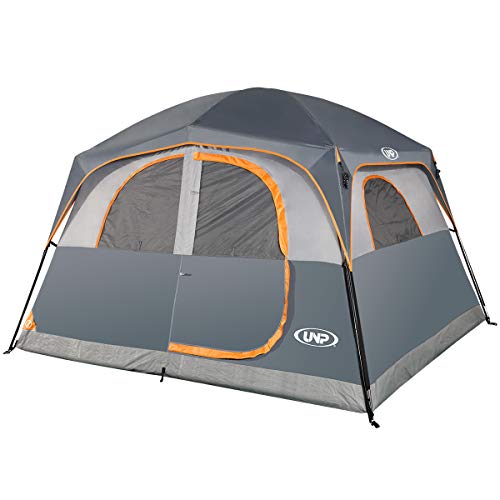
To waterproof a tent, you need to address three key areas: the tent floor, the rainfly, and the seam seals. The most effective method is to clean the tent thoroughly, then apply a seam sealer to all stitched seams, and finally treat the fabric with a waterproofing spray or wash-in solution. This process restores the tent’s ability to repel water, ensuring you stay dry even in heavy rain. Understanding how to waterproof a tent is essential for any camper who wants to extend their gear’s life and comfort.
Why Tents Lose Their Waterproofing
Over time, the factory-applied waterproof coating on your tent degrades. UV exposure from sunlight, dirt and oils from your hands, and repeated folding and packing all wear down the coating. The tent’s seams, which are stitched with tiny holes, also become vulnerable as the original sealant dries out and cracks.
This natural wear is inevitable, but you can speed up the process by storing a tent while it is damp, which promotes mold and mildew growth. Mildew eats away at the fabric’s waterproof layer, creating permanent weak spots. Regular cleaning and proper storage slow this degradation significantly.
Step 1: Clean Your Tent Thoroughly
Before you apply any waterproofing treatment, your tent must be clean. Dirt, dust, and old soap residue block the new waterproofing from bonding to the fabric. Set up your tent in a shaded area or on a clean tarp, and gently scrub it with a soft sponge and a mild, non-detergent soap like Nikwax Tech Wash or a simple mixture of water and a few drops of dish soap.
Rinse the tent thoroughly with a garden hose, making sure no soap remains. Let it air dry completely, which can take a full day depending on humidity. A wet tent will not absorb waterproofing treatments evenly, so patience here pays off.
Step 2: Seal All Seams
Seams are the most common entry point for water in a tent. The needle holes from stitching create tiny channels that capillary action can pull water through. To seal them, use a liquid seam sealer designed for tent fabric, such as Gear Aid Seam Grip or a silicone-based sealer for silicone-coated fabrics.
Apply the sealer to the inside of the seams, working it into the stitching with a small brush or your finger. Focus on the floor seams, the rainfly seams, and any stress points where fabric meets poles. Allow the sealer to cure for at least 12 to 24 hours before folding or using the tent.
Step 3: Reapply a Durable Water Repellent (DWR) Coating
The outer fabric of your tent, especially the rainfly, relies on a Durable Water Repellent (DWR) finish to make water bead up and roll off. When this coating wears out, the fabric soaks through and becomes heavy, losing its breathability. You can restore it with a spray-on or wash-in waterproofing product.
Spray-on treatments are easier to target specific areas like the rainfly and floor. Hold the can 6 to 8 inches from the fabric and apply an even coat, then let it dry. Wash-in treatments go into a washing machine and treat the entire tent at once, but they may not be suitable for tents with taped seams or delicate coatings. Always check your tent’s care label first.
Step 4: Waterproof the Tent Floor Separately
The tent floor takes the most abuse from ground moisture and sharp objects. If your floor is made of a heavy-duty material like polyethylene, you can apply a dedicated floor sealant or use a polyurethane-based coating. For lighter nylon or polyester floors, a spray-on waterproofing works well.
Pay extra attention to the corners and edges where the floor meets the walls. These areas often have additional seams that are prone to leaking. If you notice puddles forming inside after rain, the floor is likely the culprit.
Step 5: Test and Maintain Your Tent
After you have applied all treatments, set up your tent and spray it with a garden hose to simulate rain. Check for any leaks inside, especially around seams and zippers. If you find wet spots, let the tent dry and reapply the sealer or waterproofing to those areas.
Regular maintenance extends the life of your waterproofing. Store your tent loosely in a cool, dry place, and avoid leaving it packed away damp. Clean it after every trip and reapply DWR once a year or whenever water stops beading on the surface.
How to Fix a Leaking Tent Quickly
- If you see water coming through the seams, apply a fresh layer of seam sealer to the inside of those seams.
- If the rainfly fabric is wetting out and not beading, clean it and reapply a spray-on DWR treatment.
- If the floor has pinhole leaks, patch them with a tent repair tape or apply a floor-specific waterproofing coating.
- If you notice mildew or mold, clean the area with a mild bleach solution (1 part bleach to 10 parts water) before waterproofing.
If your tent is still leaking after these steps, the fabric may be too degraded to save. In that case, it might be time to look for a new tent.
Frequently Asked Questions
Can I use Scotchgard on my tent?
Scotchgard is not recommended for tents because it can damage the breathable coatings and leave a sticky residue. Stick to products specifically designed for tent fabric, such as Nikwax Tent & Gear SolarProof or Gear Aid Revivex.
How often should I waterproof my tent?
Waterproof your tent once a year or whenever you notice water no longer beads up on the fabric. If you camp frequently in wet conditions, you may need to reapply the DWR coating every six months.
Can I waterproof a tent from the inside?
You can apply seam sealer to the inside of the seams, but you should not apply a full waterproofing coating to the interior fabric. That would trap condensation inside the tent, making it damp and uncomfortable. Focus on the rainfly and floor from the outside.
Does washing a tent ruin its waterproofing?
Washing a tent with a harsh detergent can strip the DWR coating. Use a gentle, non-detergent soap like Nikwax Tech Wash, and avoid machine washing unless your tent’s care label allows it. Hand washing is always safer.
Can I use a tarp instead of waterproofing?
A tarp can provide extra protection under your tent or as a rainfly, but it does not replace proper waterproofing. A tarp alone will not seal the seams or treat the fabric, so your tent will still leak in heavy rain without a treated rainfly.
Related Guides
- Why Is My Tent Wet Inside?
- Tent Leaking In Rain
- Cool Off Anywhere
- Top Privacy Tents for Camping in 2026
Closing
Waterproofing your tent is a straightforward process that involves cleaning, sealing seams, and reapplying a DWR coating. By following these steps, you can keep your tent dry and extend its life.