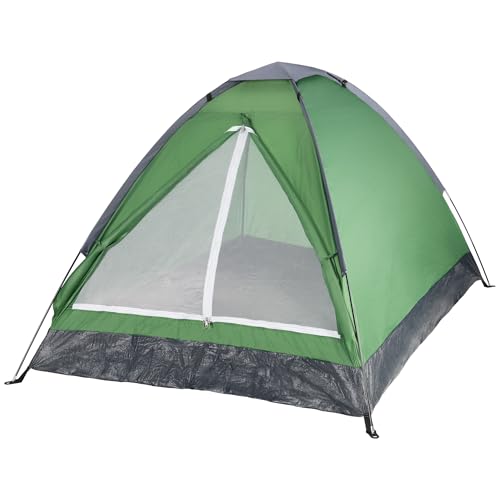
If your tent is leaking in rain, the most common cause is a loss of waterproof coating on the rainfly or floor, followed by seam tape failure, condensation mistaken for a leak, or improper setup. Even a small gap in a zipper or a worn pole sleeve can let water in. Understanding the real source of the moisture is the first step to stopping it for good.
Worn or Degraded Waterproof Coating on the Rainfly
The polyurethane (PU) coating on most rainflies breaks down over time, especially if the tent was stored damp or in direct sunlight. Once the coating flakes or becomes sticky, the fabric no longer repels water. Instead, it absorbs moisture, which then seeps through to the inside.
You can check for this by looking at the underside of the rainfly in good light. Flaking, peeling, or a tacky feel means the coating has failed. This is one of the most frequent reasons for a tent leaking in rain, particularly on tents older than a few years.
Failed Seam Tape on the Rainfly or Floor
Seam tape is applied at the factory to seal the needle holes where the fabric panels are stitched together. Over time, heat, humidity, and folding can cause the tape to peel away from the fabric. When that happens, every stitch hole becomes a tiny entry point for water.
Inspect the inside of the rainfly and the floor along all seams. If you see tape lifting or bubbling, water will find its way through during a steady rain. This is a common issue on tents that have been packed away for months without being aired out.
Condensation Inside the Tent Mistaken for a Leak
Not all moisture inside a tent comes from outside. When warm, moist air from your breath and body hits the cooler tent wall, it condenses into water droplets. This often forms on the ceiling or walls and can drip onto you or your gear, feeling exactly like a leak.
The key difference is timing. Condensation usually appears in the morning or after several hours of occupancy, while a true leak starts as soon as rain hits the tent. Improving ventilation by opening vents or the rainfly gap reduces condensation significantly.
Improper Setup or Poor Site Selection
Setting up your tent in a low spot or on a slope can direct rainwater under the floor or against the walls. Even a well-sealed tent will leak if water pools around the base. Similarly, not staking the rainfly taut can let it sag and touch the inner tent, creating a direct path for water to transfer through the fabric.
Always pitch your tent on high, level ground and ensure the rainfly is fully extended and tensioned. A properly set up rainfly should have a gap of several inches between it and the inner tent at all points.
Worn or Damaged Zippers
Zippers are a common weak point on any tent. Over time, the teeth can warp, the slider can loosen, or the fabric around the zipper can stretch. Once the seal is broken, wind-driven rain can push through even a small gap.
Check the zipper track for any visible gaps when closed. If you see light through the closed zipper, water will get through in a heavy rain. Lubricating the zipper with a silicone-based zipper lube can help the slider close tighter, but a damaged zipper may need professional repair or replacement.
Pinholes or Abrasions in the Tent Fabric
Small punctures from sharp rocks, branches, or even a stray spark from a campfire can create tiny holes that are hard to spot. In a light drizzle, they may not cause a problem, but in a sustained downpour, water can be forced through these openings.
To find pinholes, set up the tent in a dark room and shine a bright flashlight from the outside while you look for pinpoints of light on the inside. Mark each hole with tape and patch it with a dedicated tent repair patch or seam sealer.
How to Fix a Tent That Leaks in Rain
- Reapply a waterproof coating to the rainfly using a spray-on or roll-on tent sealer designed for PU-coated fabrics.
- Reseal all factory seams with a seam sealer specifically for the fabric type (silicone or PU).
- Improve ventilation by opening vents, unzipping the rainfly gap, or using a smaller tent to reduce internal humidity.
- Repitch the tent on higher, level ground and make sure the rainfly is taut and not touching the inner tent.
- Lubricate or replace worn zippers and patch any pinholes or tears with a fabric repair kit.
While that article focuses on battery issues, the same principle of regular upkeep applies to keeping your tent dry.
Frequently Asked Questions
Can I use a tarp over my tent to stop leaks?
Yes, a tarp pitched above the tent as a fly can provide extra protection, especially if the rainfly is compromised. Make sure the tarp is angled so water runs off away from the tent and does not collect on top. Do not let the tarp touch the tent fabric, or it will transfer moisture directly.
How often should I re-waterproof my tent?
Most manufacturers recommend re-waterproofing every two to three years, or sooner if you camp frequently. If you notice water beading less on the rainfly or see the coating flaking, it is time to treat it. Always clean the tent thoroughly before applying any waterproofing product.
Does tent seam sealer expire?
Yes, seam sealer has a shelf life, usually about one to two years from the date of manufacture. Once opened, it can thicken or dry out. Always check the expiration date on the bottle before use, and store it in a cool, dry place to extend its life.
What is the best way to dry a tent after a rainy trip?
Set the tent up in a shaded, well-ventilated area or hang it over a clothesline. Never store a tent wet, as moisture trapped inside will degrade the coating and promote mold growth. Wipe down the poles and stakes separately before packing everything away.
Related Guides
- Why Is My Tent Wet Inside?
- How to Waterproof a Tent
- Best Backpacking Tent Under $200
- Best Backpacking Tents for Budget-Conscious Hikers in
Keep Your Tent Dry on Your Next Trip
Most cases of a tent leaking in rain come down to one of a few fixable issues: worn coating, failed seam tape, condensation, or setup errors. By identifying the real cause and addressing it with the right repair, you can keep your tent dry and comfortable.