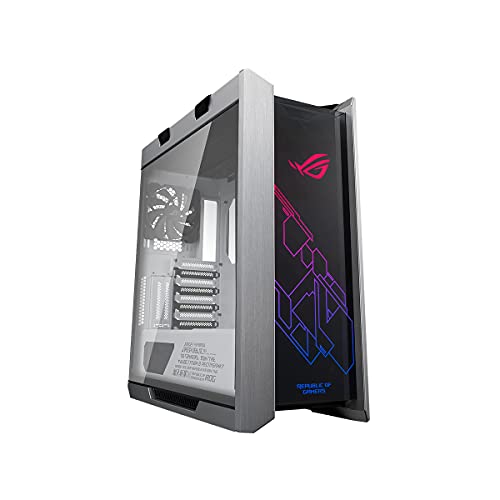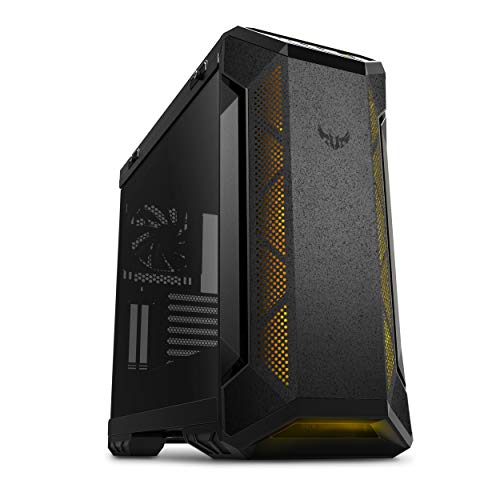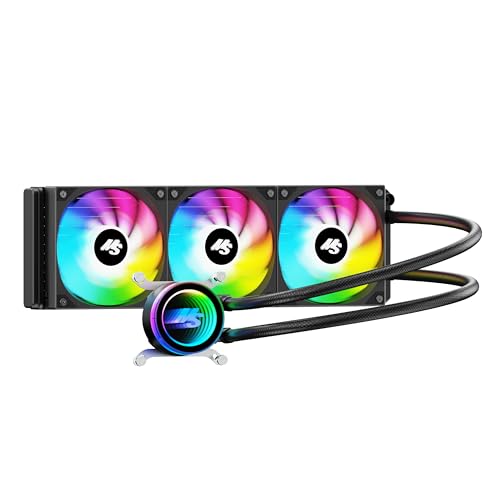
When you’re deep in a gaming session, the last thing you want is your system overheating and throttling performance. High temperatures can cause stuttering, crashes, and even permanent damage to your components. That’s why choosing a case with excellent airflow is crucial. In this guide, we’ve evaluated the best gaming pc cases for airflow, focusing on designs that prioritize cool air intake and hot air exhaust. Whether you’re a first-time builder or a seasoned enthusiast, this guide will help you find the perfect balance of cooling, aesthetics, and functionality for your setup.
We’ve analyzed a range of mid-tower cases, from budget-friendly options to premium models, all known for their superior thermal performance. Our choices are based on fan configurations, mesh panel designs, and overall build quality. If you’re also curious about cases that excel with liquid cooling, check out our best PC cases for 360mm radiator guide. But for now, let’s dive into the top airflow champions that will keep your system running cool and quiet.



Buying Guide
Airflow Design and Fan Configuration
The primary factor in any airflow-focused case is its ability to move air efficiently. Look for cases with mesh front panels or perforated side panels that allow for unobstructed intake. The number and size of pre-installed fans are also critical. More fans, especially 140mm or 120mm models, can move more air at lower speeds, which means less noise. For example, the MUSETEX ATX PC Case comes with seven PWM ARGB fans, ensuring excellent cooling right out of the box.
Consider the fan placement and whether the case supports additional fans or radiators. Cases like the CORSAIR 4000D RS offer a modular fan mounting system, allowing you to position fans exactly where you need them for optimal airflow. For more insights on maximizing cooling, you might find our top high airflow PC cases roundup helpful.
Radiator and Clearance Support
If you plan to use an AIO cooler or a custom loop, check the case’s radiator support. Most mid-tower cases support 240mm to 360mm radiators up top or in the front. Ensure there’s enough clearance for your GPU and CPU cooler. For instance, the Fractal Design North supports a 360mm front radiator and a GPU up to 355mm, giving you plenty of room for high-end hardware.
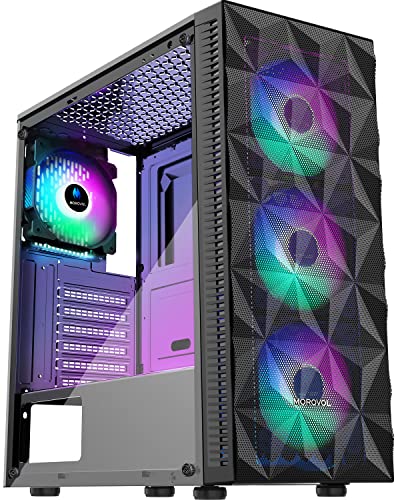
Also, verify the maximum CPU cooler height and PSU length. Cases like the MOROVOL PC Case offer a CPU cooler height of up to 155mm and a PSU length of 160mm, which is sufficient for most builds. If you need more specific guidance, our best PC cases for custom water cooling guide provides deeper insights.
Build Quality and Aesthetics
The build quality of a case affects both its longevity and its looks. Tempered glass side panels are popular for showcasing your components, but they can be heavy and prone to fingerprints. Some cases, like the CORSAIR 3500X, offer a panoramic view, giving you a full view of your build. The Fractal Design North adds a unique touch with its genuine walnut wood front, blending natural materials with a modern design.
Consider the overall aesthetic you’re going for. If you prefer a minimalist look, a case with a solid front panel and subtle RGB lighting might be ideal. On the other hand, if you want to show off your RGB fans, a case with a mesh front and tempered glass side will let your system shine. For more ideas, you can browse our best PC cases for cooling collection.
Connectivity and Cable Management
Modern cases come with a variety of front I/O ports. Look for cases with USB 3.0 and USB Type-C for fast data transfer. The MUSETEX K2, for example, includes a Type-C port and two USB 3.0 ports, making it easy to connect your peripherals. Good cable management is also essential for maintaining good airflow. Look for cases with rubber grommets, Velcro straps, and ample space behind the motherboard tray to route cables cleanly.
Proper cable management not only improves aesthetics but also enhances airflow by reducing clutter inside the case. Cases like the CORSAIR 4000D RS feature a modular interior that makes cable routing a breeze. If you’re new to PC building, you might find our blog helpful for tips and tricks.
Final Thoughts
Choosing the right airflow case is a balance of cooling, design, and features. For budget-conscious builders who want exceptional cooling out of the box, the MUSETEX ATX PC Case offers seven pre-installed fans and a mesh design that keeps things cool. On the premium side, the Fractal Design North pairs stunning walnut wood aesthetics with excellent airflow, making it a statement piece for any high-end build. Whichever you choose, you’ll enjoy a cooler, more stable system.
Frequently Asked Questions
What makes a PC case good for airflow?
A good airflow case typically has a mesh front panel or perforated side panels that allow air to flow freely. It also includes multiple fans (often 120mm or 140mm) and supports additional fan or radiator mounting. The design of the case, including the placement of vents and the number of fans, directly impacts how efficiently heat is expelled. For 2026, look for cases with at least three fans and a mesh front for optimal cooling.
How many fans do I need for good airflow?
For most gaming builds, three to four fans are sufficient to maintain good airflow. A typical setup includes two or three intake fans at the front and one or two exhaust fans at the rear and top. This creates positive air pressure, which helps reduce dust buildup. Cases like the MOROVOL PC Case come with four pre-installed fans, making it easy to achieve proper airflow without additional purchases.
Are mesh front panels better for airflow than glass?
Yes, mesh front panels are generally better for airflow than solid glass panels. The mesh allows air to pass through easily, whereas glass restricts airflow and can cause heat to build up. However, some cases, like the CORSAIR 3500X, offer a compromise with glass panels that have side vents. For maximum cooling, choose a case with a mesh front, but if aesthetics are a priority, look for a case that balances both. For more options, check our best high airflow PC cases guide.
What is the ideal case size for airflow?
The ideal case size for airflow depends on your components and space. Mid-tower cases are the most popular because they offer a good balance of size, expandability, and airflow. They can accommodate most GPUs and CPU coolers while fitting in a standard desk setup. Full-tower cases provide more room for radiators and multiple fans, but they are larger and heavier. For most users, a mid-tower with good airflow is more than sufficient.
For more tips on building a well-cooled PC, you can explore our best PC cases for 360mm AIO article, which covers cases optimized for liquid cooling.