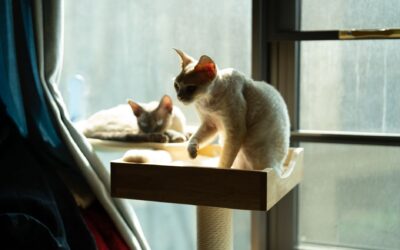
To clean a cat tree, start by vacuuming all surfaces to remove loose fur and debris, then spot clean any stains with a mild detergent and water solution, and finish by deodorizing with baking soda or a pet-safe spray. Regular cleaning prevents odors, reduces allergens, and extends the life of the tree. The frequency depends on how much your cat uses it and whether they have allergies or skin issues.
Why You Need to Clean Your Cat Tree Regularly
Cat trees accumulate dander, fur, and oils from your cat’s skin, which can lead to unpleasant odors and even attract pests like fleas. Over time, these residues can also trap bacteria and allergens, potentially affecting both your cat’s health and your own. Regular cleaning keeps the tree looking good and smelling fresh.
Beyond hygiene, a clean cat tree is more inviting for your cat. Cats are sensitive to smells, and a tree that smells strongly of other animals or accumulated grime may be avoided. This can lead to unwanted scratching on furniture instead.
What You’ll Need to Clean a Cat Tree
Before you start, gather the right tools and cleaners. You’ll need a vacuum with a brush attachment, a soft brush or lint roller, mild dish soap or a pet-safe upholstery cleaner, baking soda, a spray bottle, and clean cloths or sponges. Avoid harsh chemicals like bleach or ammonia, as they can irritate your cat’s respiratory system.
For the carpet or sisal rope parts, a stiff brush can help loosen embedded fur. For wooden or plastic components, a damp cloth with mild soap works well. Always test any cleaner on a small, hidden area first to ensure it doesn’t discolor the material.
Step-by-Step Guide to Cleaning a Cat Tree
Step 1: Vacuum Thoroughly
Start by removing all loose items like toys or blankets from the cat tree. Use the brush attachment on your vacuum to go over every surface, including platforms, perches, and the base. Pay extra attention to crevices where fur and debris collect.
For sisal rope posts, vacuum in the direction of the rope’s twist to avoid fraying. You may need to go over high-traffic areas multiple times to remove embedded hair.
Step 2: Spot Clean Stains
Mix a few drops of mild dish soap with warm water in a spray bottle. Lightly mist the stained area and blot with a clean cloth, working from the outside in to prevent spreading. Do not soak the fabric, as excess moisture can lead to mold or mildew growth inside the tree.
For stubborn stains like urine, use an enzymatic cleaner designed for pet messes. These break down proteins and eliminate odors at the source. Follow the product’s instructions for best results.
Step 3: Deodorize with Baking Soda
Sprinkle baking soda generously over all fabric and carpeted areas of the cat tree. Let it sit for at least 15 minutes, or longer for stronger odors. Then vacuum it up completely. Baking soda neutralizes odors without adding harsh chemicals.
You can also add a few drops of cat-safe essential oil, like lavender, to the baking soda before sprinkling for a light scent. Avoid oils that are toxic to cats, such as tea tree or eucalyptus.
Step 4: Clean Hard Surfaces
Wipe down any plastic, wood, or metal parts with a damp cloth and mild soap. Dry them immediately with a separate cloth to prevent water damage. For wooden bases, consider using a furniture polish safe for pets.
Step 5: Allow to Dry Completely
After cleaning, let the cat tree air dry completely before letting your cat use it again. Place it in a well-ventilated area or near a fan to speed up drying. This prevents mold growth and ensures no damp spots remain.
How Often Should You Clean a Cat Tree?
For a single cat, a thorough cleaning every two to four weeks is usually sufficient. If you have multiple cats, or if your cat has allergies or skin conditions, clean it weekly. Spot clean stains as soon as they happen to prevent them from setting.
Daily maintenance like vacuuming loose fur or using a lint roller can extend the time between deep cleans. This is especially helpful during shedding seasons.
Tips for Keeping Your Cat Tree Clean Longer
- Place a washable blanket or mat on favorite perches to catch fur and dander.
- Brush your cat regularly to reduce loose hair on the tree.
- Use a pet-safe fabric spray to repel stains and odors between cleanings.
- Rotate or move the tree periodically to distribute wear.
These simple habits can significantly reduce the buildup of grime and make cleaning easier. For more tips on maintaining your cat’s health and environment, check out our guide on household health.
Related Guides
Frequently Asked Questions
Can I wash cat tree covers in a washing machine?
If the covers are removable and machine-washable, use cold water on a gentle cycle and air dry them. Check the manufacturer’s instructions first, as heat from a dryer can shrink or damage the fabric.
How do I remove cat urine smell from a cat tree?
Enzymatic cleaners are the most effective for cat urine. Apply the cleaner to the affected area, let it sit for the recommended time, then blot dry. Avoid steam cleaning, as heat can set the odor.
Is it safe to use vinegar to clean a cat tree?
Vinegar can be used in a diluted solution (one part vinegar to three parts water) for cleaning, but some cats dislike the smell. Rinse thoroughly after cleaning to avoid lingering odor.
Can I use a steam cleaner on a cat tree?
Steam cleaning is not recommended for most cat trees because the moisture can damage the internal structure and promote mold. Stick to dry cleaning methods or spot cleaning with minimal moisture.
Regular cleaning keeps your cat tree fresh and your pet happy. For more advice on pet care and household maintenance, explore our blog for related tips.