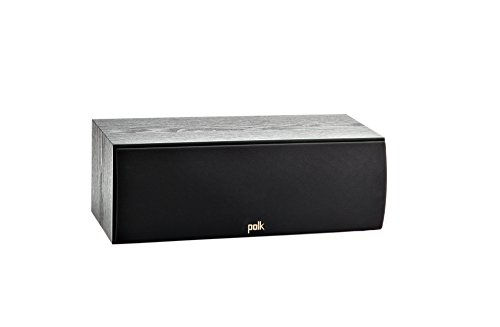
You have finally decided to upgrade your home audio setup, but the sheer number of floorstanding speakers can be overwhelming. Whether you crave thunderous movie soundtracks or nuanced stereo imaging, the right pair transforms your space. This guide focuses on four standout models from Klipsch and Polk Audio, verified for performance and build quality. We help you choose based on room size, listening habits, and desired features.
Floorstanding speakers anchor your system with authority. They deliver full-range sound without needing separate subwoofers, making them ideal for both stereo music and multi-channel home theater. If you are exploring other speaker types, check our recommendations for best bookshelf speakers for vinyl for a different form factor.

Buying Guide for Floorstanding Speakers
Driver Configuration and Bass Performance
The size and number of woofers directly affect low-end extension and impact. Larger drivers, like dual 8-inch units, move more air for deep, punchy bass. Passive radiators can also augment output without port noise. Consider your room’s size: larger rooms benefit from bigger drivers or multiple woofers.
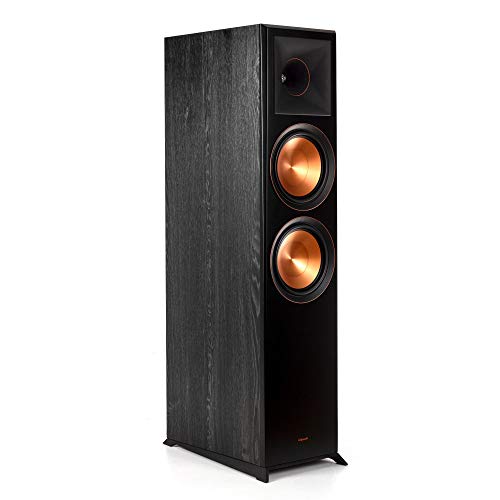
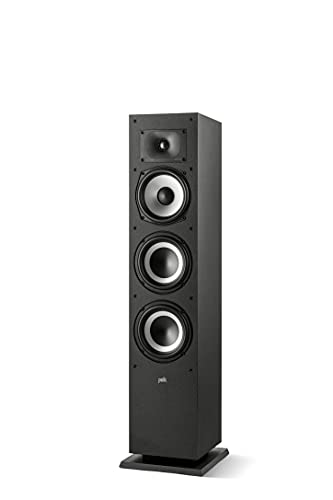
For a balanced approach, the Klipsch RP-8000F uses dual 8-inch copper-spun woofers for authoritative bass. If space is limited, a model with smaller drivers like the Polk Audio Monitor XT60 with its 6.5-inch woofer and dual passive radiators still delivers satisfying low end.
Horn Tweeter Design and Dispersion
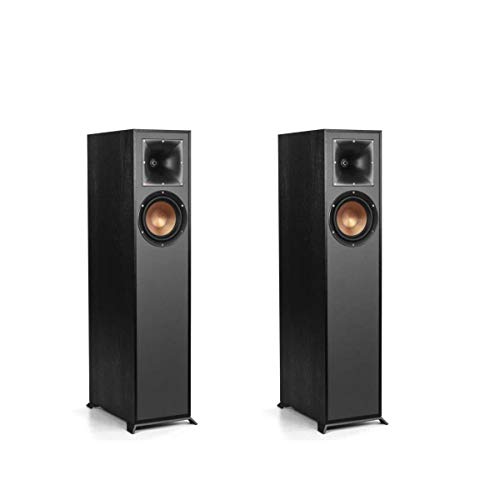
Horn-loaded tweeters improve efficiency and directivity, projecting sound evenly across the listening area. Klipsch’s Tractrix horns minimize reflections and enhance clarity. This technology is especially beneficial for dialogue in movies and detail in music. The Klipsch Reference R-26FA incorporates a 90×90 Tractrix horn for crisp highs.
If you prioritize a wide sweet spot, look for a controlled dispersion pattern. Polk’s dynamic balance design also aims for smooth off-axis response. For more on speaker technology, see our audiophile bookshelf speaker guide.
Height and Dolby Atmos Integration
Some floorstanding speakers include upward-firing drivers for Dolby Atmos height effects, creating a three-dimensional soundstage without ceiling speakers. The Klipsch Reference R-26FA features integrated elevation speakers, making it a space-saving solution for immersive audio. If you already have a separate Atmos setup, a standard tower may suffice.
For a complete home theater, consider pairing with a center channel and subwoofer. Explore our full speakers category for more options.
Power Handling and Sensitivity
Sensitivity ratings indicate how loud a speaker plays with a given amplifier power. Higher sensitivity (e.g., 94dB) means less amp strain and cleaner sound at high volumes. Power handling defines maximum input before distortion. Match these specs to your receiver. The Klipsch Reference R-610F offers 94dB sensitivity, ideal for moderate-powered AV receivers.
Always ensure your amplifier can drive the speaker’s impedance (typically 8 ohms). This compatibility prevents clipping and damage. For beginners, we have a guide on automotive products for beginners that emphasizes matching components.
Final Thoughts
Choosing the best floorstanding speaker depends on your priorities: the Klipsch RP-8000F Reference Premiere offers exceptional detail and bass for critical listening, while the Polk Audio Monitor XT60 provides excellent value and versatility for a budget-friendly home theater. Both deliver immersive sound that elevates your entertainment. For a complete upgrade, pair either with a quality subwoofer and center channel.
Frequently Asked Questions
What is the difference between floorstanding and bookshelf speakers? Floorstanding speakers have larger cabinets and multiple drivers, producing fuller bass and higher output without a subwoofer. Bookshelf speakers are more compact and often require a sub for deep lows. For small rooms, bookshelf speakers may suffice, but towers excel in larger spaces.
Can I use floorstanding speakers for both music and movies? Yes, they are versatile. Their full-range design handles stereo music with authority and anchors the front channels in a home theater. Models with Dolby Atmos integration, like the Klipsch Reference R-26FA, add height effects for an immersive movie experience.
How do I position floorstanding speakers for best sound? Place them at least a foot from walls to reduce bass boom, and angle them slightly toward the listening position. Ensure the tweeters are at ear level when seated. Experiment with toe-in for optimal imaging. For more tips, see our compact bookshelf speaker guide for placement ideas.
Are floorstanding speakers worth the investment in 2026? Absolutely. They provide a foundation for high-fidelity audio that can last for years. With advancements in driver materials and horn design, modern towers offer exceptional clarity and dynamics. Investing in a quality pair now will elevate your listening for years to come.