You’ve finally decided to upgrade your desktop audio, but the sheer number of choices can feel overwhelming. You want speakers that reveal every nuance in your favorite tracks, not just ones that get loud. This guide cuts through the noise to highlight the best audiophile bookshelf speakers for critical listening, home studios, and pure enjoyment.
We’ve evaluated powered and passive models from trusted brands like Edifier and Klipsch, focusing on soundstage, clarity, and build quality. Whether you’re a casual listener or a dedicated audiophile, these picks will transform your listening experience. For more budget-conscious options, check out our guide to gaming speakers under $100 for additional context.



Buying Guide
Amplification and Power Handling
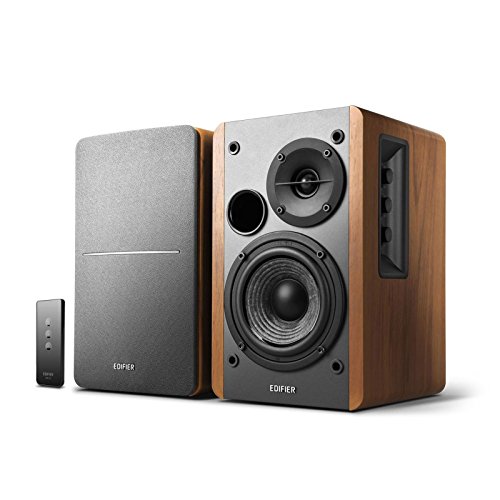
One of the first decisions is whether to choose powered speakers with built-in amplifiers or passive models that require a separate receiver. Powered options like the Edifier R1280DB simplify setup, as they include amplification tuned specifically for the drivers. This is ideal for desktop use where space is at a premium.
Passive speakers, such as the Klipsch RP-600M II, offer more flexibility for future upgrades but demand a quality amp. Consider your existing equipment and whether you prefer a minimalist setup or a modular system. For more on optimizing your desktop audio, read our top desktop gaming speakers guide for related insights.
Driver Technology and Sound Signature
The drivers determine the speaker’s tonal balance and detail retrieval. Silk dome tweeters, found in Edifier models, deliver smooth highs without harshness, ideal for extended listening. In contrast, Klipsch’s Tractrix horn tweeters provide a more dynamic, forward presentation that excels in rock and jazz.
Woofer material also matters. Klipsch uses Cerametallic or copper-spun IMG cones for rigidity and low distortion, while Edifier’s 4-inch bass units offer surprising punch for their size. Think about the music you listen to most and whether you prefer a neutral or lively sound signature.
Connectivity and Inputs
Modern bookshelf speakers should offer versatile connectivity to pair with TVs, turntables, and streaming devices. Bluetooth is a must for wireless convenience, but digital inputs like optical and coaxial ensure lossless playback from your computer or TV. The Edifier R1280DB includes these, making it a versatile all-in-one solution.
For passive models, dual binding posts allow bi-amping or bi-wiring, which can reduce interference and improve clarity. If you’re building a high-end system, this feature is worth prioritizing. Always check the speaker’s input options against your current gear to avoid needing extra adapters.
Final Thoughts
Choosing the right pair of audiophile bookshelf speakers ultimately comes down to your listening environment and musical tastes. For a versatile, powered solution that works straight out of the box, the Edifier R1280DB Powered Bluetooth Bookshelf is an outstanding choice, offering excellent detail and connectivity for near-field listening. If you prefer a more dynamic, high-output sound and already have a quality amplifier, the Klipsch Reference Premiere RP-600M II Ebony speakers deliver a thrilling, room-filling performance that will satisfy even the most discerning ears. Take your time, consider your space, and enjoy the journey to better sound.
Frequently Asked Questions
What is the difference between powered and passive audiophile bookshelf speakers?
Powered speakers have built-in amplifiers, so they only need a power source and audio input. Passive speakers require an external amplifier or receiver, which gives you more control over the sound but adds complexity and cost. For desktop setups, powered speakers are usually more convenient.
Do I need a subwoofer with bookshelf speakers?
Bookshelf speakers can produce decent bass, but they often struggle with the lowest frequencies. Adding a subwoofer can fill in the low end, especially for movies or electronic music. However, many listeners find the bass of quality bookshelf speakers like the Klipsch R-51M sufficient for casual listening.
What is the ideal placement for audiophile bookshelf speakers?
Place the speakers at ear level when you’re seated, and form an equilateral triangle with your listening position. Avoid placing them too close to walls, as this can muddy the bass. Experiment with toe-in angles to fine-tune the stereo imaging.
Are more expensive speakers always better?
Not necessarily. Higher price often brings better build quality, more refined drivers, and a wider soundstage, but your room and source quality matter just as much. A well-set-up pair of budget speakers can outperform an expensive pair placed poorly. For more tips on getting the most from your audio, check our speakers category page.
For more audio insights, explore our blog or see what deals are coming up on Black Friday.