You love music and want to fill your room with rich, detailed sound. Maybe you are moving into a new place or upgrading from a basic soundbar. The good news is that you do not need to spend a fortune to get excellent audio quality. A great pair of speakers can transform your listening experience for movies, gaming, or critical music sessions. In this guide, we have evaluated the best bookshelf speakers that offer outstanding value. Whether you prefer wireless convenience or classic high-fidelity setups, we have options for you. For more background on building a complete home audio system, check out our roundup of top tower speakers.



Buying Guide: What to Look for in Budget Bookshelf Speakers
Sound Quality and Driver Design
The heart of any speaker is its driver configuration. Look for a dedicated tweeter for crisp highs and a woofer that can handle mids and lows. Silk dome tweeters, like those in Edifier models, deliver smooth treble without harshness. A larger woofer typically means fuller bass, but cabinet design matters too. For those seeking powerful low end, you might also explore floorstanding speakers which often have larger drivers.
Connectivity Options
Modern bookshelf speakers come with Bluetooth for streaming from your phone or tablet. Bluetooth 5.x versions offer stable connections and low latency. Some models include optical or coaxial inputs for connecting to a TV or turntable. If you want a simple wireless setup, choose a powered speaker with built-in amplification. Passive speakers require a separate amplifier, but they allow you to upgrade components later.
Build Quality and Aesthetics
Wooden enclosures made from MDF reduce unwanted vibrations and improve sound clarity. A quality wood veneer finish also looks elegant on a shelf or desk. Pay attention to the weight of the speakers; heavier cabinets usually indicate better damping. For a curated selection of premium designs, see our bookshelf speakers under $1000 guide.
Size and Power Handling
Consider the size of your room and where the speakers will sit. Compact models fit easily on a desk, while larger ones suit living rooms. Look for RMS power ratings that match your listening volume. Sensitivity (measured in dB) indicates how efficiently the speaker converts power into sound. Higher sensitivity means louder output from a given amplifier.
Final Thoughts
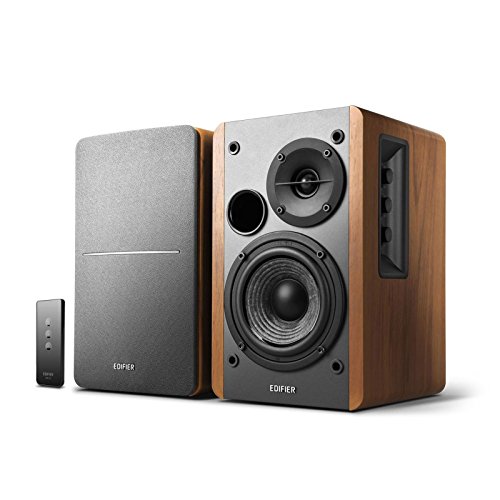
After carefully reviewing the top contenders, we believe the Edifier R1700BT Bluetooth Bookshelf Speaker delivers the best all-around package for its blend of wireless convenience, refined sound, and attractive design. For purists who prefer a passive setup with airy highs and precise imaging, the Klipsch R-41M Reference Bookshelf Speakers (Pair) paired with a modest amplifier represent a fantastic long-term investment. Whichever you choose, you will enjoy a noticeable upgrade in your listening experience. For more recommendations at different price points, visit our Speakers category page.
Frequently Asked Questions
Do I need an amplifier for these bookshelf speakers?
Powered speakers like the Edifier R1700BT have built-in amplification, so you can connect sources directly without extra gear. Passive models like the Klipsch R-41M require a separate stereo receiver or amplifier. Check the product specifications before buying.
Can I use bookshelf speakers for a home theater setup?
Yes, bookshelf speakers work well as front or rear channels in a surround sound system. Many have good bass response for smaller rooms. Pair them with a subwoofer for a more immersive movie experience. For more tips, browse our budget bookshelf speaker guide.
How do I connect Bluetooth speakers to my TV?
Most Bluetooth bookshelf speakers have a 3.5mm or RCA input. You can connect your TV via the headphone jack or use a Bluetooth transmitter if your TV lacks built-in Bluetooth. Some models also include optical input for higher-quality digital audio.
Are bookshelf speakers good for music production?
Yes, many affordable powered speakers offer a neutral frequency response suitable for near-field monitoring. Models with separate bass and treble controls let you dial in a flat response. However, for critical mixing, dedicated studio monitors may offer more accuracy.