You have finally decided to upgrade your home audio, and tower speakers are at the top of your list. Whether you want to feel the roar of a blockbuster movie or hear every nuance in your favorite album, floorstanding speakers deliver the presence and power that bookshelf models simply cannot match. This guide focuses on three exceptional tower speakers from Klipsch and Polk Audio, covering different budgets and feature sets. We evaluated each model for sound quality, build, and ease of setup to help you choose the right pair for your room. If you are also exploring compact options, check out our best bookshelf speakers for vinyl guide for smaller spaces.

Buying Guide for Tower Speakers
Sound Signature and Driver Configuration
The heart of any tower speaker is its driver array. Look for a combination of tweeters and woofers that match your listening preferences. Horn-loaded tweeters, like those from Klipsch, deliver crisp highs and excellent efficiency, while dynamic balance woofers from Polk Audio provide smooth midrange and punchy bass. If you prioritize detailed dialogue and sound effects, a dedicated tweeter with a waveguide can make a noticeable difference.
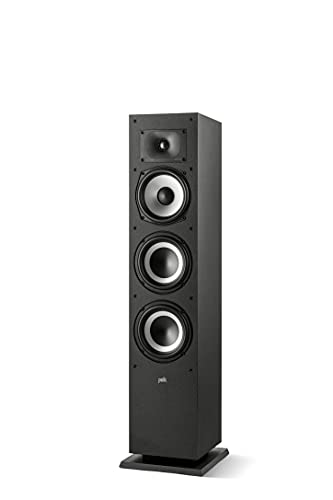
For deeper low-end extension, some models use passive radiators or multiple woofers. The Polk Audio Monitor XT60 uses dual passive radiators to reinforce bass without a separate subwoofer, making it a strong choice for music lovers. If you plan to build a full surround system, timbre-matched speakers from the same series ensure seamless blending. You can learn more about matching speakers in our audiophile bookshelf speakers guide.
Power Handling and Sensitivity
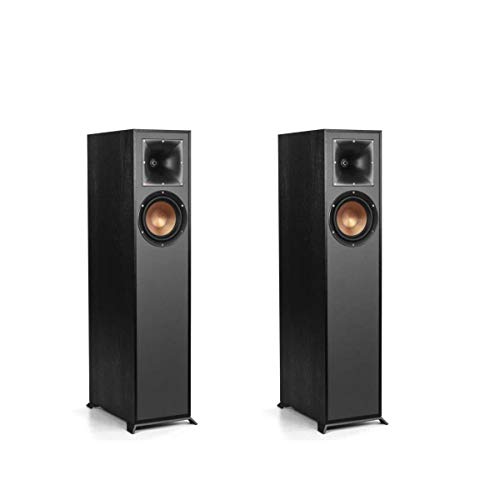
Power handling tells you how much clean output a speaker can produce, but sensitivity is equally important. Higher sensitivity (measured in dB) means the speaker plays louder with less amplifier power. The Klipsch Reference R-610F boasts 94dB sensitivity, so even a modest receiver can drive them to satisfying volumes. If you have a powerful amplifier, models with higher continuous power ratings like the Klipsch Reference R-26FA can handle dynamic peaks without strain.
Always match the speaker impedance (usually 6 or 8 ohms) with your receiver specifications. Most modern AV receivers work fine with 8-ohm speakers, but check your amp manual for compatibility. For a deeper dive into amplifier pairing, visit our Speakers category page.
Room Size and Placement
Your room dimensions and layout heavily influence speaker performance. Large open spaces benefit from towers with multiple woofers or passive radiators to fill the area with sound. For smaller rooms, a slimmer design like the Klipsch Reference R-610F can deliver excellent clarity without overwhelming the space. Consider front-firing ports if you need to place speakers close to a wall, as rear ports require more breathing room.
Placement also affects imaging and soundstage. Keep speakers at least a few feet from side walls and toe them slightly toward your listening position. If you have hardwood floors, rubber feet (included with the Polk Audio Monitor XT60) help stabilize the cabinet and reduce vibrations. For more setup tips, browse our related tower speaker review.
Connectivity and Future-Proofing
Most tower speakers use standard binding posts that accept banana plugs or bare wire. Dual binding posts allow bi-wiring or bi-amping, which can improve clarity by separating the signal paths for high and low frequencies. This feature is available on the Klipsch Reference R-26FA, giving you flexibility to upgrade your amplification later. Also confirm compatibility with modern audio formats like Dolby Atmos if you plan to enjoy immersive soundtracks.
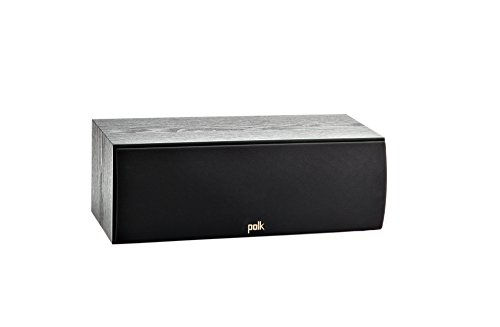
If you are building a home theater from scratch, consider speakers that are part of a larger ecosystem. The Polk Audio Monitor XT series includes matching center, bookshelf, and height modules for a cohesive setup. For more on system integration, see our tower speaker comparison.
Final Thoughts
After comparing these three tower speakers, we believe the Klipsch Reference R-26FA Floorstanding Speaker is the top choice for anyone seeking a full Dolby Atmos experience with integrated elevation drivers and powerful bass, making it ideal for home theater enthusiasts who want a truly three-dimensional soundstage. For budget-conscious listeners who still crave robust performance, the Polk Audio Monitor XT60 Home Theater Tower Speaker delivers impressive clarity and deep bass using passive radiators, and it pairs easily with other Polk components to expand your system over time. Both models offer excellent value, and your final decision should depend on whether you prioritize Atmos immersion or affordable flexibility.
Frequently Asked Questions
Do I need a subwoofer with tower speakers?
Many tower speakers, especially those with multiple woofers or passive radiators, produce enough bass for music and movies without a subwoofer. However, for the deepest low frequencies in action films or electronic music, adding a dedicated subwoofer can enhance the experience. The Klipsch Reference R-26FA and Polk Audio Monitor XT60 both offer strong bass, but a subwoofer still adds that extra rumble.
Can I use tower speakers for stereo music listening?
Absolutely. Tower speakers are excellent for two-channel music because they provide a wide soundstage and full-range response. The Klipsch Reference R-610F, with its high sensitivity and horn-loaded tweeter, delivers detailed highs and punchy dynamics that make vocals and instruments come alive. Many audiophiles prefer floorstanding speakers over bookshelf models for their effortless presence.
What is the difference between a tower speaker and a bookshelf speaker?
Tower speakers are taller and typically have multiple drivers, allowing them to produce deeper bass and higher volume levels without distortion. Bookshelf speakers are smaller and often require a subwoofer for low frequencies. If you have the floor space and want a more immersive experience without extra components, tower speakers are the way to go. For smaller rooms, check our best audiophile bookshelf speakers guide.
How do I connect tower speakers to my receiver?
Simply connect the speaker wire from the receiver’s speaker outputs to the binding posts on the back of each tower. Ensure the polarity is correct (positive to positive, negative to negative). Most modern receivers support both bare wire and banana plugs. If your speakers have dual binding posts, you can bi-wire or bi-amp for potentially better sound quality. Always turn off the receiver before making connections.