Top 5 Floorstanding Speakers Under $500: Quick Comparison


Buying Guide: Key Factors to Consider
Driver Configuration and Sound Quality
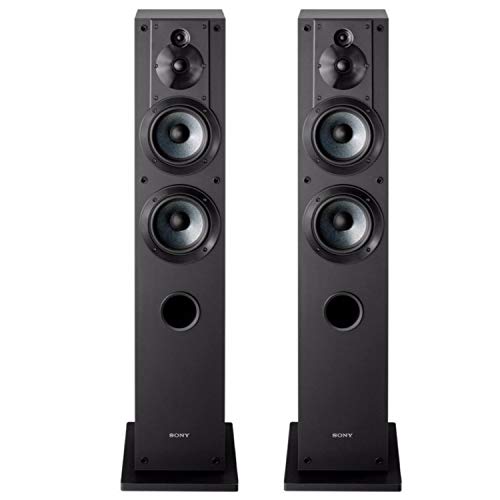
The heart of any floorstanding speaker lies in its drivers. Look for models with dedicated woofers, tweeters, and sometimes even super tweeters. A three-way design, like the one found in the Sony SS-CS3M2, often provides a more detailed and balanced sound stage.
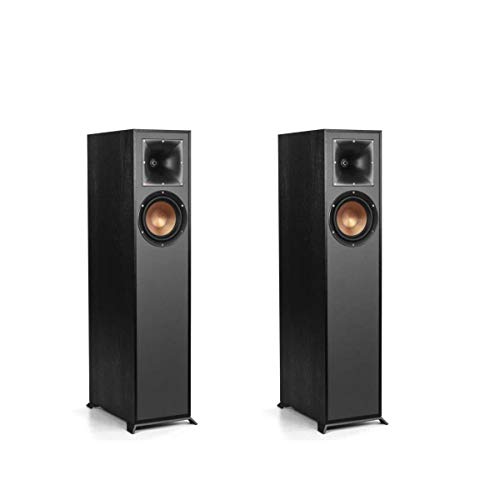
Consider the materials used for the drivers. Klipsch’s Cerametallic woofers and Polk’s Dynamically Balanced drivers are engineered for minimal distortion and high efficiency. These materials help deliver clear highs and punchy lows, making your music and movies more engaging.
Power Handling and Sensitivity
Power handling tells you how much amplifier power a speaker can handle, while sensitivity indicates how efficiently it converts that power into sound. A higher sensitivity rating, like the 94dB of the Klipsch R-610F, means you can get louder volumes with less power, which is great for smaller receivers.
For larger rooms, you might want a speaker with higher continuous power handling to ensure it can fill the space without strain. Always match your speaker’s power requirements with your amplifier’s capabilities to avoid distortion or damage.
Cabinet Design and Bass Response
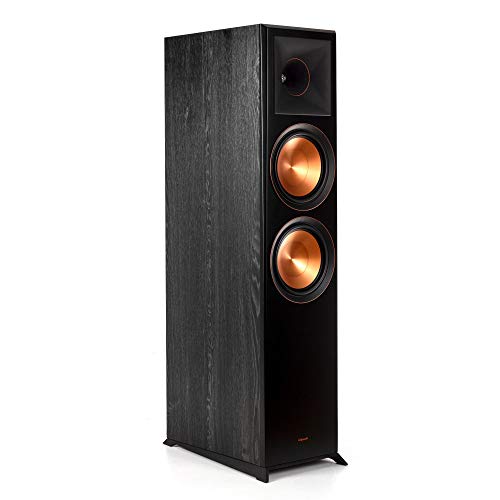
The cabinet’s construction and port design significantly impact bass response. Rear-firing ports, like those on the Klipsch RP-8000F, can enhance low-frequency output but require careful placement away from walls. Alternatively, front-firing or passive radiator designs, like the Polk XT70, offer more flexibility in placement.
Larger woofers and passive radiators generally produce deeper, more impactful bass. If you enjoy bass-heavy genres or action movies, pay close attention to the low-frequency extension (Hz) of the speaker. A good range is typically below 40Hz for a truly immersive experience.
Connectivity and Additional Features
While traditional speaker wire connections are standard, some models offer bi-wiring or bi-amping options for improved audio quality. This allows you to use separate amplifier channels for the woofers and tweeters, reducing potential interference. The Klipsch RP-8000F comes with dual binding posts for this purpose.
Consider the overall aesthetic and footprint of the speaker. Floorstanding speakers can be large, so measure your space and think about how they’ll blend with your décor. For more tips on optimizing your setup, check out our complete speaker category page.
Final Thoughts
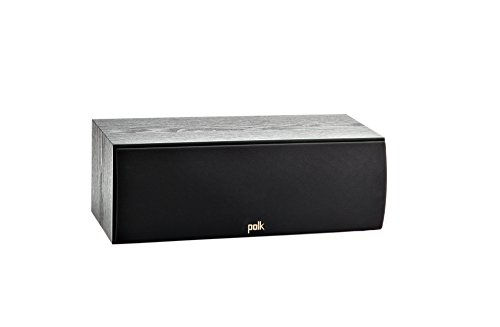
Choosing the right floorstanding speakers under $500 comes down to your personal listening preferences and room characteristics. For those who prioritize dynamic, horn-loaded sound and high efficiency, the Klipsch RP-8000F Reference Premiere Floorstanding is a stellar choice, while the Polk Audio Monitor XT70 Large Home Tower Speaker offers a balanced, refined performance with a modern design that’s perfect for both music and home theater. Both options deliver exceptional value and will elevate your listening experience significantly.
Frequently Asked Questions
What is the ideal room size for floorstanding speakers?
Floorstanding speakers generally perform best in medium to large rooms, typically 200 to 400 square feet. Their larger drivers can move more air, filling the space with robust sound. In smaller rooms, they can still work well but may require careful positioning to avoid overwhelming the space with bass.
Do I need a subwoofer with floorstanding speakers?
Many floorstanding speakers, especially those with large woofers or passive radiators, can produce deep bass on their own. However, for the most cinematic and immersive experience, adding a subwoofer can handle the lowest frequencies with more authority. This is particularly beneficial for home theater enthusiasts who enjoy action movies or electronic music.
How much amplifier power do I need for floorstanding speakers?
The required amplifier power depends on the speaker’s sensitivity and your typical listening volume. Speakers with higher sensitivity (e.g., 90dB or more) require less power to reach the same volume. A receiver delivering 50 to 100 watts per channel is usually sufficient for most home setups. Always check the speaker’s power handling specifications to ensure your amplifier can drive them effectively without clipping.
Are floorstanding speakers better than bookshelf speakers?
Floorstanding speakers generally offer deeper bass, higher output, and a more imposing soundstage than bookshelf speakers. They also eliminate the need for stands and can be a more streamlined solution. However, bookshelf speakers can be more affordable and easier to place in smaller rooms. For a detailed comparison and recommendations, you might find our guide to affordable bookshelf speakers helpful in making your decision.