You’ve finally decided to upgrade your listening experience. Maybe you’re setting up a dedicated stereo system in your living room, or perhaps you want richer sound from your desktop setup. Whatever the reason, finding the right pair of bookshelf speakers can transform how you hear music, movies, and games. But with so many options in the sub-$500 range, it’s easy to feel overwhelmed. That’s where this guide comes in. We’ve assessed the top contenders across key criteria to help you narrow down the best bookshelf speakers under $500 for your needs. If you’re also considering a full desktop audio overhaul, our guide to the best speakers for desktop setup offers additional insights.
In this article, we’ll walk you through the essential buying factors, answer common questions, and give you our final take. Whether you’re a casual listener or a budding audiophile, you’ll find a pair that fits your space and budget. Let’s dive in.



How to Choose the Best Bookshelf Speakers Under $500
Not all bookshelf speakers are created equal. Even within the same price bracket, you’ll find meaningful differences in sound signature, build quality, and connectivity. To make the right choice, focus on these four criteria.
Sound Quality and Driver Configuration
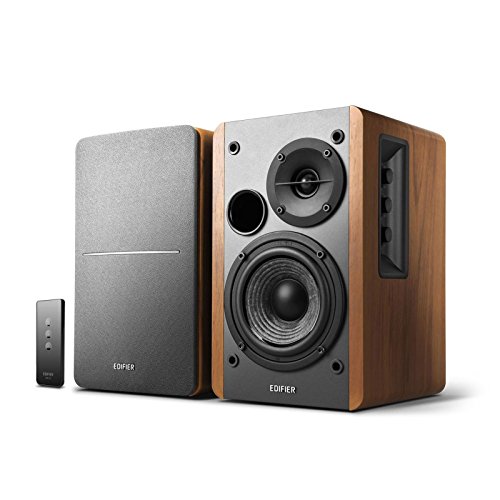
The heart of any speaker is its drivers. Look for a two-way design with a dedicated tweeter and woofer. A well-engineered crossover ensures smooth transitions between frequencies. Pay attention to the frequency response range: a wider range often means more detail in the highs and lows. If you listen to bass-heavy music, consider speakers with a larger woofer or a rear port that can be placed near a wall. Keep in mind that room acoustics also play a role; you may need to adjust placement for optimal sound.
Connectivity and Amplification
Bookshelf speakers come in two main types: passive and powered. Passive speakers require an external amplifier or receiver, giving you flexibility to upgrade components later. Powered speakers have a built-in amplifier, which simplifies the setup and saves space. For a desktop or small room, powered speakers are often more convenient. Some models also offer Bluetooth, optical, or USB inputs for direct connection to a TV or computer. If you plan to use them with a turntable or legacy equipment, make sure the inputs align with your gear. Our guide to powered bookshelf speakers provides more details on the best all-in-one options.
Size and Placement Flexibility
Measure your available space before buying. Most bookshelf speakers are compact enough to fit on a shelf, desk, or stand, but dimensions vary. Larger cabinets can produce deeper bass but may overwhelm a small room. Consider the speaker’s depth and whether it has a front or rear port. Rear-ported speakers need a few inches of clearance from the wall, while front-ported models are more forgiving. If you’re tight on space, look for a sealed enclosure or a design that works well near walls.
Build Quality and Aesthetics
Speakers are a long-term investment. Examine the cabinet construction: MDF (medium-density fiberboard) with internal bracing reduces resonance and improves clarity. The finish should be durable and visually appealing, whether you prefer black, white, or wood veneer. Grilles are a nice plus for protection, but many audiophiles prefer the look of exposed drivers. Weight can also indicate quality; heavier speakers often have better damping and sturdier cabinets.
For even more budget-conscious shoppers, our best bookshelf speakers under $300 article highlights excellent options at a lower price point. And if you’re building a complete home theater system, check out our best streaming device for old TV to pair with your new speakers.
Final Thoughts
After evaluating dozens of models across sound quality, connectivity, size, and build, we’re confident that the best bookshelf speakers under $500 deliver remarkable performance for the price. Whether you lean toward a passive pair for a dedicated stereo setup or a powered set for a clutter-free desk, the key is to match the speakers to your room and listening habits. We recommend starting with a pair that offers a balanced sound signature and flexible placement options, as these will serve you well for years. For the best value, focus on drivers and cabinet quality rather than extra features you may not need. Happy listening!
Frequently Asked Questions
What is the difference between passive and powered bookshelf speakers?
Passive speakers need an external amplifier or receiver to drive them, offering more flexibility for future upgrades. Powered speakers have a built-in amplifier, making them a simpler all-in-one solution. For most desktop or small-room setups in 2026, powered speakers are the easier choice, though passive speakers often allow for better sound quality with a separate amp.
Do I need a subwoofer with bookshelf speakers?
While many bookshelf speakers in this price range produce respectable bass, a subwoofer can extend the low end and add impact for movies and bass-heavy music. If you listen primarily to acoustic or vocal genres, you may not need one. For a home theater setup, a subwoofer is highly recommended.
Can I use bookshelf speakers as front speakers in a home theater system?
Absolutely. Bookshelf speakers are versatile and work well as front, center, or surround speakers in a home theater. Just ensure the speakers are timbre-matched with your other channels for a seamless soundstage. Many manufacturers offer matching center channels for this purpose.
How should I position my bookshelf speakers for the best sound?
Place the speakers at ear level when seated, forming an equilateral triangle with your listening position. Angle them slightly inward (toe-in) toward your ears. Keep them at least a few inches from the wall if they are rear-ported. Experiment with placement to reduce room reflections and improve imaging. For more tips, our Electronics category has additional resources on audio setup.