
Whether you are building a home theater, setting up a desktop workstation, or simply wanting better sound from your turntable, a pair of quality bookshelf speakers can transform your listening experience. With so many options on the market, it is easy to feel overwhelmed by specs, driver sizes, and connectivity choices. In this guide, we have evaluated four top‑rated bookshelf speakers across different budgets and use cases to help you make an informed decision. We focus on real‑world performance, build quality, and the features that matter most for everyday listening.



Buying Guide: What to Look for in Bookshelf Speakers
Driver Size and Material
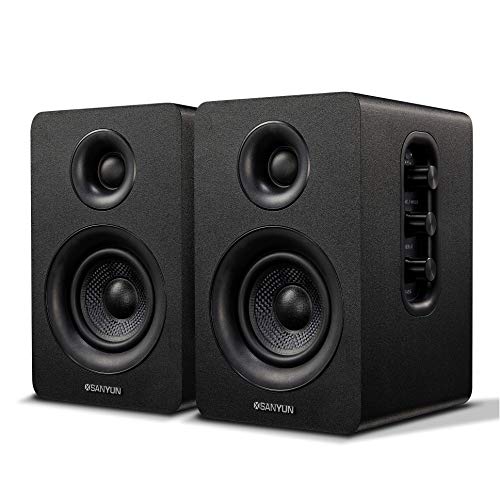
The driver is the heart of any speaker. Larger woofers (5 inches and up) generally produce deeper bass, while smaller drivers (3 to 4 inches) excel in clarity at moderate volumes. The cone material also plays a role: carbon fiber drivers, like those in the Sanyun SW208, offer stiffness and low distortion, while traditional paper or polypropylene cones can sound warmer. For near‑field desktop listening, a 4‑inch driver is often a sweet spot.
If you are planning to use the speakers as part of a surround system, a 5.25‑inch driver such as the one in the Polk Audio T15 can integrate well with a subwoofer. For a compact stereo setup without a sub, look for a powered model with a built‑in amplifier, like the MEVOSTO 5‑Inch, which uses dual woofers for extra low‑end presence.
Connectivity and Flexibility
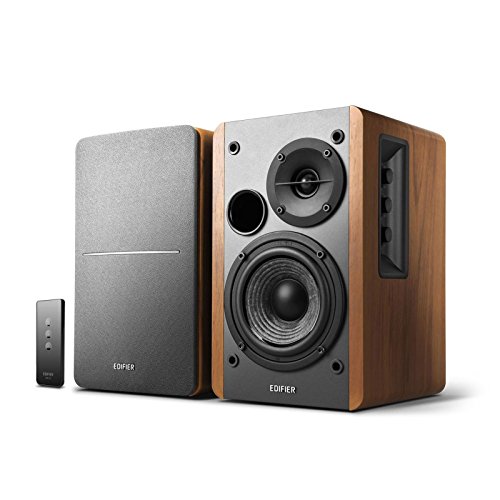
Your source devices determine which inputs you need. Bluetooth is essential for wireless streaming from phones or tablets, while USB audio input allows a direct digital connection to a computer, bypassing the sound card. The Edifier R1280T offers dual AUX inputs, making it easy to switch between a TV and a music player without unplugging cables.
For vinyl enthusiasts, a speaker with RCA inputs and a built‑in phono preamp simplifies the setup. The MEVOSTO DS19 includes both Bluetooth 5.4 and RCA/AUX, making it compatible with turntables, game consoles, and desktop PCs. If you value convenience, look for a remote control, as seen on the Edifier model.
Sound Quality and Tuning Controls
Even the best drivers need proper tuning. Independent bass and treble controls let you tailor the sound to your room or personal taste. The Sanyun SW208 provides side‑panel knobs for both, while the MEVOSTO DS19 adds a remote for easy adjustments from your listening position. A built‑in DAC (digital‑to‑analog converter) can also improve audio fidelity when connected via USB, as confirmed by the Sanyun’s 24‑bit circuitry.
For passive speakers like the Polk Audio T15, the sound quality ultimately depends on your receiver or amplifier. They require a separate amp, but that also gives you the freedom to choose your amplification. If you prefer an all‑in‑one solution, a powered speaker with a quality amplifier inside is the simpler path.
Build and Aesthetics
Bookshelf speakers are often on display, so their appearance matters. The Edifier R1280T features a classic wood‑effect vinyl finish that blends with most décor, while the MEVOSTO DS19 sports a modern walnut wood grain. Compact models like the Sanyun SW208 are easy to tuck into small shelves, and the Polk Audio T15 can be wall‑mounted for a clean, unobtrusive surround‑sound setup.
Consider the weight and dimensions if you plan to place them on a desk or shelf. A heavier MDF cabinet reduces unwanted resonance, contributing to clearer sound. All four models in this review use quality enclosures that minimize vibrations.
Final Thoughts
Choosing the right pair ultimately comes down to how you plan to use them. If you want a compact, versatile speaker with a built‑in USB DAC and Bluetooth for your desktop, the Sanyun SW208 3″ Active Bluetooth 5.0 Bookshelf delivers remarkable value for its size. For a more traditional bookshelf speaker with remote control, dual AUX inputs, and a timeless wood finish, the Edifier R1280T Powered Bookshelf Speakers -2.0 is a proven favorite among audiophiles and casual listeners alike. Both models offer excellent sound quality and ease of use for their respective use cases.
Frequently Asked Questions
Are powered bookshelf speakers better than passive speakers?
It depends on your needs. Powered speakers have a built‑in amplifier, so you don’t need a separate receiver. They are simpler to set up and often include features like Bluetooth and remote controls. Passive speakers require an external amp but allow you to upgrade components individually and often offer greater flexibility for larger home theater systems.
Can I use bookshelf speakers for my TV?
Yes, as long as your TV has audio outputs. Most modern TVs have a 3.5mm headphone jack, RCA outputs, or optical audio. For powered speakers, connect via the appropriate cable. Passive speakers will need an AV receiver or amplifier. The Polk Audio T15 is a great choice if you plan to build a 5.1 surround system later.
Do I need a subwoofer with bookshelf speakers?
Many bookshelf speakers produce surprisingly good bass, especially models with 5‑inch or larger woofers like the MEVOSTO DS19. However, if you listen to bass‑heavy music or watch action movies at high volumes, adding a subwoofer will provide deeper, more impactful low frequencies. For most casual listening, a quality pair of bookshelf speakers is sufficient.
What is the ideal size for desktop bookshelf speakers?
For a typical desk, speakers with 3‑inch to 4‑inch drivers work well because they don’t overwhelm your workspace yet deliver clear sound. The Sanyun SW208 (3‑inch) and Edifier R1280T (4‑inch) are both excellent choices. Larger speakers like the Polk Audio T15 (5.25‑inch) may require more desk space or speaker stands.