

Picture this: you are in a hotel lobby or an airport lounge, and the public Wi-Fi is either excruciatingly slow or just plain insecure. Your work deadline is tight, and you need a reliable, private connection. That is exactly where a mobile router becomes your travel essential. These pocket-sized devices take a single public internet source, whether from a wired Ethernet port or a wireless hotspot, and broadcast a secure, personal Wi-Fi network for all your gadgets. In this guide, we review two outstanding mobile routers that cover different needs: the feature-rich TP-Link Roam 6 AX1500 and the ultra-affordable GL.iNet GL-SFT1200 Opal. Both excel at transforming sketchy connections into trusted networks. If you are new to travel routers, our Routers category page offers more insights on the entire product family.

Buying Guide
Portability and Build Quality
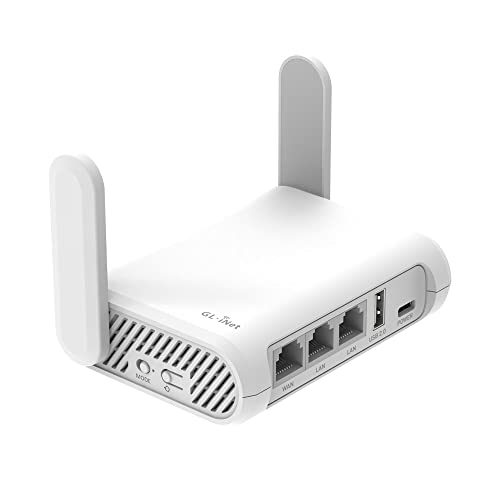
A mobile router is only useful if you can carry it without hassle. Look for lightweight, compact designs that slip into a pocket or a small pouch. The GL.iNet GL-SFT1200 Opal weighs just 145 grams and features retractable antennas, making it easy to toss into any bag. The TP-Link Roam 6 is similarly pocket-friendly and includes a USB-C power option that can run off a power bank. For road trips, you might also appreciate durable construction that can handle bumps. Check our Automotive category for more travel-friendly gear.
Wi-Fi Performance and Standards
The latest Wi-Fi 6 standard delivers faster speeds and better efficiency, especially when multiple devices connect. The TP-Link Roam 6 supports AX1500 speeds, reaching up to 1,201 Mbps on the 5 GHz band. That is ideal for streaming 4K video or handling video calls from a hotel room. The GL.iNet Opal uses AC1200 Wi-Fi 5, which is still plenty fast for most tasks and keeps the price lower. Both routers handle dual-band connections, letting you offload simple browsing to 2.4 GHz while reserving 5 GHz for demanding apps.
Security and VPN Capabilities
Public networks are notorious for security risks. A good mobile router creates a private, encrypted tunnel for all your devices. The TP-Link Roam 6 supports OpenVPN and WireGuard, and even includes a one-step captive portal authentication feature that logs you into hotel Wi-Fi once and shares the connection across devices. The GL.iNet Opal also comes with pre-installed OpenVPN and WireGuard clients and adds a physical toggle switch to enable VPN instantly. Both routers protect your data whether you are working remotely or just browsing. For long winter drives, a secure connection can also help you check road conditions; see our best car jump starter for winter guide to stay prepared.
Ease of Setup and Versatility
You do not want to spend hours configuring a travel router. Both models offer straightforward setup via a mobile app or web interface. The TP-Link Tether App lets you log in to public Wi-Fi once and then automatically secures all your devices. The GL.iNet router has a detailed unboxing video and a web admin panel with plenty of guides. Additionally, both support multiple modes: router, access point, repeater, and client mode. This flexibility means you can use them as a standard home router, a range extender, or a travel companion. If you also care about tire pressure for your road trip vehicle, read our Best Digital Tire Pressure Gauge article for peace of mind.
Final Thoughts
Both mobile routers excel at turning unreliable public Wi-Fi into a secure, high-performance network for your devices. If you need the latest Wi-Fi 6 speeds, USB-C power flexibility, and a seamless captive portal bypass, the Roam 6 AX1500 Portable Wi-Fi 6 Travel Router is your best bet. For budget-conscious travelers who still demand robust VPN support and a compact design, the GL.iNet GL-SFT1200 Opal Travel Router delivers outstanding value without cutting corners on security. Whichever you choose, you will enjoy a safer, more reliable online experience wherever your journeys take you. For more travel tech tips, explore our Blog.
Frequently Asked Questions
Can I use a mobile router with a hotel’s paid Wi-Fi?
Yes. Most mobile routers, including the TP-Link Roam 6 and GL.iNet Opal, have a captive portal mode that lets you log in to hotel Wi-Fi once and then share that authenticated connection with all your devices. The Roam 6 even offers one-step authentication via its Tether App.
Do mobile routers work with cellular data plans?
Not directly. These routers are designed to take an existing internet source (wired Ethernet, public Wi-Fi, or a tethered smartphone) and rebroadcast it as a private Wi-Fi network. To use cellular data, you would need a separate hotspot or a phone with tethering capabilities. Many users pair a travel router with a USB-tethered phone for a secure, always-on connection.
Which mobile router is best for remote work in 2026?
For heavy remote work involving video conferencing and large file transfers, the TP-Link Roam 6 with Wi-Fi 6 and gigabit ports offers the highest performance. For lighter tasks like email and browsing on a budget, the GL.iNet Opal is a solid choice. Both support VPNs for secure access to corporate networks.
Can I use a mobile router as a permanent home router?
Absolutely. Both routers can operate in router mode, connecting to an ISP modem via their WAN port. They are perfectly capable as a primary home router, especially in small apartments or for temporary setups. Just note that they lack high-gain antennas for large homes. For more permanent solutions, browse our Routers category.


