You’re about to head out on a long drive, but your tire pressure warning light just blinked on. You pull into a gas station, but the air pump’s gauge is broken or inaccurate. Frustrating, right? A reliable tire pressure gauge is a small tool that saves you from uneven tire wear, poor fuel economy, and even dangerous blowouts. In this guide, we’ve evaluated the top tire pressure gauges of 2026 across digital, analog, and pencil types to help you find the perfect match for your car, truck, or RV.
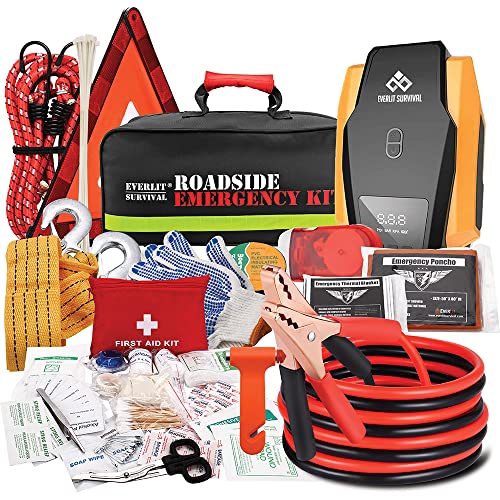
We’ve spent hours researching and comparing the most popular models from trusted brands like JACO, AstroAI, and ETENWOLF. Our goal is to give you clear, practical recommendations based on accuracy, ease of use, and durability. Whether you’re a daily commuter or an off-road enthusiast, you’ll find a gauge here that fits your needs and budget. And while you’re at it, consider pairing your gauge with a roadside safety kit for complete peace of mind.




Buying Guide: What to Look for in a Tire Pressure Gauge
Accuracy and Calibration
The whole point of a tire pressure gauge is to give you a precise reading. Look for gauges that are certified to ANSI standards, like the JACO ElitePro Digital, which is calibrated to ±0.50% FS. Digital gauges from AstroAI and ETENWOLF offer ±1 PSI accuracy, which is plenty for most drivers.
Analog gauges, both dial and pencil, are also reliable when built well. ETENWOLF’s pencil gauges are calibrated to ANSI B40.1 Grade B, while their dial gauge meets Grade A standards. Always check the accuracy specs before buying, especially if you drive a heavy-duty truck or RV.
Pressure Range and Compatibility
Different vehicles require different pressure ranges. Passenger cars typically need 30-35 PSI, while trucks and RVs may need up to 80 PSI or more. The ETENWOLF T300 digital gauge covers up to 200 PSI, making it ideal for heavy-duty use. The AstroAI Heavy Duty model goes up to 230 PSI, and the JACO 100 PSI gauge is perfect for most cars and light trucks.
For bicycles, you’ll need a gauge with a lower range, like the ETENWOLF 0-75 PSI dial gauge. Make sure the gauge you choose fits the valve stems on your vehicle; most come with a standard Schrader chuck, but some include adapters for Presta valves.
Ease of Use and Readability
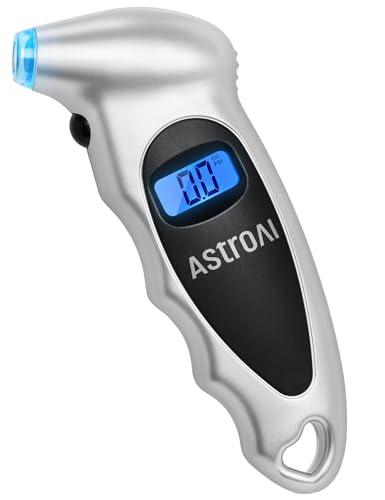
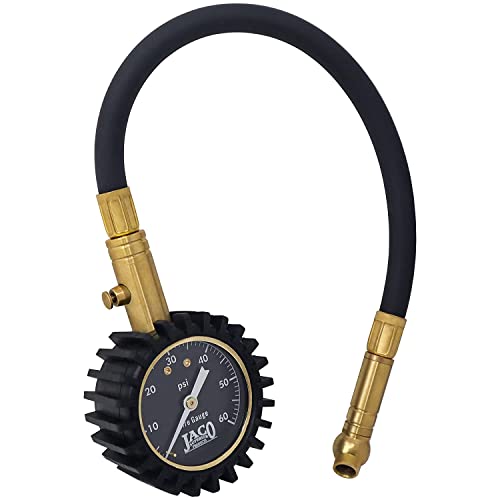
A gauge that’s hard to read or awkward to use will likely end up in your glove box, unused. Digital gauges with backlit displays, like the AstroAI Digital 150 PSI, are easy to read in low light. Analog dial gauges with glow-in-the-dark faces, like the JACO 60 PSI models, are also excellent choices.
Look for features like a 360-degree swivel chuck, which makes it easy to reach valve stems at any angle, and a bleeder valve to release excess pressure. The JACO ElitePro Digital and the ETENWOLF dial gauge both offer these practical features.
Durability and Build Quality
Your tire pressure gauge should withstand drops, impacts, and extreme temperatures. JACO gauges are made from solid brass and steel, with a shock-resistant guard. ETENWOLF’s T300 is built to survive being run over by a car, and its AI chip compensates for temperature changes. AstroAI’s heavy-duty model uses stainless steel for extra toughness.
If you often check your tires in remote areas, a durable gauge is a must. Pair it with a car emergency kit with a jump starter to handle any roadside situation.
Final Thoughts
Choosing the best tire pressure gauge comes down to your specific needs: for maximum accuracy and ease of use, the JACO ElitePro Digital Tire Pressure Gauge stands out with its professional-grade precision and rugged build, while the AstroAI Digital Tire Pressure Gauge 150PSI offers unbeatable value and reliability for everyday drivers. Both are excellent choices that will keep your tires in top shape for years.
Related Guides
Frequently Asked Questions
What is the best tire pressure gauge for accuracy?
For the highest accuracy, look for a digital gauge with a low tolerance, such as the JACO ElitePro Digital, which is certified to ±0.50% FS. Other digital models from AstroAI and ETENWOLF offer ±1 PSI accuracy, which is sufficient for most passenger vehicles.
How often should I check my tire pressure?
It’s best to check your tire pressure at least once a month and before long trips. Tire pressure can change with temperature, so it’s also wise to check it when the seasons change. Using a reliable gauge ensures you catch any issues early.
Can I use a tire pressure gauge for my bicycle?
Yes, but you need a gauge that measures lower pressures, typically between 30 and 60 PSI for bikes. The ETENWOLF 0-75 PSI dial gauge is a great option. Some gauges, like the ETENWOLF T300, require a separate Presta valve adapter for bicycles.
Are analog or digital tire pressure gauges better?
Digital gauges offer precise readings and are easier to read in the dark, while analog gauges are more durable and never need batteries. Choose based on your priorities: for accuracy and convenience, go digital; for simplicity and longevity, go analog. Both types from top brands like JACO and ETENWOLF are reliable.
To stay fully prepared, consider adding a car first aid kit and a roadside emergency kit to your vehicle’s safety gear.