

Imagine your internet plan delivers 2.5 Gbps, but your router only has gigabit ports. You are stuck at 940 Mbps, leaving most of your speed unused. That is why you need a router built for multi-gigabit connections. In this guide, we evaluate two standout options: the ASUS RT-BE82U WiFi 7 Router and the TP-Link Omada ER707-M2. Whether you want cutting-edge Wi-Fi 7 for your whole home or a robust VPN router for your office, we have you covered. For more insights on building a fast network, check our guide to gigabit internet routers.
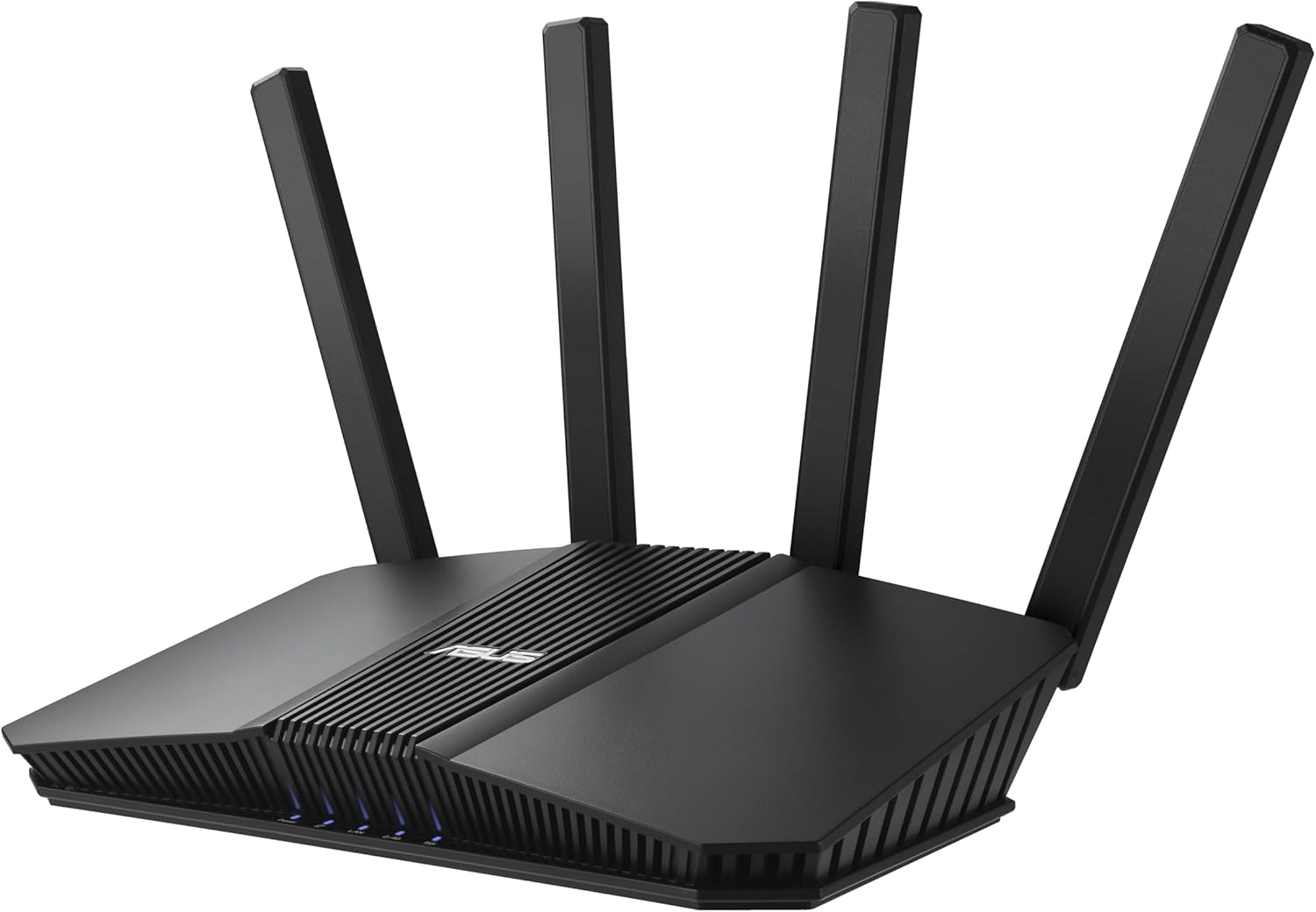
Pros
- Ultrafast WiFi 7 with 4096-QAM boosts single-band speed by 1.2 times.
- Five 2.5GbE LAN ports provide high-speed wired connectivity for demanding devices.
- AiMesh support allows easy expansion to a mesh system for whole-home coverage.
- Commercial-grade security with AiProtection, VPN, and safe browsing features.
- Easy setup and user-friendly ASUS router app for remote management.
Cons
- Some users report performance drop for newer devices (e.g., iPhone 17 Pro) at distance.
- A small number of reviews mention Ethernet port issues within the first month.
- Warranty concerns raised by a few customers, though ASUS offers a 3-year warranty.
The ASUS RT-BE82U is a dual-band WiFi 7 router designed for users who need blazing-fast speeds and robust security. With speeds up to 6500 Mbps and five 2.5GbE ports, it targets gamers, streamers, and smart home owners who want a future-proof, mesh-capable network backbone.
Standout features include true WiFi 7 performance with 4096-QAM, which boosts single-band throughput by 1.2 times. The five 2.5GbE ports ensure wired devices like PCs and consoles get maximum bandwidth. AiMesh technology lets you add additional ASUS routers to create a seamless whole-home mesh network, ideal for larger homes or dead zones.
Setup is incredibly easy via the ASUS Router app, with intuitive controls for QoS, guest networks, and IoT segregation. The commercial-grade AiProtection Pro, powered by Trend Micro, provides continuous security scans, VPN support, and safe browsing. Real-world performance is excellent, with users reporting strong coverage across 1600 sq. ft. homes.
A few drawbacks include a reported performance drop for newer iPhones at long range, and rare Ethernet port failures noted in early reviews. The warranty is 3 years, though some customers have expressed concerns. Overall, the RT-BE82U offers outstanding value for its price, especially for a WiFi 7 router with multi-gig ports.
Verdict: The ASUS RT-BE82U is a top-tier choice for anyone looking to upgrade to WiFi 7 without breaking the bank. Its combination of speed, ports, security, and mesh expandability makes it ideal for demanding home networks. Despite minor issues, it delivers reliable performance and future-proofing.

Buying Guide: What to Look for in 2.5GbE Routers
Choosing the right router goes beyond just checking the box. Here are the key factors to consider when shopping for a 2.5GbE router.
Port Configuration and WAN/LAN Flexibility
Look for routers with multiple 2.5GbE ports, not just one. This allows you to connect your modem, gaming PC, and NAS simultaneously without bottlenecks. Some models offer a dedicated WAN port and additional LAN ports, while others provide flexible WAN/LAN ports that can be configured based on your needs.
Consider how many wired devices you have. If you have a smart home hub, a switch, and a desktop, you will want at least three or four 2.5GbE ports. For most users, a router with two or more 2.5GbE ports is ideal. For more tips on building a fast wired network, see our gigabit internet router recommendations.
Wi-Fi Technology and Speed
Wi-Fi 6 or Wi-Fi 7 support is crucial for wireless speeds above 1 Gbps. Wi-Fi 7, like on the ASUS RT-BE82U, offers lower latency and higher throughput, perfect for heavy streaming and gaming. However, even Wi-Fi 6 routers with 2.5GbE ports can handle multi-gigabit internet effectively.
Check the theoretical speed ratings, but remember real-world performance depends on your devices and environment. A router with 2.5GbE ports ensures your wired connections are not the weak link, even if your Wi-Fi speed is lower.
VPN Support and Security Features
If you use a VPN for work or privacy, consider a router with built-in VPN support. The TP-Link Omada ER707-M2, for example, supports up to 100 IPsec VPN connections, making it a powerhouse for small businesses. VPN encryption can slow down your router, so a model with a fast processor is essential.
Security features like firewall, parental controls, and automatic updates are also important. Look for routers with built-in security suites, like ASUS AiProtection, to keep your network safe.
Scalability and Management
Think about future expansion. Can you add more access points or mesh nodes? Routers with AiMesh or Omada compatibility allow you to extend coverage easily. For advanced users, cloud management options like the Omada app provide centralized control.
Also, consider the number of clients supported. If you have many smart home devices, a router that can handle a large number of simultaneous connections is a must. For more on home office setups, read our working from home router guide.
Final Thoughts
When you need the absolute fastest wireless speeds and future-proofing, the ASUS RT-BE82U WiFi 7 Router – Dual-Band, 6.5 Gbps is our top pick, thanks to its Wi-Fi 7 technology and five 2.5GbE ports. On the other hand, if your priority is a robust, secure VPN router for a small office or advanced home network, the Omada ER707-M2, Multi-Gigabit VPN Route offers unmatched VPN capacity and flexible port options at a great value. Both are excellent choices, but they serve different needs, so consider what matters most to you—raw speed or secure connectivity.
Frequently Asked Questions
What is the difference between a 2.5GbE router and a regular gigabit router?
A regular gigabit router caps your wired speeds at 1 Gbps, while a 2.5GbE router supports up to 2.5 Gbps. This means if you have internet plans faster than 1 Gbps, a 2.5GbE router ensures you actually get those speeds over a wired connection.
Do I need a Wi-Fi 7 router for 2.5GbE speeds?
Not necessarily. A Wi-Fi 6 router with 2.5GbE ports can still deliver multi-gigabit wired speeds. However, Wi-Fi 7 offers higher wireless throughput and lower latency, which is beneficial if you have many devices or do heavy online gaming.
Can I use a 2.5GbE router with my current modem?
Yes, but ensure your modem has a 2.5GbE port to take full advantage. If your modem only has a 1GbE port, you will be limited to gigabit speeds on the WAN side, even if your router has 2.5GbE LAN ports.
How many devices can a 2.5GbE router handle?
It depends on the router’s hardware. High-end models like the ASUS RT-BE82U can handle 50+ devices simultaneously, while the Omada ER707-M2 supports over 1000 clients, making it suitable for office environments.


