

Imagine you have just moved to a charming rural home, surrounded by nature, but your internet connection feels stuck in the dial-up era. Streaming a movie buffers endlessly, video calls freeze, and online gaming is a distant dream. This is a reality many face when cable or fiber broadband simply does not reach their area. The good news is that you can bypass these wired limitations entirely. A 5G router with a SIM card slot taps into the cellular network, delivering high-speed internet from the nearest tower. In this guide, we have reviewed three of the best 5G routers for rural areas to help you find the perfect solution for staying connected.


Buying Guide
5G Compatibility and Future-Proofing
When choosing a router for rural areas, 5G support is not just about speed; it is about longevity. A 5G router is backward compatible with 4G LTE, so it works even where 5G is not yet available. However, investing in a model with the latest 5G technology ensures you are ready as carriers expand their coverage. Look for routers that support both standalone (SA) and non-standalone (NSA) 5G networks for maximum flexibility.
Rural connectivity can be unpredictable, so a router that can handle multiple network types is a smart choice. For example, a router with a Qualcomm SDX62 modem offers exceptional 5G speeds, while also providing reliable 4G fallback. This ensures you stay online even during network transitions.
Cellular Failover and Multi-WAN Support
A key feature for rural users is cellular failover, which automatically switches your connection to a cellular network if your primary wired internet drops. This is crucial for maintaining uninterrupted service for work, school, or emergency communications. Some routers offer multi-WAN support, allowing you to combine multiple internet sources like Ethernet, cellular, and even Wi-Fi repeater mode for load balancing or backup.
If you rely on your internet for critical tasks, look for routers that allow you to set failover priorities. This means you can decide which connection takes over first, ensuring you always have a backup. The best travel routers for RV living also often feature similar failover capabilities, making them versatile for mobile use.
Antenna Design and Signal Reception
In rural areas, cellular signals can be weak or obstructed by terrain. A router with high-gain, detachable antennas can significantly improve signal reception. Some models come with multiple external antennas for both cellular and Wi-Fi, which you can position for optimal performance. The ability to connect an outdoor cellular antenna via SMA connectors is a valuable option for boosting signal in challenging locations.
Consider routers that include at least four cellular antennas for MIMO (Multiple Input Multiple Output) technology, which improves data throughput and reliability. This is especially beneficial in areas with marginal coverage, as it helps maintain a stable connection even when signal strength varies.
VPN Support and Security
Security is a top concern for any internet user, but it is especially important when relying on cellular networks. A router with built-in VPN support (such as WireGuard, OpenVPN, or IPsec) encrypts your traffic, protecting your data from prying eyes. This is useful for remote work, accessing sensitive information, or simply browsing privately. Some routers also support multiple VPN clients, allowing you to connect to different VPN servers easily.
If you travel frequently, a router with strong VPN capabilities can also serve as a secure travel companion. Check out our guide on top travel routers with VPN for more insights on how these features enhance your online safety.
Final Thoughts
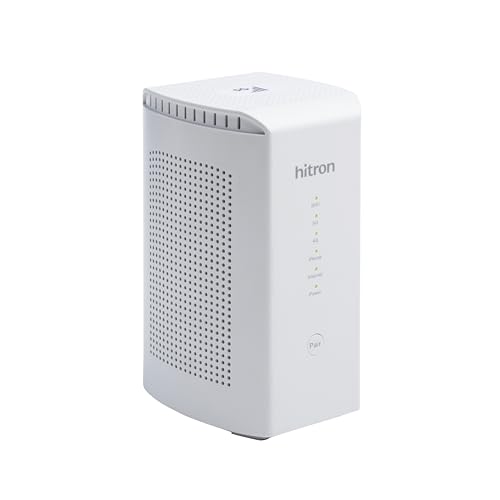
After evaluating these three routers, we believe the best choice depends on your specific needs and budget. For those seeking the ultimate in speed and future-proofing with top-tier 5G performance, the SquareWiz RM520N AX3000 WiFi 6 Modem 5G Router stands out with its lightning-fast Qualcomm modem and extensive antenna array. However, if you require certified carrier compatibility and reliable cellular failover for critical connectivity, the Hitron D60 5G Cellular Router with Sim Card Slot offers a balanced mix of performance and assurance, especially for T-Mobile, AT&T, and US Cellular users. Whichever you choose, both will transform your rural internet experience.
Frequently Asked Questions
Will a 5G router work in a rural area with limited 5G coverage?
Yes, most 5G routers are backward compatible with 4G LTE networks. If 5G is not available in your area, the router will automatically connect to the strongest 4G signal, providing reliable internet speeds. As 5G coverage expands, your router will be ready to take advantage of faster speeds without needing a hardware upgrade.
What is cellular failover and why is it important for rural areas?
Cellular failover is a feature that automatically switches your internet connection from a wired source (like DSL or cable) to a cellular network if the wired connection goes down. This is crucial for rural areas where wired internet can be unreliable. It ensures you stay connected for work, school, or emergency communications without interruption.
Do I need a special SIM card for a 5G router?
You need a standard nano SIM card from a mobile carrier that provides data plans for routers or hotspots. Some routers also support eSIM, which allows you to activate a plan digitally without a physical card. Check with carriers like T-Mobile, AT&T, or US Cellular for compatible plans. For example, the Hitron D60 is certified with these carriers for seamless setup.
Can I use a 5G router as a backup for my home internet?
Absolutely. Many 5G routers, like the Cudy 4G Cat 4 model, offer WAN failover, which automatically switches to cellular when your primary internet drops. This makes them excellent backup solutions for homes or small offices. For more on portable connectivity, see our guide on best travel routers for cruise ships.


