Your laptop’s built-in audio port can fail, produce static, or simply lack the clarity you need for gaming, music, or remote meetings. A USB sound card is a small, affordable fix that instantly restores high-quality sound and microphone support. Whether you need to replace a broken jack, add surround sound, or just want better audio fidelity, this guide covers the best USB sound cards for laptops in 2026.
We have evaluated seven leading models from brands like StarTech.com, SABRENT, UGREEN, and more. Each product was assessed for sound quality, ease of use, compatibility, and build durability. For more context on how these devices compare to dedicated audio solutions, check out our review of the best USB sound cards for overall performance.




Buying Guide: What to Look for in a USB Sound Card
Audio Quality and Sampling Rate
Not all USB sound cards deliver the same fidelity. Look for models with a built-in DAC chip that supports at least 16-bit/48kHz for clear playback. Higher-end options, like the Cubilux 7.1 USB Surround Sound Card, support up to 384kHz/24-bit for hi-res audio. For everyday use, 48kHz is sufficient, but if you are an audiophile or gamer who values positional audio, consider a card with 7.1 surround capability.
Compatibility and Plug-and-Play
Most modern USB sound cards are driverless and work with Windows, macOS, Linux, Chrome OS, and even game consoles like PS4/PS5. However, some older models may not support Windows 11 or newer systems. Always check the compatibility list. For laptops with limited USB ports, a compact design is a plus. If you need a versatile adapter that works across multiple devices, the best external sound cards with digital out offer additional connectivity options.
Input and Output Ports
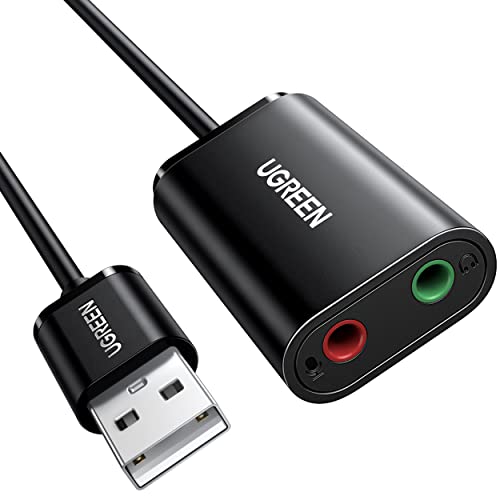
Decide whether you need separate jacks for headphones and microphone, or a single combo TRRS port. Models like the SABRENT USB External Stereo Sound Card have dedicated green (headphone) and pink (mic) jacks, ideal for desktop setups. Others, like the biaze USB Audio Adapter, use a single 3.5mm port for both audio and mic, which works well with gaming headsets. If you plan to record or use line-in, look for cards with line-in support.
Build Quality and Portability
A USB sound card should survive daily travel. Aluminum alloy cases, like the Cubilux model, offer better shielding against interference and are more durable than plastic. Braided cables also last longer. For stationary use, a larger unit with volume control, like the VENTION USB Sound Card, adds convenience. If you are always on the go, a compact dongle-style adapter is easier to pack.
Final Thoughts
After reviewing these seven USB sound cards, we recommend the biaze USB Audio Adapter USB Sound Card for its excellent value, crystal-clear 48kHz audio, and broad compatibility with laptops, consoles, and Chromebooks. For users who need surround sound and higher sampling rates, the Cubilux 7.1 USB Surround Sound Card stands out with its aluminum build and 384kHz support, making it a strong choice for gamers and music enthusiasts. Both models are driverless and offer reliable performance for any laptop audio upgrade.
Frequently Asked Questions
Do USB sound cards work with all laptops?
Yes, most USB sound cards are class-compliant and work with Windows, macOS, Linux, and Chrome OS. Always confirm compatibility with your specific operating system version, especially if you use Windows 7 or older.
Can I use a USB sound card for gaming?
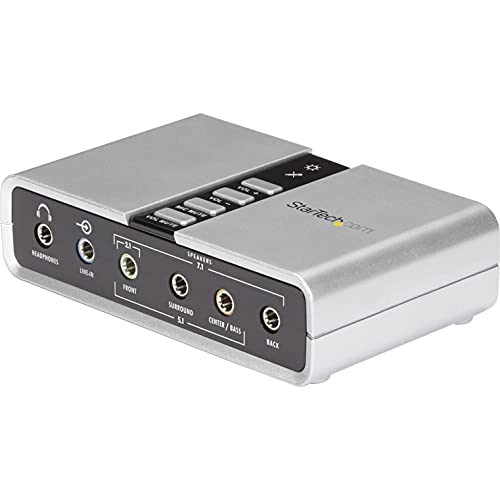
Absolutely. Many USB sound cards support virtual 7.1 surround sound, which enhances positional audio in games. Models like the Cubilux 7.1 and StarTech 7.1 are excellent for gaming on laptops.
Will a USB sound card improve microphone quality?
A USB sound card can improve microphone clarity by providing a cleaner audio path and reducing noise from the laptop’s internal circuitry. However, the microphone itself matters most. For best results, pair a USB sound card with a quality headset or external mic.
How do I set up a USB sound card on my laptop?
Simply plug the USB sound card into a free port. Your laptop should automatically recognize it as an audio device. Then, right-click the speaker icon in the system tray, select “Open Sound settings,” and choose the USB sound card as your output and input device. No drivers are needed for 2026 models.