If your laptop’s built-in audio has left you frustrated with static, weak volume, or a broken headphone jack, an external sound card is the quick fix you need. Whether you’re gaming, taking video calls, or listening to music, a USB audio adapter can restore and even enhance your sound quality. In this guide, we evaluated eight of the best external sound cards for laptops, ranging from budget-friendly dongles to advanced surround-sound units from brands like StarTech.com, SABRENT, and UGREEN. For a broader look at upgrading your PC audio, check out our roundup of the best external sound cards.





Buying Guide: What to Look for in an External Sound Card
Audio Quality and DAC Performance
The digital-to-analog converter (DAC) chip inside the sound card determines how faithfully audio is reproduced. Look for models that support at least 16-bit/48kHz resolution for clear, noise-free sound. Some premium options, like the Cubilux 7.1 USB Surround Sound Card, offer up to 384kHz/24-bit for high-resolution audio, which is ideal for audiophiles and critical listening.
If you game or watch movies, a 7.1 surround sound card can create an immersive spatial experience. For everyday use, a stereo adapter with a good DAC is more than sufficient. For more on dedicated audio upgrades, see our guide on top dedicated sound cards for crisp audio.
Connectivity and Compatibility
Most external sound cards connect via USB-A and are plug-and-play on Windows, macOS, Linux, and even gaming consoles. Ensure the adapter supports your specific devices: some work with PS4/PS5, Switch, or Chromebook. If you need to use a headset with a single 3.5mm jack (TRRS), verify that the sound card has a combo port. The VENTION USB Sound Card includes a volume control knob and separate mic and headphone jacks, making it versatile for desktop use.
For older operating systems like Windows 7 or XP, check compatibility; some newer models only support Windows 10 and later. If you’re building a high-end workstation, you might also be interested in the best PCIe sound cards for internal upgrades.
Build Quality and Portability
A durable casing protects the electronics and reduces interference. Aluminum alloy shells, like on the Cubilux model, offer better shielding and heat dissipation than plastic. If you travel often, a compact, lightweight design with a braided cable (like the MOSWAG adapter) is easier to pack. Some sound cards also double as USB hubs, adding extra ports for your mouse or flash drive, which is a handy bonus for laptop users.
Extra Features: Volume Control, Mic Input, and More
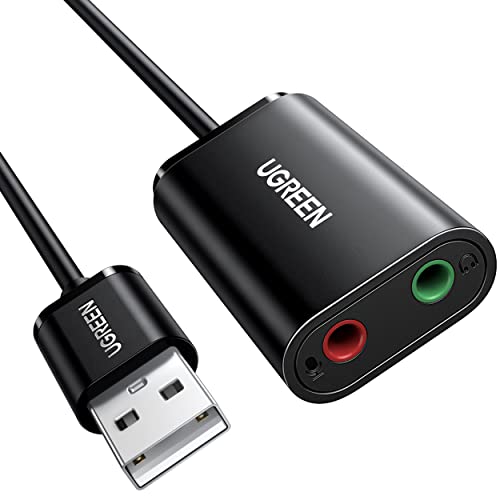
Physical volume knobs and mute buttons make it easy to adjust audio without reaching for software controls. A separate microphone input (pink jack) is essential for clear voice chat or recording. The SABRENT USB External Stereo Sound Card Adapter provides two distinct jacks for headphone and mic, while the Micolindun model adds a USB hub function. If you need a simple, low-cost fix, the biaze USB Audio Adapter is a reliable plug-and-play solution.
Final Thoughts
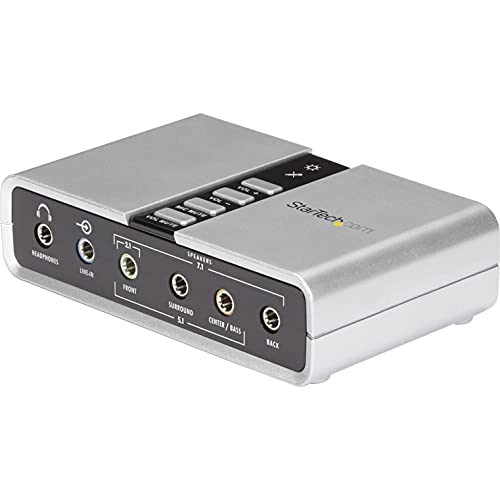
After reviewing the top contenders, two external sound cards stand out for different needs. For an affordable, no-fuss upgrade that instantly revives your laptop’s audio, we recommend the biaze USB Audio Adapter USB Sound Card. If you crave immersive surround sound for gaming or movies, the StarTech 7.1 USB Audio Adapter delivers exceptional clarity with multiple channel support and a robust build. Whichever you choose, adding an external sound card is a cost-effective way to get high-quality audio from your laptop.
Frequently Asked Questions
Do external sound cards improve audio quality?
Yes, especially if your laptop’s onboard audio chip is low-quality or damaged. External sound cards have dedicated DACs that reduce noise and distortion, providing cleaner sound at higher volumes. For a deeper look at options, see our best external sound cards roundup.
Can I use an external sound card with a gaming headset?
Absolutely. Most external sound cards have a 3.5mm combo jack that supports headsets with a single plug (CTIA standard). If your headset has separate mic and audio plugs, choose a sound card with two dedicated jacks, like the SABRENT or VENTION models.
Are external sound cards plug and play?
Nearly all modern USB sound cards are plug and play on Windows, macOS, and Linux. No drivers are needed; the system recognizes them as a standard audio device. If you encounter issues, ensure your operating system is up to date.
What is the difference between 2.0 and 7.1 sound cards?
A 2.0 (stereo) sound card outputs two channels for left and right audio, suitable for headphones and basic speakers. A 7.1 sound card supports up to eight channels, creating surround sound for multi-speaker setups or virtual surround for headphones, ideal for gaming and movies.