Your PC’s built-in audio might be fine for basic tasks, but for gaming, music production, or high-fidelity listening, an external sound card can dramatically improve sound quality. In this guide, we’ve evaluated the best external sound cards for PC in 2026, from affordable USB dongles to powerful PCIe cards. Whether you need to fix a faulty audio port or crave immersive 7.1 surround sound, our picks have you covered. For a broader overview, check out our dedicated guide to external sound cards.





Buying Guide: What to Look for in an External Sound Card
Audio Quality & Resolution
The primary reason to invest in an external sound card is superior audio. Look for models that support high sampling rates (at least 96 kHz) and a high signal-to-noise ratio (SNR). Cards like the Creative Sound Blaster Audigy Fx Pro achieve 120 dB SNR and 32-bit/384 kHz playback, delivering crystal-clear sound. For a deeper dive into sound card specs, see our top dedicated sound cards list.
Many USB adapters offer 16-bit/48 kHz, which is fine for everyday use but not for audiophile-grade listening. If you value pristine audio, prioritize cards with DAC chips and high-resolution support.
Connectivity & Ports
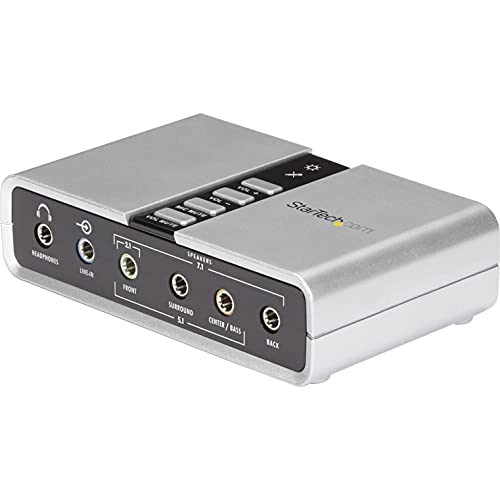
Consider what devices you plan to connect. Basic USB sound cards provide a single headphone/mic combo jack, while advanced models offer multiple 3.5 mm outputs for 5.1 or 7.1 surround systems, plus optical SPDIF and line-in/out. The StarTech 7.1 USB Audio Adapter, for example, supports up to 7.1 channels and includes separate jacks for each speaker pair. If you need to replace a broken audio port, a simple adapter like the SABRENT USB External Stereo Sound Card is a quick fix.
Also check for microphone input support. Some cards have a dedicated mic port, while others use a combo jack. For streaming or voice chat, ensure your headset’s plug type is compatible.
Compatibility & Plug-and-Play
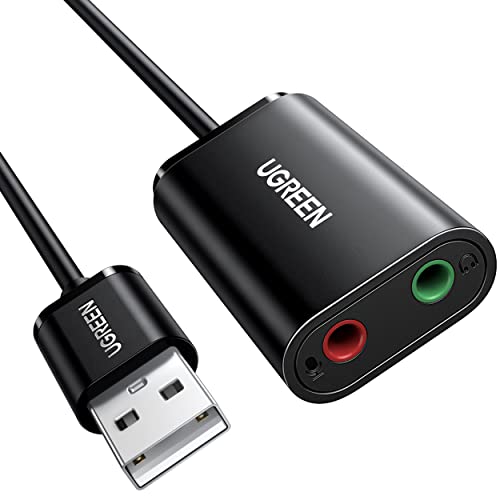
Most external sound cards work with Windows, macOS, and even Linux without drivers. However, some older or specialized cards require software installation for full features. The biaze USB Audio Adapter and UGREEN USB Sound Card Adapter are true plug-and-play, recognized as standard USB audio devices. For gaming consoles like PS4/PS5, verify support beforehand. Our PCIe sound card guide covers internal options for desktop towers.
If you use an older operating system like Windows 7, double-check compatibility. Some newer cards, like the Cubilux 7.1 model, explicitly exclude Windows 7 and 8.
Form Factor & Build
External sound cards range from tiny dongles barely larger than a USB stick to compact desktop boxes with volume knobs. The Micolindun External Sound Card even adds two USB ports, functioning as a hub. For portability, choose a lightweight adapter with a braided cable. Gaming setups often benefit from a dedicated control box with mute and volume controls, like the Toeasor USB Sound Card. Durability matters if you travel frequently; metal enclosures (like the Cubilux aluminum case) reduce interference and last longer.
For more on choosing the right form factor, browse our Cards category page for additional comparisons.
Final Thoughts
After reviewing eight top contenders, our recommendation boils down to two standout models. For users seeking uncompromising high-resolution audio with 7.1 surround and a premium build, the Creative Sound Blaster Audigy Fx Pro Hi-Res PCIe is the ultimate choice. If you need a simple, ultra-affordable fix for a faulty audio port or a basic upgrade for clear stereo sound, the SABRENT USB External Stereo Sound Card Adapter delivers incredible value. Both are excellent investments for 2026 depending on your needs and budget.
Frequently Asked Questions
Do external sound cards improve audio quality?
Yes, especially if your computer’s onboard audio is noisy or lacks fidelity. External sound cards include dedicated DACs and amplifiers that produce cleaner, more detailed sound. In 2026, even budget models offer noticeable improvements for gaming and music.
Can I use an external sound card with a laptop?
Absolutely. Most USB sound cards are designed for laptops and desktops alike. They add or replace audio ports, making them perfect for laptops with limited or faulty jacks. Many are compact enough to stay plugged in without adding bulk.
What is the difference between USB and PCIe sound cards?
USB sound cards are external, portable, and easy to install on any computer with a USB port. PCIe cards install inside your desktop tower and often offer higher bandwidth, lower latency, and more advanced features. For a comparison of internal options, read our best PCIe sound cards.
Are external sound cards compatible with PS4/PS5?
Some are. Many USB sound cards work with PlayStation consoles because they are recognized as standard USB audio devices. Always check the product description for console compatibility. The biaze USB Audio Adapter and Toeasor USB Sound Card both list PS4/PS5 support.