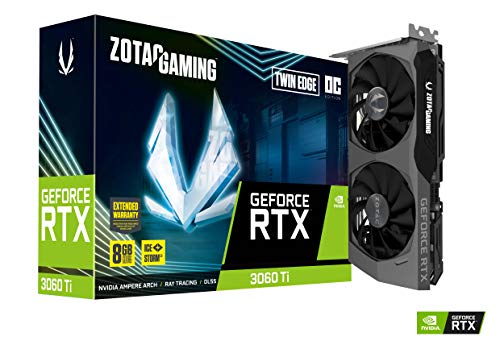
Building a budget PC can feel like a puzzle, especially when you need a graphics card that delivers solid performance without emptying your wallet. Whether you are upgrading an older system, building a media center, or just need a reliable GPU for everyday tasks and light gaming, finding the right component under $100 is crucial. This guide breaks down the top options available in 2026, focusing on value, reliability, and performance for your specific needs.
We have evaluated numerous cards based on real-world performance, driver support, and user satisfaction to bring you a curated list of the best graphics cards under $100. From compact cards perfect for small form factor builds to more powerful options for 1080p gaming, we cover it all. If you are also planning a full PC build, check out our top graphics cards for PC builds for more options.
Buying Guide
When shopping for a budget graphics card, several factors determine whether you get the best value for your money. Here are the key criteria we used to evaluate each card in this guide.
Performance and Memory
For under $100, you are typically looking at cards with 2GB to 4GB of VRAM. This is sufficient for 1080p gaming at medium settings for many older or less demanding titles. For everyday tasks like video playback and office work, even the most basic modern GPU will handle everything smoothly.
Consider what you plan to do. If you are a casual gamer who plays esports titles like Fortnite or CS:GO, a card with a faster core clock and GDDR5 memory will serve you well. For those who only need a display output for productivity, a card with lower power consumption is often the smarter choice.
Power Consumption and Physical Size
Budget graphics cards are generally power-efficient, but you still need to check the power requirements. Many cards in this range draw power directly from the PCIe slot, eliminating the need for extra cables. However, some higher-end models may require a 6-pin connector, so make sure your power supply unit can handle it.
Physical size is another crucial factor, especially if you are building in a compact case. Look for cards that are low-profile or single-fan designs. These are easier to install and fit into smaller systems without sacrificing too much performance.
Connectivity and Features
Modern budget GPUs come with a variety of outputs. HDMI and DisplayPort are standard, but some older cards may only offer DVI or VGA. Ensure the card you choose has the ports you need for your monitor setup. If you plan to use multiple displays, check the number of outputs.
Another feature to consider is hardware video decoding. For those who stream or watch high-resolution video, a card with modern encoding and decoding capabilities can offload work from the CPU, resulting in a smoother experience. This is particularly beneficial if you are using your PC for entertainment purposes.
Driver Support and Software
Good driver support is essential for stability and performance. Both AMD and NVIDIA offer mature software packages, but the frequency of updates can vary. Look for cards that are known for reliable drivers, as this can prevent many headaches down the line.
Additionally, consider the software ecosystem. Features like NVIDIA’s DLSS or AMD’s FSR can boost performance in supported games, but these are rarely found on sub-$100 cards. However, some budget cards do support AMD’s FSR, which can be a game-changer for playable frame rates on low-end hardware. If you are building a budget system, also check out our best sound cards for vocal recording if audio is a priority.
Final Thoughts
Choosing the right graphics card under $100 comes down to balancing your performance needs with your budget. For most users, a card with ample VRAM and solid driver support will provide a great experience for everyday use and light gaming. We recommend the MSI GeForce GTX 1650 for its proven performance and the ASUS GeForce GT 710 for a compact, low-power option perfect for basic tasks. Both offer excellent value for their respective use cases.
Frequently Asked Questions
What is the best graphics card under $100 for gaming?
For gaming on a budget, the best graphics card under $100 is typically one with at least 4GB of VRAM, such as the GTX 1650 or RX 6400. These cards can handle 1080p gaming at medium settings for many popular titles. Always check the specific requirements of the games you play.
Are graphics cards under $100 good for video editing?
Yes, they can handle basic video editing, especially with hardware encoding support. For 1080p editing in software like DaVinci Resolve or Premiere Pro, a card with 4GB of VRAM will help with timeline smoothness and rendering. However, for 4K or heavy effects, you may need a more powerful GPU.
How do I know if a budget graphics card is compatible with my PC?
Check three things: the PCIe slot (most cards use PCIe x16), your power supply wattage and cables, and physical clearance in your case. Most modern cards are compatible with any motherboard built in the last decade. If you are unsure, our cards category has more guides to help you choose.
Is it better to buy a used graphics card under $100?
Buying used can give you more performance for the same price, but it comes with risks like no warranty and potential wear. For a hassle-free experience, a new budget card is safer. If you decide to go used, consider cards like the GTX 1060 or RX 580, but verify the seller’s reputation.