You have the Sony A7RIII, a camera that demands the best from every accessory. With a 42.4-megapixel sensor and the ability to shoot 4K video, you need an SD card that can keep up with rapid burst modes and large file sizes. The wrong card means a stalled buffer, missed shots, and frustrating waits. That is why we have evaluated seven top-tier SD cards to find the options that deliver reliable speed and capacity for your workflow. Whether you shoot landscapes, portraits, or action, this guide will help you choose the right storage for your A7RIII. For a broader look at compatible cards, check our top SD cards for sony cameras.


Buying Guide: How to Choose the Best SD Card for Your Sony A7RIII
Speed Class and UHS Standard
The Sony A7RIII supports UHS-II cards, which offer much higher read and write speeds than UHS-I. For continuous burst shooting of raw files and 4K video at high bitrates, look for V60 or V90 video speed ratings. V90 cards guarantee a minimum write speed of 90 MB/s, ideal for demanding workflows. UHS-II cards like the Sony TOUGH-G and ProGrade Digital Iridium deliver read speeds up to 300 MB/s, dramatically reducing transfer times. If you mainly shoot stills and occasional 1080p video, a high-quality UHS-I card like the SanDisk Extreme can still work well, but for the A7RIII’s full potential, UHS-II is recommended. For a speed comparison across cameras, see our best SD cards for canon R5 guide.
Capacity: Balancing Storage and Workflow
Higher megapixels mean larger file sizes. A 42.4 MP raw file can be around 80 MB, so a 64GB card holds roughly 800 raw images. For 4K video, 128GB or 256GB cards are more practical to avoid frequent swaps. However, storing all your eggs in one large card carries risk if a card fails. Many photographers prefer using two smaller cards (the A7RIII has dual slots) for redundancy. Cards like the Lexar 256GB Silver PRO and Sony TOUGH-M 128GB offer a good balance of capacity and speed. Consider your shooting style: event photographers may need 256GB, while hobbyists can manage with 64GB or 128GB.
Durability and Reliability
When shooting in harsh environments, card durability matters. Sony’s TOUGH-G series uses a one-piece molded construction that is 18 times stronger than standard SD cards. They are waterproof (IPX8) and dustproof (IP6X), making them ideal for outdoor and travel photography. ProGrade Digital’s Iridium line also undergoes rigorous 100% quality validation. Even SanDisk Extreme cards are built to withstand temperature extremes and shocks. For everyday use, any reputable brand will be reliable, but if you shoot in rain, dust, or cold, invest in a tough card. The Cards category on our site has more durability comparisons.
Final Thoughts
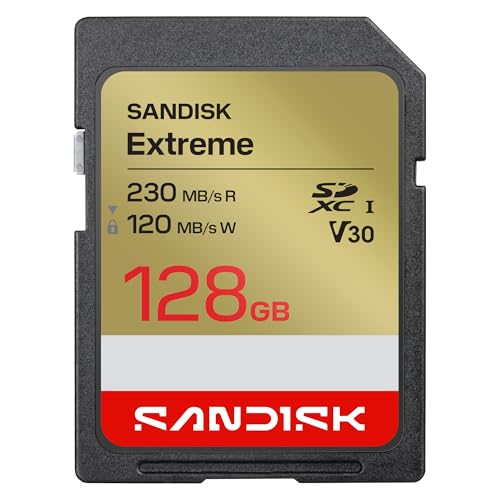
After reviewing these seven cards, the best choice for most Sony A7RIII users comes down to your budget and shooting demands. For a versatile, high-speed option that balances cost and performance, the SANDISK 128GB Extreme SD Memory Card is a solid UHS-I pick for casual shooters. If you need uncompromising speed and durability for professional work, the Sony TOUGH-G series SDXC UHS-II Card 128GB, V90 offers blazing write speeds and rugged construction that will handle any job. Whichever you choose, pairing a fast card with the A7RIII will unlock its full potential.
Frequently Asked Questions
What SD card speed do I need for Sony A7RIII?
For the best experience, use a UHS-II card with a V60 or V90 speed rating. This ensures smooth 4K video recording and fast burst shooting without buffer delays. Even a high-quality UHS-I card can work for stills, but you may notice slower write speeds during continuous bursts.
Is UHS-II worth it for the Sony A7RIII?
Yes, especially if you shoot 4K video or rapid bursts of raw files. UHS-II cards can reach read speeds of 300 MB/s, cutting file transfer times significantly. The camera fully supports UHS-II, so you will see a real-world benefit in both capture and post-production workflow.
What is the best capacity SD card for Sony A7RIII?
128GB is a sweet spot for most photographers, holding about 1,600 raw images or over an hour of 4K video. If you shoot long events or high-volume sessions, 256GB or 512GB cards reduce the need to swap cards. Just remember to use dual slots for backup on important shoots.
Can I use UHS-I cards in the Sony A7RIII?
Yes, UHS-I cards are compatible and work fine for general photography. However, you will not achieve the maximum burst speed or 4K video performance that UHS-II offers. For casual use, a high-speed UHS-I card like the SanDisk Extreme is a budget-friendly option. For more tips, see our guide to SD cards for Sony cameras.