Your Sony A7S III is a powerhouse for 4K video, but it demands memory cards that can keep up with its high bitrates and frame rates. Choosing the wrong SD card can lead to dropped frames or recording interruptions. In this guide, we’ve reviewed six top-tier SD cards from Sony, Lexar, and SanDisk to help you find the perfect match for your workflow. Whether you need blazing write speeds for 4K 120fps or rugged durability for field shoots, we have you covered. For a broader look at options, check out our guide to top SD cards for Sony cameras.


Buying Guide
Speed Class: Why V60 and V90 Matter
The Sony A7S III can record 4K video at up to 120 frames per second, which requires sustained write speeds of at least 60 MB/s for smooth performance. Cards rated V60 (minimum 60 MB/s write) are sufficient for most scenarios, but V90 cards (minimum 90 MB/s) provide extra headroom for high-bitrate codecs like XAVC S-I. For example, the Sony TOUGH-G series SDXC UHS-II Card 64GB, V90 and its 128GB sibling offer up to 299 MB/s write speeds, ensuring zero dropped frames even in the most demanding modes.
Capacity: Balancing Storage and Workflow
Higher capacity cards let you shoot longer without swapping media, but they also take longer to offload. For the A7S III, 128GB is a sweet spot for a day of mixed shooting, while 256GB suits extended sessions. The Lexar 256GB Silver PRO SD Memory Card offers generous space with read speeds up to 280 MB/s for fast transfers. If you often shoot in remote locations, consider pairing a high-capacity card with a rugged backup. For similar advice on other camera systems, see our recommendations for the Canon R5.
Durability: Weather and Physical Resilience
Field production can expose cards to moisture, dust, and accidental drops. Sony’s TOUGH series uses a one-piece molded construction that is 18 times stronger than standard UHS-II cards, with IPX8 waterproof and IP6X dustproof ratings. The Sony TOUGH-G series SDXC UHS-II Card 128GB, V90 is a top choice for adventurous shooters. Even the more affordable Sony TOUGH-M series SDXC UHS-II Card 128GB, V60 offers the same rugged build at a lower speed tier. For a comparison of durable options across brands, visit our Panasonic camera card guide.
Backward Compatibility and System Integration
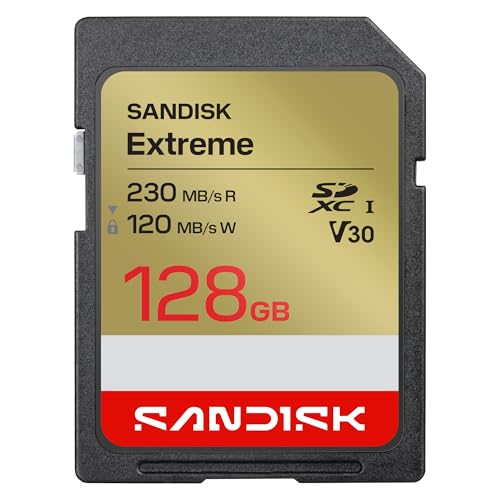
UHS-II cards like those in this roundup are backward compatible with UHS-I slots, but you’ll only get UHS-I speeds in older devices. The A7S III has a UHS-II slot, so you can exploit the full speed of these cards. However, if you also use a UHS-I card reader, the SANDISK 128GB Extreme SD Memory Card (UHS-I) still provides up to 230 MB/s read speeds, which is excellent for quick transfers. Always check your camera’s specifications to ensure you’re pairing the right card class.
Final Thoughts
For Sony A7S III owners who demand uncompromising speed and durability, the Sony TOUGH-G series SDXC UHS-II Card 128GB, V90 delivers the highest write speeds and toughest build, making it ideal for critical pro work. If you need more capacity at a lower cost without sacrificing reliability, the Lexar 256GB Silver PRO SD Memory Card offers a fantastic balance of speed and storage, easily handling 4K 60fps recording. Both cards are excellent choices that will let you focus on capturing the moment, not worrying about your media.
Frequently Asked Questions
What SD card speed do I need for Sony A7S III?
For standard 4K recording at 30 or 60 fps, a V60 card (minimum 60 MB/s write) works well. For 4K 120 fps or high-bitrate codecs like XAVC S-I, a V90 card is recommended to prevent dropped frames. All the cards in this review meet or exceed these requirements.
Is V60 enough for 4K 120fps on the A7S III?
V60 cards can handle 4K 120fps in most scenarios, but if you shoot long clips or use All-I compression, a V90 card provides extra margin. The Sony TOUGH-G V90 cards are the safest bet for uninterrupted recording.
Are Sony TOUGH cards worth the extra cost?
If you frequently shoot in harsh environments, the TOUGH series’ waterproof, dustproof, and bend-resistant design justifies the premium. For controlled studio work, a Lexar Silver PRO or SanDisk Extreme card offers great performance at a lower price. Explore more options in our full SD card category.
Can I use a UHS-I card in the Sony A7S III?
Yes, UHS-I cards are compatible, but they will limit recording options. For example, the SanDisk Extreme UHS-I card can handle 4K 30fps but may struggle with higher frame rates. For full A7S III capabilities, a UHS-II card is strongly advised.