
You’re about to head out for a day of filming, your camera is charged, and you’re ready to capture that once-in-a-lifetime moment. But then, your memory card starts to choke. The camera buffers, the recording stops, and you miss the shot. This is a classic problem when using a card that isn’t built for the demands of 4K video. This guide is for videographers, vloggers, and hobbyists who need reliable, high-speed storage to capture smooth, high-resolution footage without interruption.
We’ve evaluated the top contenders in the market to help you find the perfect fit for your camera and shooting style. From blazing-fast write speeds to massive capacities, we’ll break down what matters most when choosing the best SD cards for 4K video. We’ll also point you to our other resources, such as our guide to the best SD cards for digital cameras, to help you make an informed decision.


Buying Guide for 4K Video SD Cards
Write Speed: The Critical Factor for Smooth Recording
When recording 4K video, your camera writes data continuously to the card. If the card’s write speed is too slow, the camera’s buffer will fill up, causing the recording to stop unexpectedly. Look for cards with a minimum write speed of 30MB/s, which is the Video Speed Class 30 (V30) standard. This ensures you can record at 4K UHD without dropped frames.
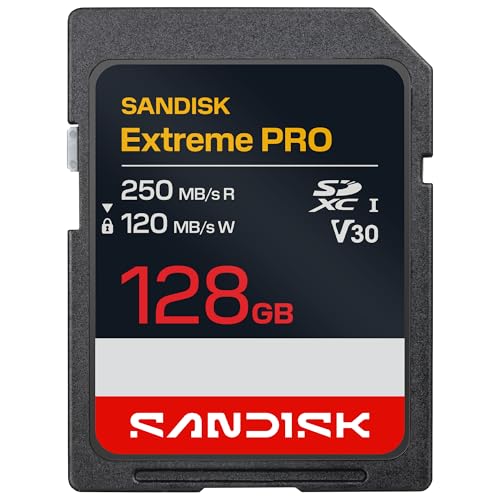
For more demanding codecs like 10-bit 4:2:2, you’ll want even faster cards. The SanDisk Extreme PRO series offers write speeds up to 170MB/s, which is more than enough for professional workflows. If you’re also into high-speed burst photography, check out our recommendations for sports photography.
Read Speed: Faster Offloads, Less Waiting
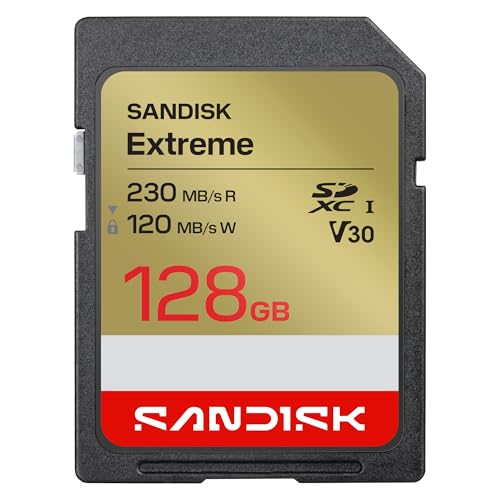
Once you’re done shooting, you’ll want to transfer your footage to your computer or editing drive. A fast read speed significantly reduces this time. Cards with read speeds of 200MB/s or higher, like those with SanDisk QuickFlow Technology, can offload a full card in minutes. This is a huge time-saver for content creators who shoot regularly.
To take full advantage of these speeds, you’ll need a card reader that supports UHS-I or UHS-II. Many modern laptops have built-in SD slots, but a dedicated reader might be necessary for the fastest transfers. For more tips on selecting the right card for your camera, see our comprehensive camera SD card guide.
Capacity and Endurance: Shoot More, Worry Less
4K video files are large, so you’ll want a card with ample storage. Cards come in capacities from 64GB to 1TB, and the right size depends on your shooting style. A 128GB card can hold roughly 2.5 hours of 4K footage at 100Mbps, while a 256GB card doubles that. For long events or all-day shoots, higher capacity is a must.
Endurance is also crucial, especially for dash cams or security cameras that overwrite data continuously. High-endurance cards are built to withstand constant writing, ensuring longevity. If you’re recording for long durations, our wedding photography guide also has great tips for reliable storage.
Final Thoughts
Choosing the right SD card for 4K video is an investment in your creative work. For most users, the SanDisk 128GB Extreme PRO SD UHS-I Card offers the perfect blend of speed, capacity, and reliability, making it our top overall pick. If you need even more storage or are recording continuously for long periods, the SANDISK 256GB High Endurance microSD Card is an excellent choice, ensuring your footage is safe and your card lasts for years.
Frequently Asked Questions
What is the best SD card for 4K video?
The best SD card for 4K video is one that meets at least U3 and V30 speed classes, with a write speed of 30MB/s or higher. SanDisk Extreme PRO cards are a popular choice because they offer fast read and write speeds, ensuring smooth recording and quick transfers. For most cameras, a 128GB or 256GB card from this series is ideal.
Is a V30 SD card enough for 4K video?
Yes, a V30 card is sufficient for most 4K video recording, including at 30 or 60 fps. V30 guarantees a sustained write speed of 30MB/s, which is the minimum for standard 4K codecs. However, if you’re shooting in high bitrate codecs like 10-bit 4:2:2, you might need a faster card like V60 or V90 for extra headroom.
How long can I record 4K video on a 128GB SD card?
A 128GB SD card can record approximately 2.5 hours of 4K video at 100Mbps. At higher bit rates, like 200Mbps, that drops to about 1.25 hours. Always check your camera’s bitrate settings to estimate recording time. For longer shoots, consider a 256GB or 512GB card to avoid running out of space.
What is the difference between U3 and V30?
U3 and V30 are both speed classes that ensure minimum write speeds, but they measure different things. U3 stands for UHS Speed Class 3, which requires a minimum write speed of 30MB/s for any UHS device. V30 is a Video Speed Class rating that also guarantees 30MB/s but is specifically designed for video recording. In practice, they are often used interchangeably, and cards with either rating are suitable for 4K video.