You want a gaming laptop that can keep up with your favorite titles but won’t turn your backpack into a weightlifting session. Lightweight gaming laptops have become remarkably capable, offering serious hardware in slim, portable chassis. Whether you are a college student moving between classes, a remote worker who games after hours, or a traveler who wants to game in hotel rooms, the right lightweight machine can transform your experience. In this guide, we evaluate seven of the best lightweight gaming laptops available now, focusing on performance, display quality, battery life, and build. We have verified each model’s specifications and real-world capabilities to help you find the perfect balance of power and portability. For more context on what to look for, check out our laptops category page.




Buying Guide: What Makes a Great Lightweight Gaming Laptop
Processor and Graphics: The Heart of Gaming Performance
A lightweight gaming laptop needs a CPU and GPU that can handle modern games without excessive heat or power draw. Look for Intel Core i7/i9 HX series or AMD Ryzen 7/9 processors paired with NVIDIA GeForce RTX 40-series or 50-series GPUs. These combinations deliver high frame rates in demanding titles while remaining efficient enough for thin designs. The best budget laptops under 800 often use lower-tier chips, but for gaming, you want at least an RTX 4050 or equivalent to ensure smooth 1080p play.
Display Quality and Refresh Rate
A high-refresh display is essential for competitive gaming. Aim for at least 144Hz, preferably 165Hz or 240Hz, with a resolution of QHD or higher. IPS panels with good color coverage (100% sRGB or DCI-P3) make games look vibrant and reduce eye strain during long sessions. Thin bezels also help keep the laptop compact. For a deeper dive into display specs, read our best laptops under 700 guide which covers similar considerations for budget-friendly machines.
Portability and Build Quality
Weight is the defining factor: look for laptops under 5 pounds for true portability. Build materials matter too; magnesium alloy or aluminum chassis are lighter and more durable than plastic. Check the dimensions to ensure it fits your bag. Battery life is another key aspect; a 50Wh or larger battery can provide 6 to 8 hours of light use, though gaming will drain it faster. If you are considering used options, our best refurbished laptops review highlights models that still offer great value.
Cooling and Thermal Management
Thin laptops often struggle with heat. Look for dual-fan designs with multiple heat pipes, vapor chambers, or liquid metal thermal compound. A good cooling system keeps performance stable during long gaming sessions and prevents throttling. Some models also let you adjust fan curves for quieter operation. For more on thermal performance, see our top used laptops guide, which discusses how older machines handle heat.
Final Thoughts
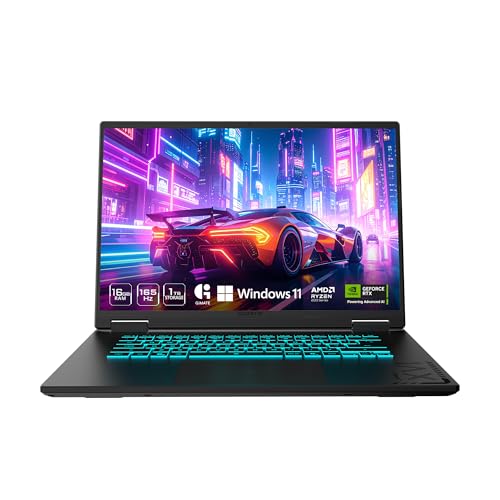
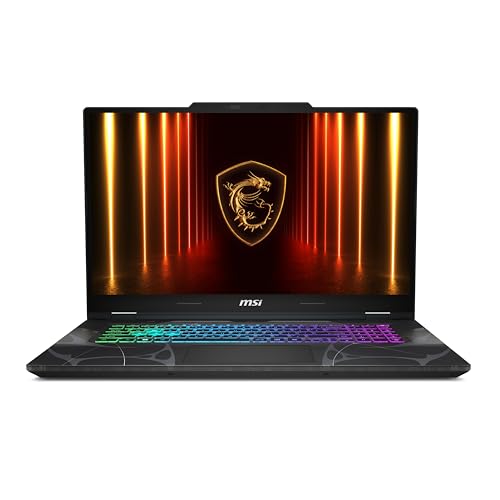
After evaluating the current lineup, we believe the ASUS ROG Strix G16 (2025) Gaming Laptop offers the best combination of cutting-edge performance, a stunning 240Hz display, and a relatively lightweight design for a 16-inch machine. For gamers who want a larger screen without sacrificing portability, the msi Cyborg 17 17.3″ FHD 144Hz Gaming Laptop delivers excellent value with its thin profile and powerful RTX 5060 graphics. Both models represent the sweet spot between mobility and gaming muscle, and either will serve you well for years to come.
Frequently Asked Questions
What is the lightest gaming laptop available in 2026?
Many modern gaming laptops weigh under 4.5 pounds. The MSI Cyborg 17, for instance, comes in at just 5.5 pounds for a 17.3-inch model, while the ASUS ROG Strix G16 is around 5 pounds. For true ultraportability, look for 14-inch models with lower-power GPUs, but they may compromise on performance.
Can a lightweight gaming laptop run AAA games smoothly?
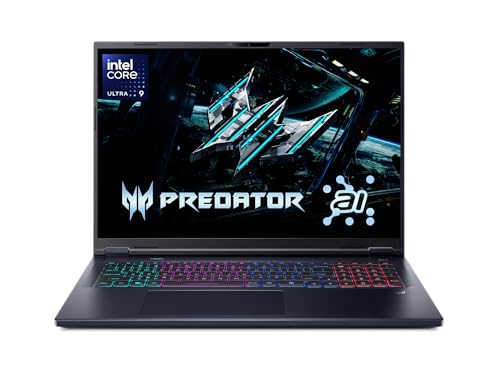
Yes, if equipped with a modern RTX 4060 or higher GPU and a fast CPU. Models like the Acer Predator Helios Neo 18 with RTX 5070 Ti can handle ray-traced titles at high settings. Just ensure the cooling system is adequate to prevent thermal throttling during extended play.
How much RAM and storage do I need for gaming?
16GB of DDR5 RAM is the minimum for smooth multitasking and modern games. 32GB is recommended for heavy modding or streaming. For storage, a 1TB NVMe SSD provides ample space for several games and fast load times. Models like the MSI Katana 15 HX come with 32GB and 1TB out of the box.
Are lightweight gaming laptops good for college students?
Absolutely. They double as powerful productivity machines for coding, design, or writing. Look for models with long battery life (at least 6 hours) and a comfortable keyboard. For budget-conscious students, check our top used laptops guide for reliable second-hand options that still game well.