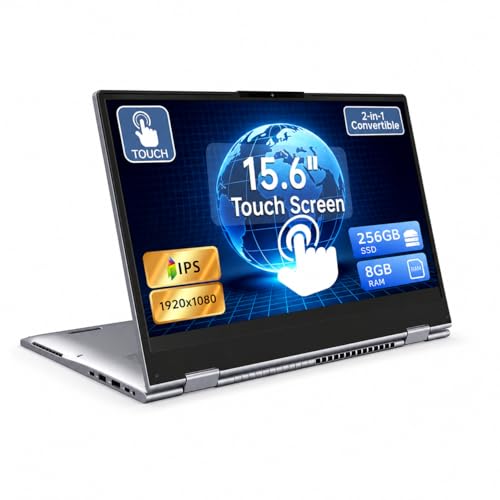
Choosing the right laptop for software engineering coursework can feel overwhelming, especially when you’re juggling assignments, coding projects, and group work. You need a machine that handles compilers, virtual machines, and multiple browser tabs without slowing you down. This guide breaks down the essential features to look for in a student laptop, from processor speed to RAM and storage.
We’ve evaluated a range of options that fit different needs and budgets, focusing on what truly matters for a software engineering student. Whether you’re just starting with introductory programming or diving into more demanding development environments, we’ll help you understand what makes a laptop suitable for your studies. For more tailored advice, check out our guide for online students.


Buying Guide
Processor Performance
The processor is the brain of your laptop, and for software engineering, you need something that can handle compilation and multitasking. Look for at least an Intel Core i5 or AMD Ryzen 5 processor in 2026. These offer a good balance of performance and power efficiency, ensuring your code compiles quickly without draining the battery.
If you’re on a tight budget, a quad-core Intel N-series or Celeron processor can still handle basic programming tasks, but be prepared for slower build times. For more demanding projects, consider a laptop with a higher-end processor like the Intel Core 5 or 7 series.
Memory and Storage
RAM is crucial for running multiple applications and browser tabs simultaneously. For software engineering, we recommend a minimum of 16GB of RAM. This allows you to run an IDE, a virtual machine, and a browser with many tabs open without slowdowns. Storage is equally important; opt for a solid-state drive (SSD) with at least 256GB of space. SSDs offer significantly faster boot and load times compared to traditional hard drives.
If you work with large datasets or media files, consider a laptop with expandable storage or support for an external drive. Many of the models we’ve seen include options for additional cloud storage or external hard drives, which can be a lifesaver for backing up projects.
Display and Portability
You’ll be staring at your screen for hours, so choose a laptop with a clear, comfortable display. A 15.6-inch Full HD (1920×1080) screen is a great choice, offering plenty of screen real estate for code and documentation. Look for an anti-glare finish to reduce eye strain during long study sessions. Portability is also key for a student who moves between classes and libraries. A lighter laptop, around 3.5 to 4.5 pounds, is easier to carry in a backpack all day.
Battery life is another critical factor. Aim for a laptop that can last at least 7 to 8 hours on a single charge, so you don’t have to hunt for an outlet between classes. Fast charging is a handy feature, giving you a quick boost during short breaks.
Connectivity and Ports
Having the right ports can save you from carrying a bunch of dongles. Look for a laptop with at least one USB-C port, which often supports fast charging and video output, plus a couple of USB-A ports for your mouse and other peripherals. An HDMI port is useful for connecting to external monitors or projectors during presentations. Wi-Fi 6 is a great feature for fast, reliable internet connections in crowded campus networks.
For a deeper dive into choosing the right laptop for your specific needs, you might find our guide on student-friendly laptops helpful. Also, explore our full range of laptop reviews for more options.
Final Thoughts
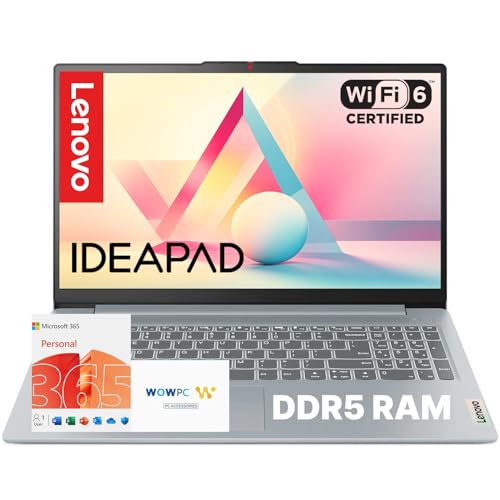
Finding the right laptop is a balance of performance, portability, and price. For most software engineering students, a machine with a solid processor, ample RAM, and a comfortable display will serve you well. If you need a reliable workhorse that won’t break the bank, consider the Lenovo IdeaPad Slim 3i for its balanced specs and durability. If you prefer a bit more power for heavier workloads, the Dell Pro 16 offers excellent performance and a larger display, making it a great investment for your studies.
Frequently Asked Questions
What is the ideal screen size for a software engineering laptop?
A 15.6-inch screen is a popular choice as it offers a good balance between screen real estate and portability. It provides enough space to view multiple windows side-by-side, which is helpful for coding and referencing documentation. If you prioritize portability, a 14-inch model is also a viable option, though you may need to rely more on virtual desktops.
How much RAM do I really need for software engineering in 2026?
For a smooth experience, 16GB of RAM is the sweet spot for software engineering students in 2026. It allows you to run an IDE, a few browser tabs, and maybe a virtual machine without significant slowdowns. While 8GB might handle basic tasks, it can quickly become limiting with modern development tools and multitasking.
Do I need a dedicated graphics card for coding?
No, a dedicated graphics card is not necessary for most software engineering coursework. Integrated graphics, like Intel UHD or Iris Xe, are more than sufficient for compiling code, running virtual machines, and even light photo or video editing. A dedicated GPU becomes important only if you’re into game development, 3D modeling, or machine learning with large datasets.
What is the average battery life I should expect from a student laptop?
Most modern student laptops offer between 7 to 10 hours of battery life on a single charge, depending on usage. For a full day of classes, look for a laptop that can last at least 8 hours. Keep in mind that heavy tasks like compiling code or running virtual machines will drain the battery faster, so having a charger handy is always a good idea.