As an engineering student, you need a laptop that can keep up with demanding software like CAD, MATLAB, and simulation tools. Whether you are running complex models, coding, or multitasking between heavy applications, the right machine makes all the difference. In this guide, we have evaluated two standout options from Dell and HP that deliver the performance, display quality, and durability required for engineering coursework in 2026. For more insights on student laptops, check out our roundup of best HP laptops for students.


Buying Guide
Processor and RAM: The Heart of Performance
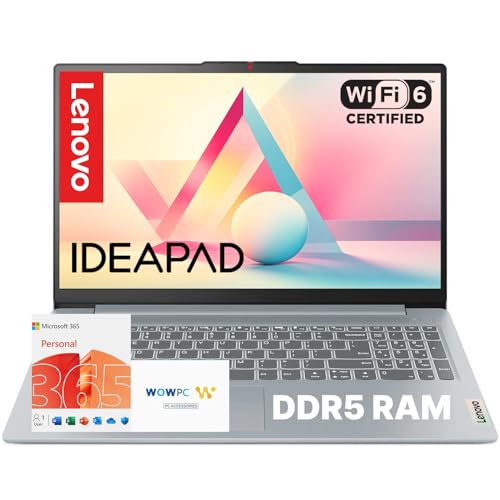
For engineering tasks, a powerful processor and ample RAM are non-negotiable. Look for at least a Ryzen 5 or Intel Core i5, with 16GB of RAM to handle virtual machines, simulations, and multitasking. The Dell model features an AMD Ryzen 7 with 16GB DDR5, while the HP offers a Ryzen 5 with 16GB DDR4. Both provide smooth performance for your coursework.
Display and Portability
A large, high-resolution display helps you view schematics and code without strain. The Dell has a 16-inch FHD+ touchscreen with a 16:10 aspect ratio for extra vertical space, while the HP offers a 17.3-inch FHD IPS anti-glare screen. Consider portability: the Dell weighs 4.18 lbs, making it easier to carry between classes. If you prefer a larger workspace, the HP is a solid choice.
Storage and Connectivity
Fast storage speeds up file access and boot times. Both laptops use SSDs, with the Dell offering 256GB and the HP a generous 1TB. For connectivity, ensure you have USB-C, HDMI, and Wi-Fi 6 for fast data transfers and external monitor support. The Dell includes USB-C with DisplayPort and Power Delivery, ideal for docking setups.
For more on choosing the right laptop for online learning, see our guide on best laptops for online classes.
Battery Life and Build Quality
Long battery life keeps you productive between lectures. The HP features fast charge technology that restores 50% battery in about 45 minutes. Both laptops have durable builds with backlit keyboards for late-night study sessions. The Dell’s carbon black chassis is sleek and portable, while the HP includes a numeric keypad for data entry.
Final Thoughts
After evaluating both options, the Dell 16″ Touchscreen Laptop 2026, AMD Ryzen 7 170 stands out for engineering students who need top-tier processing power and a responsive touchscreen, making it ideal for CAD and 3D modeling. Meanwhile, the HP 17 Inch FHD Laptop Computer for Business offers a larger display and massive 1TB storage at a more accessible price point, perfect for students who handle large datasets and prefer a spacious screen. Both are excellent choices for 2026.
Frequently Asked Questions
What specs do I need for an engineering laptop in 2026?
Aim for at least a Ryzen 5 or Intel i5 processor, 16GB RAM, and a dedicated GPU if you do heavy rendering. SSDs are essential for speed. Both the Dell and HP reviewed here meet these criteria with room to spare. For more options, browse our laptops category.
Is a touchscreen useful for engineering students?
Yes, a touchscreen can be helpful for sketching diagrams, annotating documents, and navigating software. The Dell model includes a responsive touchscreen that adds versatility without sacrificing performance.
Which laptop is better for CAD: Dell or HP?
The Dell with its AMD Ryzen 7 processor and 16GB DDR5 RAM is better suited for demanding CAD applications, while the HP with its larger screen and ample storage is great for multitasking and data-heavy projects. Your choice depends on your specific workload.
Can these laptops run simulation software smoothly?
Both laptops are capable of running simulation software like ANSYS or Simulink, thanks to their multi-core processors and sufficient RAM. The Dell’s higher clock speed gives it an edge for computationally intensive tasks.