You’ve just started a new Python project, your code editor is open, and you’re ready to dive into data analysis or machine learning. But as you hit run, your laptop fans spin up loudly, the screen stutters, and you’re left waiting for simple scripts to execute. This is a familiar pain for many developers, and it’s why choosing the right machine matters more than you might think. This guide is for programmers, data scientists, and students who need a laptop that can keep up with Python’s demands without breaking the bank.
We’ve evaluated a range of options to help you find the perfect fit for your coding workflow. Whether you’re a beginner exploring your first lines of code or a seasoned professional building complex applications, our top picks focus on the key specs that matter most: processor speed, RAM, storage, and keyboard comfort. Plus, we’ve included some fun, practical accessories that every coder will appreciate. Let’s dive in and find your ideal coding companion.



Buying Guide
Processor Performance for Python
The CPU is the heart of any Python laptop. Python is an interpreted language, so it relies heavily on single-core performance for most tasks. Look for a modern processor, like an Intel Core i5 or i7 (or AMD equivalent), to ensure your scripts run smoothly.
For data-heavy projects or machine learning, consider a processor with more cores and threads. This will speed up parallel processing tasks significantly. If you’re on a budget, a capable mid-range chip will still handle most coding workloads with ease.
RAM and Storage for Seamless Multitasking
When you’re running a code editor, a web browser, and a few terminal windows, RAM is your best friend. For Python programming, 8GB is the minimum, but 16GB is the sweet spot for smooth multitasking. If you work with large datasets, consider 32GB or more.
For storage, an SSD (Solid State Drive) is non-negotiable. It dramatically speeds up boot times, application launches, and file access. A 512GB SSD is a good starting point, but you can never have too much space for virtual environments and project files.
Portability and Battery Life for Coders on the Go
If you’re a student or a freelancer who works from coffee shops, portability is key. Look for a laptop that is lightweight and has a long battery life, ideally eight hours or more. This allows you to code all day without constantly searching for a power outlet.
A comfortable keyboard is also crucial for long coding sessions. Backlit keys are a bonus for late-night work. If you’re always moving, consider a durable build and a high-resolution display for crisp text and graphics.
Operating System and Ecosystem
Your choice of operating system can significantly impact your Python experience. Many developers prefer macOS or Linux for their Unix-based terminals and package managers. Windows has also become more developer-friendly with Windows Subsystem for Linux (WSL).
Think about the tools and libraries you plan to use. Some data science tools have better support on certain operating systems. Also, consider your existing devices, like your phone or tablet, and how they integrate with your laptop. For more insights, check out our guide to the best laptops for coding and top programming laptops.
Final Thoughts
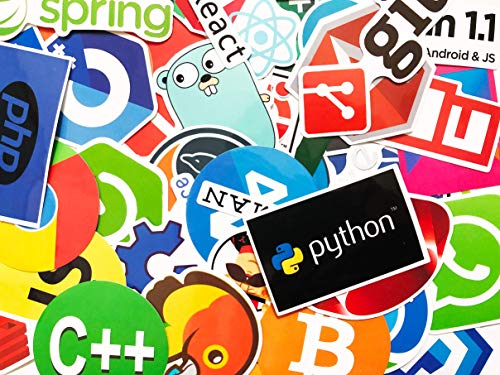
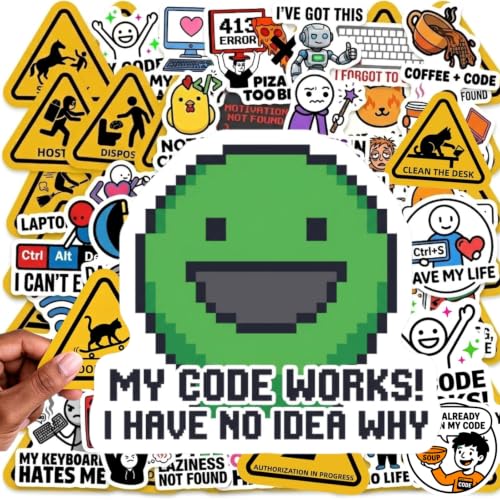
Choosing the right laptop for Python programming is a personal decision, but we’re confident that focusing on processor, RAM, and portability will set you up for success. For a budget-friendly way to personalize your new machine, consider the 100 PCS Programming Stickers for Developers to show off your coding pride. And if you’re looking for a hands-on learning tool, the KEYESTUDIO Micro:Bit V2 Starter Kit is a fantastic addition for experimenting with hardware. Whichever you choose, we hope you find the perfect companion for your coding journey.
Frequently Asked Questions
What is the ideal screen size for Python programming?
The ideal screen size depends on your workspace and mobility needs. A 13- to 14-inch display is a great balance between portability and usability, while a 15-inch or larger screen offers more screen real estate for code and documentation. If you often work on complex projects, a larger screen can reduce eye strain and improve productivity.
Do I need a dedicated graphics card for Python?
For most Python programming, a dedicated graphics card is not necessary. Integrated graphics are sufficient for writing and running scripts, web development, and basic data analysis. However, if you’re into machine learning, computer vision, or 3D rendering, a dedicated GPU will significantly accelerate these tasks. In that case, look for laptops with NVIDIA or AMD discrete graphics.
Can I use a Chromebook for Python programming?
Yes, you can use a Chromebook for Python programming, but there are limitations. You’ll need to use Linux (Crostini) or a web-based IDE like Google Colab. Modern Chromebooks with good processors and enough RAM can handle basic Python scripts, but they might struggle with heavy libraries or local development. If you’re a beginner, a Chromebook can be a cost-effective way to start, but for more serious work, a traditional laptop is recommended.
How much RAM do I really need for Python in 2026?
For 2026, 16GB of RAM is the recommended sweet spot for most Python developers. It allows you to run multiple applications, virtual environments, and even some data analysis tools without slowdowns. If you work with large datasets, image processing, or heavy data science libraries, consider 32GB to future-proof your setup. For simple scripts and learning, 8GB is still workable, but it may become limiting.
If you’re also exploring web development, you might find our best laptops for web development article useful. And for those interested in software engineering, check out our top picks for software engineers.