You’re a music student with a backpack full of ambition, a head full of melodies, and a laptop that can barely handle a playlist, let alone a digital audio workstation. Whether you’re composing on the bus, mixing in the dorm, or recording a practice session between classes, the right laptop can make or break your creative flow. This guide focuses on the best student laptops for music in 2026, balancing processing power, storage, and portability so you can stay productive wherever inspiration strikes.
We’ve handpicked three student-friendly models, each with different strengths to match your musical needs and study habits. From ultra-portable options for commuters to more powerful machines for heavier production, there’s something here for every aspiring musician. If you’re also curious about gaming-capable laptops for music, check out our top student gaming laptops for a different perspective on performance.


Buying Guide
Processor Performance
When you’re running a digital audio workstation like Ableton, FL Studio, or Logic, the processor is the heart of your music production. For basic tasks like notation or playback, an entry-level chip works fine. But as you add more tracks, virtual instruments, and effects, you’ll want a faster multi-core processor to avoid lag and dropouts.
For student musicians, look for at least an Intel Core i3 or equivalent to handle moderate multitasking. If your budget allows, consider a more powerful chip for smoother performance in larger projects. For more insight on powerful laptops, our guide to student laptops for gaming highlights performance-oriented options that also work well for music.
RAM and Storage
Music software can be a memory hog, especially when you’re using sample libraries or running multiple plugins. A minimum of 8GB of RAM is recommended for smooth multitasking, while 12GB or more provides extra headroom for complex projects. Storage is equally important; SSDs load projects and samples faster than traditional hard drives.
For students, a 256GB SSD is a sweet spot, but you can always expand with external drives or cloud storage. If you’re on a tight budget, some laptops offer expandable storage options, which can be a lifesaver for your ever-growing music library.
Portability and Battery Life
As a student, you’re always on the move, so a lightweight and compact laptop is essential for carrying between classes, the library, and practice rooms. Look for models under 4 pounds if possible, and consider a smaller screen size for better portability. Battery life is equally crucial; you don’t want your laptop dying in the middle of a lecture or a recording session.
We recommend aiming for at least 8 hours of real-world battery life, though this can vary based on your software and usage. If you’re frequently away from outlets, prioritize models with fast-charge capabilities to top up quickly during breaks.
Connectivity and Ports
Music production often requires connecting external devices like audio interfaces, MIDI controllers, or studio monitors. Having a variety of ports is essential, so look for laptops with at least two USB-A ports, a USB-C port, and a headphone jack. Bluetooth and Wi-Fi 6 are also valuable for wireless headphones and stable file transfers.
If you plan to use external monitors for a larger workspace, check for HDMI or DisplayPort outputs. For more tips on choosing the right laptop, browse our laptop category for additional buying guides and recommendations.
Final Thoughts
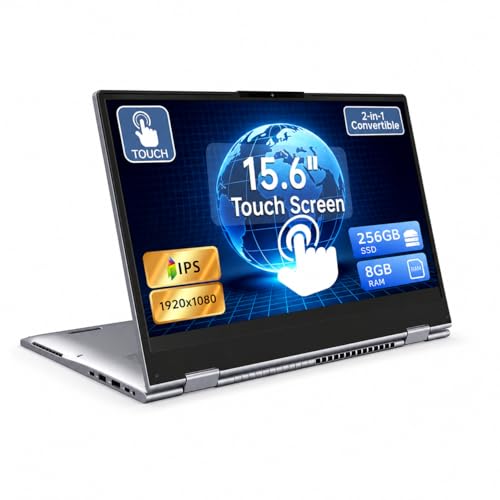
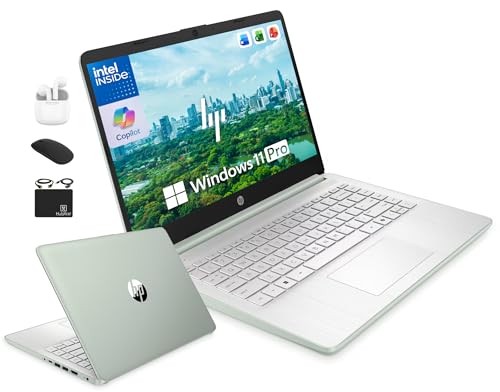
Choosing the right laptop for your music studies comes down to balancing performance, storage, and portability within your unique needs. For a budget-friendly option that handles everyday tasks and light music production, the HP 14″ Ultra-Light Laptop for Student & Home is a solid pick, while the Windows 11 Laptop with i3 Processor 15.6″ Work offers more power and memory for heavier projects. No matter which you choose, you’ll be equipped to create, practice, and perform with confidence.
Frequently Asked Questions
What specs do I need for music production as a student?
For music production, you’ll want at least an Intel Core i3 or equivalent processor, 8GB of RAM, and a 256GB SSD. These specs ensure smooth performance for DAWs, plugins, and sample libraries. If you’re working with larger projects, consider 12GB of RAM and a faster processor to avoid lag.
Can I produce music on a budget laptop?
Yes, you can start producing music on a budget laptop, but you may need to optimize your workflow. Stick to lighter DAWs, limit the number of plugins, and use audio interfaces to reduce latency. As your skills grow, you can upgrade to a more powerful machine later.
Is a backlit keyboard important for music students?
A backlit keyboard is not essential for music production, but it’s helpful for late-night practice or recording sessions in dimly lit rooms. It can also be convenient for using keyboard shortcuts in your DAW. If you often work in low-light conditions, it’s a nice feature to have.
How much storage do I need for music files?
Music files can take up significant space, especially high-quality WAV or AIFF files. A 256GB SSD is a good starting point, but you’ll likely need external storage or cloud backups for your library. Consider a laptop with expandable storage options, such as an SD card slot or extra M.2 slot, to future-proof your setup.