

You want to photograph the Milky Way, the Orion Nebula, or a crisp lunar crater, but your smartphone camera alone just cannot reach that far. Yet with the right accessories, your phone becomes a powerful astrophotography tool. In this guide, we have evaluated the best adapters, telescopes, eyepieces, and filters that let you capture breathtaking deep-space images using the phone you already own. Whether you are a beginner or a seasoned night-sky enthusiast, these tools will help you frame, stabilize, and enhance your shots.
We have sorted through dozens of products from trusted brands like Celestron, Gskyer, and Kase. For context on choosing a clean Android experience for astrophotography, check our review of smartphones without bloatware for consistent camera performance. Now let us look at the gear that makes smartphone astrophotography possible.




Buying Guide: What to Look for in Smartphone Astrophotography Gear
Universal Smartphone Compatibility
Not every adapter fits every phone. The best accessories offer adjustable clamps and spring-loaded mechanisms that securely hold devices of all sizes, including large camera modules. Look for adapters that work with common phone cases to avoid removing them each time. The Celestron NexYZ DX Smartphone Adapter provides three-axis adjustment and fits most phones even with cases, making it a versatile pick.
Telescope Aperture and Focal Length
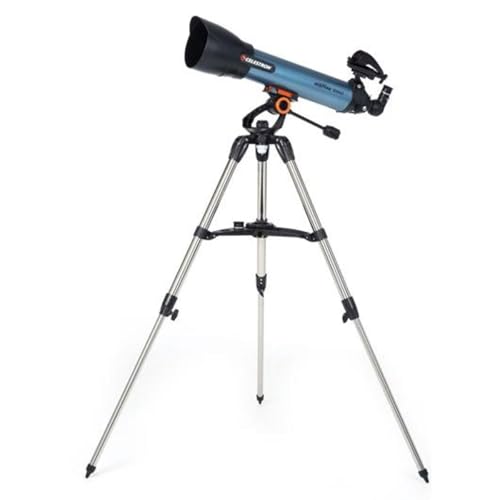
A wider aperture gathers more light, essential for faint deep-sky objects. For planetary and lunar imaging, a focal length around 400 to 500 mm works well. Beginners often start with a 70 mm refractor or a 114 mm reflector. The Celestron Inspire 100AZ Beginner Refractor features a 100 mm aperture and a built-in smartphone adapter, simplifying your first steps. If you prioritize portability, the Gskyer Telescope, 70mm Aperture 400mm AZ Mount packs into a carry bag for travel.
Image Stabilization and Remote Shutter
Vibration ruins long-exposure astrophotography. A Bluetooth remote lets you trigger the shutter without touching the phone. Some adapters and telescopes include a remote; others require a separate purchase. The Celestron NexYZ DX includes a Bluetooth shutter release. For outdoor sessions in remote areas, consider pairing your gear with a rugged outdoor watch to track time and weather.
Light Pollution Filters
Urban skyglow washes out nebula and galaxy details. A didymium or neutral density filter cuts unwanted artificial light while preserving natural star colors. The Kase Didymium Neutral Night Universal Magnetic filter attaches magnetically to any smartphone and reduces light pollution effectively. For deep-sky imaging, a dedicated astronomy camera like the Telescope Accessories ATR3CMOS08300KPA 585 offers a larger sensor and higher sensitivity.
Final Thoughts
Smartphone astrophotography is more accessible than ever when you pair your device with the right gear. For a beginner who wants a complete, portable setup, the Gskyer Telescope, 70mm Aperture 400mm AZ Mount offers an excellent bundled experience with a phone adapter and wireless remote. For more advanced users seeking precision and flexibility, the Celestron NexYZ DX Smartphone Adapter combined with a quality telescope like the Celestron Inspire 100AZ delivers outstanding results. Whichever path you choose, the cosmos awaits your lens.
Frequently Asked Questions
Can I use any smartphone for astrophotography?
Yes, most modern smartphones can capture the Moon and bright planets. For deep-sky objects, you will benefit from a phone with manual exposure controls and a decent sensor. Phones with minimal bloatware often perform better in low light, as detailed in our guide to clean Android smartphones. The accessories listed here work with iPhones, Samsung Galaxy, Google Pixel, and many others.
Do I need a telescope to take astrophotographs with my phone?
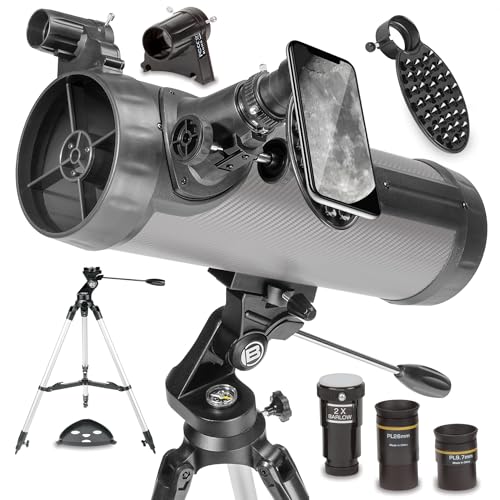
Not always. You can capture star trails and wide-field Milky Way shots using just a tripod and a long exposure app. However, for detailed views of planets, the Moon, and deep-sky objects, a telescope is essential. The National Geographic 114mm Reflector Telescope offers a large aperture at a low price point and includes a smartphone adapter.
How do I keep my phone steady during long exposures?
Use a sturdy tripod and a remote shutter release. Many adapters come with Bluetooth remotes. A WiFi eyepiece like the Astronomy WiFi Telescope Camera Eyepiec,e lets you control the capture from your phone wirelessly, reducing vibration. Also, consider using a magnetic filter mount that does not add bulk.
What is the best smartphone for astrophotography in 2026?
The best smartphone for astrophotography balances low-light sensor performance, manual camera controls, and battery life. Flagships like the Google Pixel 8 Pro and Samsung Galaxy S24 Ultra excel. However, with the right adapters and filters, even mid-range phones can capture impressive images. For tips on maximizing performance, see our article on smartphones optimized for demanding tasks.


