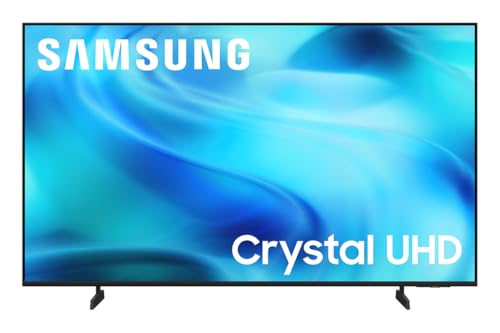
When you settle in for movie night, you want every explosion, sunset, and shadow to pop with lifelike depth. That is where HDR technology makes the difference. High Dynamic Range expands the contrast between the brightest whites and the deepest blacks, revealing details you might have missed on a standard TV. Whether you are a cinephile, a competitive gamer, or just someone who loves vibrant sports broadcasts, choosing the best HDR TVs for 2026 is essential. In this guide, we have evaluated four top models from Samsung, TCL, and Hisense to help you find the perfect match for your space and viewing habits.
If you are also exploring other display technologies, our guide to the best smart TVs offers additional context on smart features and platforms.


Buying Guide: What to Look for in a Top HDR TV
HDR Format Support
Not all HDR is created equal. The most common formats are HDR10, HDR10+, Dolby Vision, and HLG. Dolby Vision uses dynamic metadata to adjust brightness and colors scene by scene, while HDR10+ offers similar advantages. For the widest compatibility, look for a TV that supports multiple HDR formats. All four TVs in our list support HDR10 and HLG, but the TCL and Hisense models also include Dolby Vision for a more refined picture. The Samsung F6000 focuses on core HDR for its price point, while the TCL and Hisense models go further with premium formats.
Panel Technology and Brightness
HDR performance depends heavily on a panel’s ability to produce bright highlights and deep blacks. QLED (Quantum Dot) technology, used by the TCL T7 series, delivers a wide color gamut and high peak brightness. The Hisense U6 Pro goes a step further with Mini-LED backlighting, which uses hundreds of tiny LEDs to control local dimming with greater precision. This results in improved contrast and reduced blooming around bright objects. The Samsung F6000 uses a standard Full HD panel with basic HDR handling, making it suitable for smaller rooms or casual viewing.
Refresh Rate and Gaming Features
If you play fast-paced games or watch sports, a higher refresh rate reduces motion blur and keeps action smooth. The TCL 55″ and 65″ T7 models feature a 144Hz panel (with 120Hz support), making them excellent for next-gen consoles. The Hisense 75″ U6 Pro offers a native 144Hz refresh rate with MEMC frame insertion for fluid motion. Even the Samsung F6000, with its 60Hz panel, handles casual content well. For serious gamers, the TCL and Hisense sets provide variable refresh rate (VRR) and low input lag.
To explore more about different screen sizes and technologies, check our comprehensive list of Best TVs of 2026.
Audio Capabilities
A great picture deserves great sound. The Samsung F6000 includes Object Tracking Sound Lite, which creates a virtual surround effect that follows on-screen action. The TCL T7 series comes with Dolby Atmos support for spatial audio. The Hisense U6 Pro has a built-in subwoofer for deep bass without an external speaker. If you plan to use a soundbar, look for models with eARC support; all four TVs offer that compatibility. Audio quality matters for immersion, especially when watching HDR movies that rely on precise sound design.
Final Thoughts
After reviewing these four HDR TVs, we recommend the TCL 55″ T7 4K QLED Google TV with 144Hz for buyers who want a fantastic balance of HDR quality, gaming performance, and a reasonable screen size. For a more compact option that still delivers solid HDR and smart features, the SAMSUNG 32-Inch Class Full HD F6000 Smart TV is ideal for bedrooms or smaller living spaces. Both models bring excellent value and support the HDR formats you actually use, making every movie and game more immersive.
Frequently Asked Questions
What HDR formats should I look for in a new TV?
Ideally, choose a TV that supports Dolby Vision and HDR10+. These dynamic formats adjust brightness and color per scene for a more accurate picture. HDR10 is standard and found on all HDR TVs. HLG is common for broadcast content. The TCL and Hisense models in our list cover all these bases, while Samsung focuses on HDR10 and HLG.
Is a 144Hz refresh rate worth it for watching movies?
For movies at standard 24fps, a 60Hz panel is sufficient. However, a 144Hz panel reduces motion blur during fast action scenes and sports, and it is excellent for gaming. If you watch a lot of sports or play games, the higher refresh rate is a valuable upgrade. The TCL 65″ T7 and Hisense 75″ U6 Pro both offer native 144Hz.
Do I need a soundbar with an HDR TV?
Not necessarily. The Hisense U6 Pro has a built-in subwoofer for rich bass, and the Samsung F6000 features Object Tracking Sound Lite for an immersive experience. But if you want true cinematic audio, a soundbar with Dolby Atmos can enhance the HDR experience. Check our TVs category page for more buying advice.
Does screen size affect HDR quality?
Screen size does not directly affect HDR quality, but larger screens can reveal more detail because you see more of the picture. A 75-inch Mini-LED TV like the Hisense U6 Pro showcases HDR highlights more dramatically in a dim room. Smaller screens, like the 32-inch Samsung, still deliver good HDR contrast but may not have the same peak brightness. Choose size based on your viewing distance and room lighting.