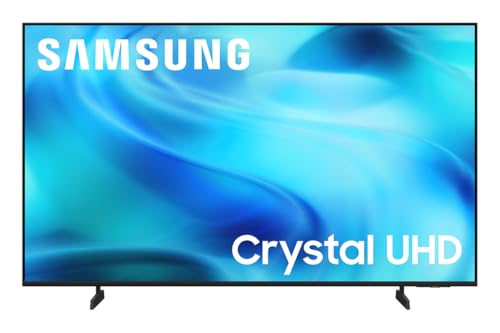
Upgrading to a 42 inch TV in 2026 means balancing size, picture quality, and smart features for your living room or gaming den. Whether you are a movie enthusiast craving perfect blacks or a competitive gamer needing ultra-smooth motion, this guide covers the top contenders from LG, Samsung, and Sylvania. We have evaluated each model on display technology, gaming performance, and overall value to help you make a confident choice. For those who prioritize high refresh rates, check our roundup of the best 4K 120Hz TVs as well.


Buying Guide for 42 Inch TVs
Display Technology: OLED vs. LCD
The most critical factor is the panel type. OLED TVs, like the LG C6 and C5 series, use self-lit pixels to deliver perfect blacks, infinite contrast, and vibrant colors from any viewing angle. They excel in dark rooms and for HDR content. LCD models, such as the Sylvania LC420SS8, are more affordable but rely on backlighting, which can lead to less deep blacks and narrower viewing angles. For top-tier HDR performance, we recommend exploring our guide to the best dolby vision TVs and best HDR TVs.
Smart TV Platform and Features
LG uses webOS with Google Gemini and Microsoft Copilot integration in its 2026 models, offering intuitive navigation and voice control. Samsung relies on Tizen with Alexa built-in, providing a robust app ecosystem and seamless connectivity with other Samsung devices. Both platforms support major streaming services and offer free ad-supported channels. If you prefer a traditional LED backlight, the best LED TVs guide covers alternatives with different smart systems.
Gaming Performance
For console and PC gaming, look for high refresh rates, low response times, and HDMI 2.1 inputs. The LG C6 series supports up to 165Hz, while the Samsung S90F offers 144Hz. Both feature NVIDIA G-Sync and AMD FreeSync Premium for tear-free gameplay. The Sylvania LC420SS8 is limited to 60Hz and lacks VRR, making it unsuitable for competitive gaming. Our best 4K 120Hz TVs article details more options for serious players.
Connectivity and Ports
Ensure the TV has enough HDMI ports for your devices. Most modern OLEDs include four HDMI 2.1 inputs, supporting eARC for high-quality audio. The Sylvania model offers two HDMI and one PC input, which may suffice for basic setups. USB ports, Wi-Fi, and Bluetooth are standard on all models here. For a broader overview of TV categories, visit the TVs section.
Final Thoughts
After careful comparison, we believe the LG 42-Inch Class OLED evo AI 4K C6 Series stands out as the ultimate choice for cinephiles and gamers who want cutting-edge picture quality and the highest refresh rates, while the Samsung 42-Inch Class OLED S90F 4K Smart TV offers a slightly more affordable yet still excellent OLED experience with robust AI upscaling and gaming features. Both deliver outstanding performance, and your final decision should hinge on whether you prefer LG’s webOS ecosystem or Samsung’s Tizen platform.
Frequently Asked Questions
What is the best 42 inch TV for gaming in 2026?
For competitive gaming, the LG C6 series with its 165Hz refresh rate, 0.1ms response time, and HDMI 2.1 inputs is a top pick. The Samsung S90F is also excellent with 144Hz and VRR support. Both support NVIDIA G-Sync and AMD FreeSync Premium. For more details, see our guide on best 4K 120Hz TVs.
Is OLED worth it for a 42 inch TV?
Yes, if you value perfect blacks, infinite contrast, and wide viewing angles. OLED panels from LG and Samsung deliver superior picture quality in dark rooms and for HDR content. The higher cost is justified for movie lovers and serious gamers. LCD models like the Sylvania are more budget-friendly but lack the same depth and vibrancy.
Can I use a 42 inch TV as a computer monitor?
Absolutely, especially with OLED models that offer low input lag and high refresh rates. The LG C6 and Samsung S90F support 4K at 144Hz or higher, making them excellent for productivity and gaming. Ensure your desk depth is sufficient and consider using a monitor arm for ergonomic positioning.
What is the difference between OLED and LCD 42 inch TVs?
OLED TVs use self-lit pixels for true blacks and vibrant colors, while LCD TVs rely on a backlight, which can cause grayish blacks and narrower viewing angles. OLED is generally more expensive but offers superior contrast and response times. LCD models like the Sylvania are more affordable and still provide decent picture quality for casual viewing.