

You have just finished a long session of your favorite game, but something felt off. The motion seemed blurry during fast scenes, and the colors lacked the punch you expected. If you are serious about gaming, a 4K TV with high refresh rates and low input lag can transform your experience. In this guide, we break down the best 4K gaming TVs for 2026 covering models from Samsung, TCL, Hisense, and INSIGNIA. Whether you play on console or PC, there is a display here that will elevate every frame. For a broader look at the category, check out our comprehensive guide to the best 4K gaming TVs.


Buying Guide for 4K Gaming TVs
Refresh Rate and Motion Handling
For gaming, a high refresh rate is crucial. Look for TVs that offer at least 120Hz native refresh, with some models reaching 144Hz. This ensures fast-paced action appears smooth without tearing or stutter. The TCL QM6K series, for instance, boasts a 144Hz panel, while Samsung’s Motion Xcelerator technology helps estimate and adjust frame transitions. If you play competitive shooters or racing games, prioritize a panel that can handle high frame rates.
HDR Support and Color Accuracy
High Dynamic Range (HDR) brings out details in both shadows and highlights. Look for support for Dolby Vision, HDR10+, and HLG. Hisense’s E6 Cinema Series offers a Total HDR Solution with Dolby Vision and HDR10+ Adaptive, while TCL’s QLED models cover nearly the entire DCI-P3 color space. For vibrant, lifelike colors, Mini LED and QLED technologies outperform standard LED. The Samsung M70H series uses Mini LED for deeper blacks and brighter highlights.
Input Lag and Gaming Features
Low input lag is essential for responsive gameplay. Many modern TVs include Auto Low Latency Mode (ALLM) and Variable Refresh Rate (VRR) to reduce delay and eliminate screen tearing. The TCL T7 series and the Samsung U8000H models support these features, making them great choices for console gaming. Additionally, Game Mode Plus on Hisense TVs optimizes settings for a lag-free experience. For more details on specific sizes, see our picks for best 55 inch 4K TVs and best 65 inch 4K TVs.
Panel Technology: QLED, Mini LED, and OLED Alternatives
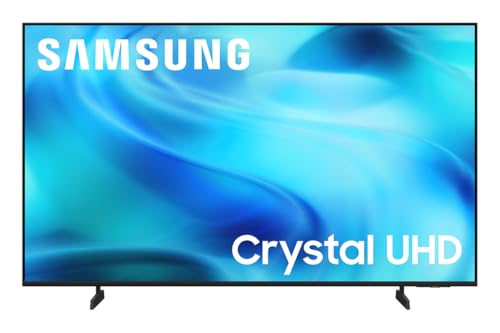
The panel type directly affects contrast, brightness, and viewing angles. QLED and Mini LED TVs offer excellent brightness and color volume without the risk of burn-in. The TCL QM6K combines Mini LED with Quantum Dots for over a billion colors. Meanwhile, Samsung’s Crystal UHD series uses a 4K processor to upscale content. If you want a balance of performance and value, consider the best 50 inch 4K TVs for a compact gaming setup.
Final Thoughts
After evaluating the top contenders, we recommend the Samsung 55-Inch Class M70H Series, Mini LED, 4K for its outstanding Mini LED contrast and smooth motion handling, and the TCL 55 Inch Class QM6K Series for its exceptional brightness and 144Hz refresh rate that will satisfy even the most demanding gamers. Both deliver stunning visuals and low input lag, ensuring your gaming sessions feel immersive and responsive.
Frequently Asked Questions
What refresh rate do I need for 4K gaming?
For most gamers, a 120Hz panel is sufficient for smooth gameplay. If you play competitive titles, a 144Hz TV like the TCL QM6K provides an extra edge. The difference is most noticeable in fast-paced scenes, so choose according to your preferred genres.
Is Mini LED better than QLED for gaming?
Mini LED is an advancement of QLED that offers finer local dimming, resulting in deeper blacks and higher contrast. For gaming, Mini LED TVs like the Samsung M70H series can deliver more detailed dark scenes without blooming. QLED remains excellent for bright rooms and vibrant colors.
Can I use a 4K TV for PC gaming?
Absolutely. Many 4K TVs now support HDMI 2.1, which enables 4K at 120Hz or 144Hz. Models like the TCL T7 series and Samsung U8000H work well with PCs. Just ensure your graphics card can handle the resolution and frame rates. For more advice, browse our TVs category for additional guides.
What is the difference between Dolby Vision and HDR10+?
Both are dynamic HDR formats that adjust brightness and color scene by scene. Dolby Vision is more widely adopted in streaming services, while HDR10+ is used by some platforms and content creators. Many TVs like the Hisense E6 support both, ensuring compatibility with a wide range of movies and games.


