

If you are a content creator or photographer who needs one camera for both stunning photos and high-quality video, a hybrid mirrorless camera is the ideal tool. These cameras combine advanced still imaging with powerful video features, saving you from carrying multiple bodies. In this guide, we review the best hybrid mirrorless cameras for 2026, focusing on models that balance resolution, autofocus, and video specs. Whether you are upgrading from a smartphone or building a professional kit, there is a hybrid here for you. If you are also looking for a lighter travel option, check out our picks for best lightweight mirrorless cameras.



Buying Guide: What to Look for in a Hybrid Mirrorless Camera
Sensor Size and Resolution
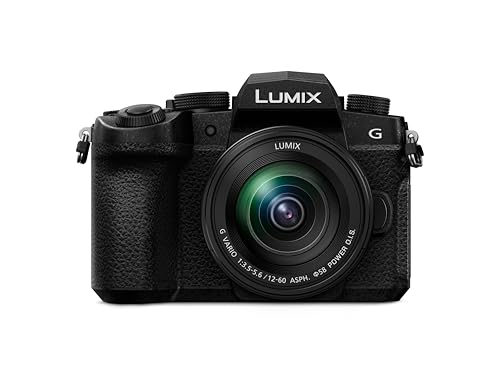
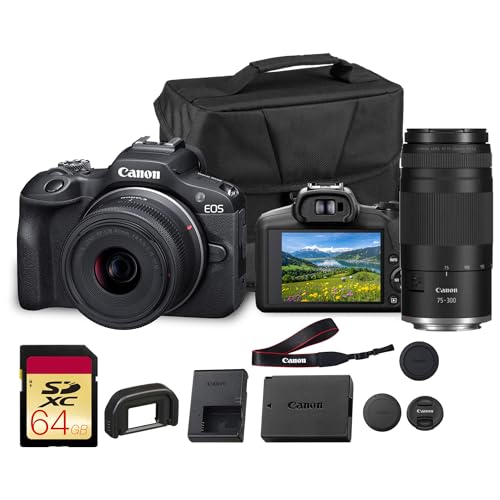
Hybrid cameras come in full-frame, APS-C, and Micro Four Thirds sensors. Full-frame models like the Sony Alpha 7 IV and Nikon Z 8 deliver excellent low-light performance and shallow depth of field. APS-C cameras such as the Canon EOS R50 offer a good balance of quality and portability. Micro Four Thirds bodies like the Panasonic LUMIX G97 are compact and lightweight, ideal for travel. Your choice depends on how much weight you are willing to carry versus how much image quality you need. For a deeper comparison, see our guide to best APS C mirrorless cameras.
Video Capabilities and Recording Formats
Today’s hybrid cameras offer 4K resolution at minimum, with many reaching 8K. Look for 10-bit internal recording, high frame rates for slow motion, and log profiles for color grading. The Nikon Z 8 leads with internal 8K/60p and ProRes RAW. The Sony Alpha 7 IV shoots 4K/60p oversampled from 7K. The Canon EOS R50 offers oversampled 4K/30p and 120p HD. The Panasonic G97 includes V-Log L for cinematic color. If video is your priority, also consider the best compact mirrorless cameras for vlogging.
Autofocus Performance
Reliable autofocus is essential for hybrid shooting, especially when tracking moving subjects. Sony and Canon have industry-leading phase-detect systems with eye and animal tracking. The Nikon Z 8 uses deep learning to detect people, animals, and vehicles even in near darkness. The Panasonic G97 uses contrast-detect with DFD, which is fast for stills but can hunt in video. Choose a camera with real-time tracking and face detection to reduce missed shots.
Ergonomics and Portability
A hybrid camera should feel comfortable during long shoots. Consider weight, grip size, button layout, and viewfinder quality. The Canon EOS R50 is lightweight and has a vari-angle touchscreen, perfect for vlogging. The Sony Alpha 7 IV balances features and size well. The Nikon Z 8 is professional-grade with a large body and excellent weather sealing. For travel, the Panasonic G97 is the smallest option. If you prefer a more compact carry, explore best small mirrorless cameras.
Final Thoughts
Choosing the best hybrid mirrorless camera depends on your specific needs. For a versatile all-rounder that excels in both photo and video, the Sony Alpha 7 IV Full-frame Mirrorless is our top pick, offering a high-resolution sensor, advanced autofocus, and excellent 4K video at a reasonable price point. If you are starting out or need a budget-friendly hybrid for content creation, the Canon EOS R50 Mirrorless Camera RF-S18-45mm delivers impressive quality in a compact body with simple controls and robust autofocus. Both models provide a solid foundation for growing your skills without breaking the bank.
Frequently Asked Questions
What is a hybrid mirrorless camera? A hybrid mirrorless camera is designed to excel at both still photography and video recording. These cameras feature interchangeable lenses and offer advanced features like high-resolution sensors, fast autofocus, and high-quality video encoding. They are ideal for content creators, vloggers, and photographers who want one device for multiple uses.
Do I need a full-frame sensor for hybrid shooting? Not necessarily. Full-frame sensors like those in the Sony Alpha 7 IV and Nikon Z 8 provide excellent low-light performance and depth of field control. However, APS-C and Micro Four Thirds cameras like the Canon EOS R50 and Panasonic G97 are more portable and still deliver great results, especially for online content. Your choice should balance image quality with portability and budget.
Can I use DSLR lenses on a mirrorless hybrid camera? Yes, most mirrorless systems offer adapters for DSLR lenses. For example, Canon and Nikon provide adapters for their respective DSLR mounts. However, autofocus speed and performance may vary. Native mirrorless lenses are optimized for the system, so consider them for best results.
Which hybrid mirrorless camera is best for vlogging in 2026? For vlogging, prioritize a camera with a flip-out screen, good autofocus, and lightweight design. The Canon EOS R50 is a top choice due to its vari-angle touchscreen, subject tracking, and compact size. The Panasonic LUMIX G97 is also great for budget-conscious creators with its built-in stabilization and unlimited 4K recording. Check our best lightweight mirrorless cameras for more options.




