

You are ready to upgrade your photography gear, but the sheer number of Sony Alpha models can feel overwhelming. Whether you are a portrait shooter craving high resolution, a vlogger needing reliable autofocus, or a hybrid creator who wants both stills and video, the right Sony Alpha camera can transform your workflow. In this guide, we have assessed three standout Sony mirrorless bodies: the full-frame Alpha 7 IV, the compact APS-C a6400, and the advanced a6700. Each camera excels in different scenarios, and our hands-on evaluation will help you decide which one fits your style.
We have also compared these Sony models against other top mirrorless options in our broader camera category, including best Nikon professional cameras and best Nikon full-frame cameras, to give you a complete market perspective.

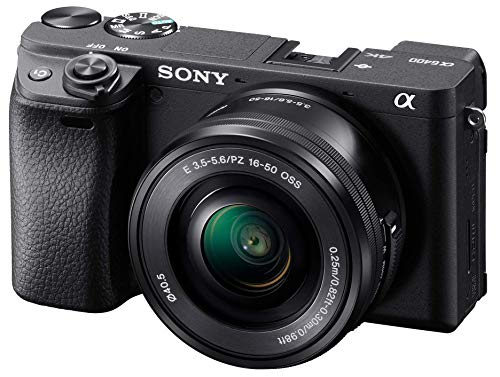
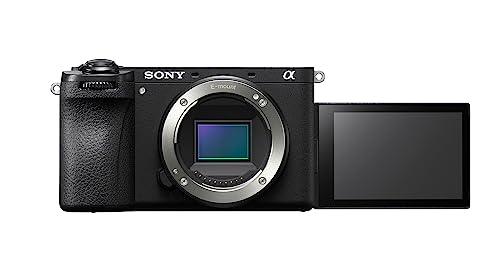

Buying Guide for Sony Alpha Cameras
Choosing the right Sony Alpha camera means balancing sensor size, autofocus performance, video capabilities, and build quality. Here are the key criteria we used during our evaluation.
Sensor Size and Resolution
Full-frame sensors like the 33MP sensor in the Sony Alpha 7 IV offer superior low-light performance and dynamic range, ideal for professional photography. APS-C sensors, found in the a6400 and a6700, are more compact and affordable while still delivering excellent image quality for most users. Your choice depends on whether you prioritize ultimate image quality or portability.
For a deeper look at full-frame options, check our guide on best sony cameras for photography.
Autofocus and Subject Tracking
Sony’s Real-Time Eye AF and AI-based subject recognition are among the fastest in the industry. The Alpha a6700 includes a dedicated AI processor that tracks animals, birds, cars, and humans with remarkable accuracy. The a6400 offers 425 phase-detection points covering 84% of the sensor, making it highly reliable for action shots. The Alpha 7 IV uses a next-generation BIONZ XR engine for even more responsive tracking.
Video Capabilities
If video is a priority, the Alpha 7 IV records 4K 60p with 10-bit 4:2:2 color depth and oversampled 4K from 7K for stunning detail. The a6700 also impresses with 4K 120p high frame rate and 6K oversampled 4K. The a6400, while limited to 4K 30p, still delivers great quality for vlogging and casual use. For a comprehensive video-focused roundup, see best sony cameras for video.
Build and Portability
The a6400 is the lightest and most compact of the three, with a flip screen ideal for vlogging. The a6700 adds weather sealing and a deeper grip for more comfortable handling during long shoots. The Alpha 7 IV is the heaviest but offers professional-grade magnesium alloy construction and dual card slots. Think about how often you will carry the camera and in what conditions.
If you are also exploring other brands, our top Sony cameras for every creator guide covers additional models across the lineup.
Final Thoughts
After evaluating each camera’s real-world performance, we believe the Sony Alpha 7 IV is the best choice for serious photographers who need full-frame resolution and advanced video features, while the Sony Alpha a6700 offers a superb balance of power and portability for hybrid creators who want the latest AI autofocus. Both deliver exceptional image quality and will serve you well for years to come. To explore these models further, visit the product pages: Sony Alpha 7 IV Full-frame Mirrorless and Sony Alpha a6700 APS-C Mirrorless Camera Body 26MP.
Related Guides
Frequently Asked Questions
Which Sony Alpha camera is best for beginners in 2026?
The Sony Alpha a6400 is an excellent entry point due to its compact size, user-friendly interface, and reliable autofocus. It offers great image quality and 4K video without the complexity of full-frame systems. For a more advanced start, the a6700 provides future-proof features like AI tracking and high frame rate video.
Is the Sony Alpha 7 IV good for video?
Absolutely. The Alpha 7 IV records 4K 60p with 10-bit 4:2:2 color, oversampled from 7K, and includes the S-Cinetone color profile for cinematic looks straight out of camera. It is a favorite among hybrid shooters who need both high-resolution stills and professional video.
What is the difference between Sony Alpha a6400 and a6700?
The a6700 features a newer 26MP sensor, a dedicated AI processor for advanced subject recognition, and 4K 120p recording. It also has improved ergonomics and weather sealing. The a6400 is lighter and more affordable, with a 24.2MP sensor and solid autofocus. Your choice depends on budget and whether you need the latest AI capabilities.
Can I use Sony E-mount lenses on all Alpha cameras?
Yes, all three cameras use the Sony E-mount, giving you access to a vast library of native lenses from Sony and third parties. Full-frame lenses work on APS-C bodies with a crop factor, while APS-C lenses are not recommended for full-frame sensors due to vignetting.
For a broader perspective on mirrorless systems, you can also visit our Cameras category page.




