Introduction
Is your home plagued by WiFi dead zones? You are not alone. Many households struggle with weak signals in bedrooms, basements, or backyards. A mesh WiFi extender can solve this by creating a seamless network that blankets your entire home. In this guide, we review the best mesh WiFi extender options for 2026, helping you choose a system that fits your space, device count, and speed needs. Whether you are a gamer, a remote worker, or a smart home enthusiast, we have you covered.
We have evaluated seven top-rated mesh systems from leading brands such as eero, TP-Link, NETGEAR, and ASUS. Our picks range from affordable WiFi 6 solutions to cutting-edge WiFi 7 powerhouses, ensuring there is something for every budget and use case. For more insights, check out our comparison of TP-Link vs NETGEAR.

Pros
- Blazing fast WiFi 7 speeds with BE10000 tri-band performance.
- Massive coverage area (5,800 sq ft) with capacity for over 200 devices.
- Four 2.5G ports plus a 10G port provide exceptional wired connectivity.
- AI-driven roaming ensures seamless transitions between nodes.
- Comprehensive HomeShield security suite with VPN support.
Cons
- Premium price point may be overkill for users without gigabit+ internet or multiple high-bandwidth devices.
- WiFi 7 devices are still rare, so full benefits require compatible clients.
- No built-in modem, so a separate modem is needed for most ISPs.
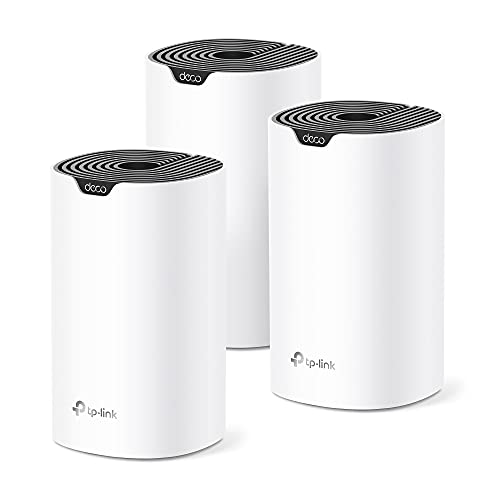
The TP-Link Deco 7 Pro BE63 is a tri-band WiFi 7 mesh system designed for homeowners who demand the absolute best in wireless performance. With a 2-pack covering up to 5,800 square feet and supporting over 200 devices, it's ideal for large smart homes with heavy streaming, gaming, and IoT loads. This system is built for future-proofing, featuring a 10G WAN/LAN port and four 2.5G ports to handle multi-gig internet connections and wired backhaul.
In real-world use, the Deco 7 Pro delivers stunning speeds on the 6 GHz band (up to 5,188 Mbps) and intelligent AI-driven roaming that keeps your connection stable as you move around the house. The tri-band backhaul (both wired and wireless) ensures each node communicates efficiently, reducing latency for time-sensitive tasks like video calls and cloud gaming. The HomeShield security suite adds peace of mind with parental controls and IoT protection.
Design-wise, the white cylindrical units are compact and blend into most decors. Setup is straightforward via the Deco app, and the system automatically updates firmware. The inclusion of a USB 3.0 port allows for local media sharing or network storage.
Potential drawbacks include the high cost, which may not be justified for users with slower internet speeds or fewer devices. Additionally, WiFi 7 client devices are not yet widespread, so you might not see the full speed advantage immediately. The system requires a separate modem, which adds to the initial investment.
Overall, the TP-Link Deco 7 Pro BE63 is a top-tier mesh system for tech enthusiasts and large households who want the fastest, most reliable WiFi available today. It excels in coverage, wired connectivity, and security, making it a strong contender for anyone building a future-proof smart home network.


Pros
- Exceptional WiFi 7 performance with up to 27 Gbps speeds
- Dedicated backhaul maintains fast connections across all nodes
- Covers very large homes up to 10,000 sq ft
- Includes 10 Gig ports for future-proof wired connections
- Supports many devices (up to 200) without lag
Cons
- Very expensive, making it a significant investment
- Some users report occasional need for factory resets
- Requires a separate modem; not a modem-router combo
The NETGEAR Orbi 970 Series is a premium WiFi 7 mesh system aimed at large homes and tech enthusiasts who demand the best wireless performance. With coverage up to 10,000 square feet and speeds up to 27 Gbps, it is designed to handle heavy usage like 8K streaming, online gaming, and VR without buffering or dead zones. This system is ideal for households with many connected devices, up to 200, and those who want a future-proof network for multi-gig internet plans.
Standout features include exclusive Quad-Band technology with Enhanced Dedicated Backhaul, which reserves a dedicated wireless lane for satellite traffic. This ensures that every device stays fast even during peak usage, a clear upgrade over older mesh systems. Real-world performance, as noted in user reviews, shows significant improvements in signal strength in previously weak areas, though gains can vary depending on home layout and construction materials.
Design-wise, the Orbi 970 units are sleek and compact, measuring about 11.6 x 5.7 x 5.2 inches each. They blend well into home decor. The system includes a 10 Gig internet port and additional 10 Gig and 2.5 Gig LAN ports for wired connections, making it easy to connect high-speed devices like gaming PCs or NAS drives. Setup is straightforward using the Orbi app, and the system works with any cable or fiber ISP.
However, there are some drawbacks. The price is very high, which may not be justified for smaller homes or those with modest internet needs. A few users have reported needing factory resets in the first few weeks, and the system does not include a built-in modem, so you must have a separate modem. Also, while NETGEAR Armor offers advanced security, it requires a subscription after the 30-day trial.
Overall, the NETGEAR Orbi 970 Series is a top-tier choice for large properties and power users who want the best WiFi 7 performance and are willing to invest. It delivers on its promises of speed and coverage, but careful consideration of your actual needs and budget is recommended before purchasing.

Pros
- Blazing fast WiFi 7 speeds up to 5 Gbps for demanding applications
- Simple setup process using the Orbi app with guided steps
- Strong whole-home coverage covering up to 6,000 sq ft
- Multi-Gig Ethernet ports (2.5 Gbps) for wired connections
- Comprehensive security features including WPA3 and Armor trial
Cons
- Dual-band design may limit overall performance in very high-density environments compared to tri-band systems
- Some users report satellites occasionally dropping offline, requiring reconnection
- Initial setup may require satellites to be near the base station to avoid failures
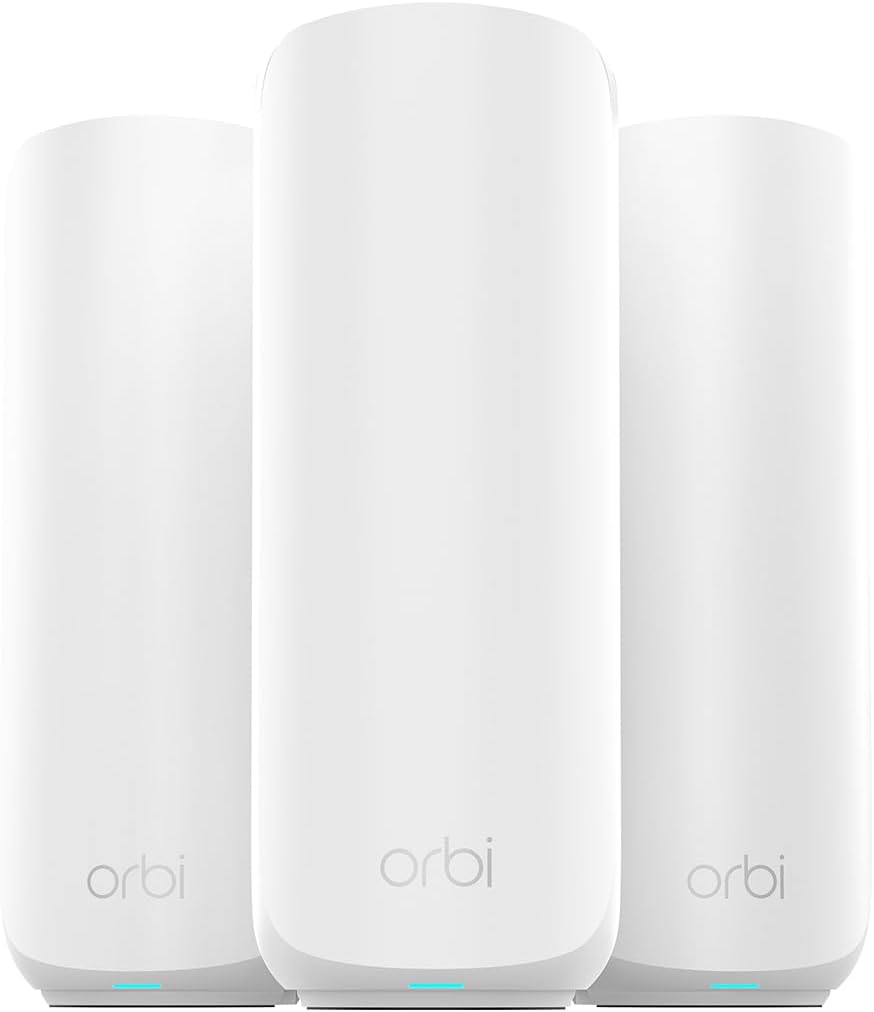
The NETGEAR Orbi 370 Series is a dual-band WiFi 7 mesh system designed for larger homes needing reliable, high-speed coverage. With a router and two satellites covering up to 6,000 square feet and supporting up to 70 devices, it's perfect for families who stream, game, and work from home simultaneously. This system offers a cost-effective entry into the latest WiFi standard without the premium price tag of tri-band alternatives.
Standout features include WiFi 7 speeds up to 5 Gbps, which is 2.4 times faster than WiFi 6, ensuring smooth 8K streaming and lag-free gaming. The Enhanced Backhaul prioritizes the connection between router and satellites, so even bandwidth-heavy tasks like 4K video calls get the needed throughput. Real-world speeds will vary based on your internet plan and devices, but many users report dramatic improvements over older systems.
The Orbi 370 boasts a sleek, understated tower design that blends into any home. Setup is straightforward using the Orbi app, though some users note that keeping satellites near the base station during initial configuration is crucial to avoid connection errors. The system includes 2.5 Gig WAN and LAN ports, making it ready for multi-gig fiber internet plans. Security is robust out of the box with WPA3 encryption, automatic firmware updates, and a 30-day trial of NETGEAR Armor.
However, the dual-band configuration is a notable limitation. Unlike tri-band systems, the Orbi 370 shares spectrum between client devices and backhaul, which can lead to congestion in very dense environments. Additionally, a few reviewers report satellites dropping offline intermittently, though this seems less common with proper placement. Expandability is easy by adding another satellite for up to 2,000 sq ft more coverage.
Overall, the NETGEAR Orbi 370 Series is an excellent choice for anyone wanting to future-proof their home network with WiFi 7 without spending over a thousand dollars. It delivers strong performance, easy management, and solid security for medium to large homes. If you have a very large home or need absolute top-tier speed for many simultaneous high-bandwidth devices, consider a tri-band system, but for most families, this is a fantastic upgrade.

Buying Guide
Coverage Area
The first thing to consider is how much area you need to cover. Mesh systems are rated for specific square footage, from small apartments (under 2,000 sq. ft.) to large homes exceeding 5,000 sq. ft. Always choose a system that matches or slightly exceeds your home’s size to ensure consistent coverage.
For example, the TP-Link Deco 7 Pro covers up to 5,800 sq. ft. with its 2-pack, while the NETGEAR Orbi 370 Series covers up to 6,000 sq. ft. with three units. If you have a multi-story home, consider the number of satellites included. For more on whole-home coverage, see our article on top mesh router systems.
WiFi Standard and Speed
WiFi technology evolves quickly. WiFi 6 offers solid performance for most households, while WiFi 7 delivers even faster speeds, lower latency, and better support for multiple devices. If you have a gigabit internet plan or higher, a WiFi 7 system like the Amazon eero Max 7 or NETGEAR Orbi 970 Series can future-proof your network.
Keep in mind that real-world speeds depend on your internet plan, device compatibility, and home layout. For heavy streaming or gaming, look for systems with multi-gigabit ports and dedicated backhaul channels. Our guide to routers with built-in VPN may also help if security is a priority.
Number of Devices Supported
Smart homes are packed with connected devices: phones, laptops, smart TVs, cameras, and IoT gadgets. A mesh extender must handle many simultaneous connections without slowing down. Many systems support 70 to 250+ devices, but actual performance varies.
For instance, the eero Max 7 handles up to 250 devices, making it ideal for large families or tech-heavy households. The NETGEAR Orbi 370 Series supports up to 70 devices, which suits average homes. Choose based on your current and future device count.
Ease of Setup and Management
No one wants a complicated installation. Most modern mesh systems offer app-based setup that guides you step by step. Look for systems with intuitive apps that let you monitor network health, prioritize devices, and set parental controls.
The NETGEAR Nighthawk and eero apps are particularly user-friendly, while TP-Link’s Deco app provides AI-driven roaming and security features. If you prefer simplicity, a system with a single network name and automatic band steering is best.
Final Thoughts
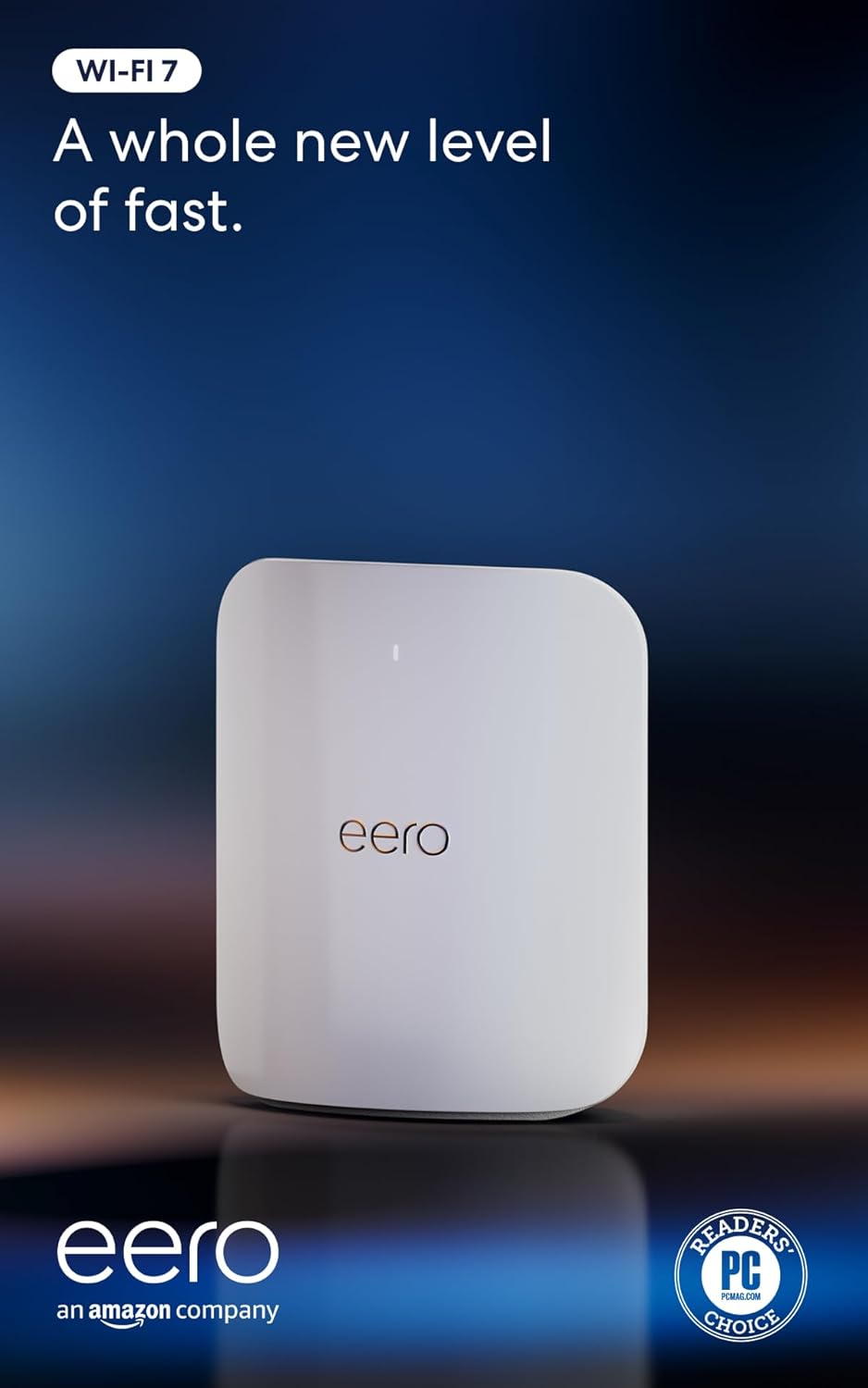
Choosing the best mesh WiFi extender comes down to your home’s size, device count, and speed needs. For those seeking top-tier performance and future-proofing, the Amazon eero Max 7 mesh wifi router (newest model) offers blazing speeds and massive device support. If you want a more budget-friendly yet powerful solution, the NETGEAR Orbi 370 Series WiFi 7 Mesh System delivers excellent coverage and WiFi 7 speeds at a lower price point. Both systems provide a seamless, reliable network that will keep your whole family connected.
Frequently Asked Questions
What is the difference between a mesh WiFi extender and a traditional extender?
A mesh WiFi extender creates a single, unified network with multiple nodes that communicate with each other, eliminating dead zones seamlessly. Traditional extenders often create separate networks that can cause slowdowns and require manual switching. Mesh systems like those from NETGEAR and eero are generally more reliable.
Can I use a mesh WiFi extender with my existing router?
Most mesh systems replace your existing router entirely, but some can be added to an existing network in access point mode. For best performance, it is recommended to use a complete mesh system from the same brand. Check the product specifications to confirm compatibility.
How many satellites do I need for a 3,000 sq. ft. home?
For a 3,000 sq. ft. home, a router plus one or two satellites is usually sufficient. Systems like the TP-Link Deco 7 Pro 2-pack cover up to 5,800 sq. ft., so a 2-pack would work well. For larger homes, consider a 3-pack for optimal coverage.
Is WiFi 7 worth it in 2026?
WiFi 7 offers significant speed and latency improvements over WiFi 6, making it ideal for gaming, 8K streaming, and VR. If you have a multi-gigabit internet plan or plan to upgrade soon, a WiFi 7 system like the Amazon eero Max 7 or NETGEAR Orbi 970 Series is a wise investment. For current internet speeds under 1 Gbps, WiFi 6 remains a solid choice.