You have just finished prepping a beautiful salmon fillet, but your old knife tears the flesh instead of slicing cleanly. You spend extra time fighting with the blade, and the result is uneven, messy cuts. That frustration is exactly why so many home cooks and professionals turn to a Japanese chef knife. These knives are renowned for their incredible sharpness, precision, and edge retention. This guide covers the top five options available for 2026, from budget-friendly workhorses to high-end Damascus showpieces. Whether you are a weekend meal prepper or a serious culinary enthusiast, we have a knife that will transform your time in the kitchen.
For more guidance on selecting the right blade, check out our review of the best chef knife under $100 for additional value picks.
Product Comparison


Buying Guide: What to Look For in a Japanese Chef Knife
Steel Quality and Hardness
The core of any Japanese knife is its steel. High‑carbon stainless alloys like VG‑10, 10Cr15CoMoV, or similar formulations offer an excellent balance of hardness and stain resistance. Hardness, measured on the Rockwell scale (HRC), typically ranges from 58 to 62 for quality Japanese knives. A higher HRC means the blade stays sharp longer, but it also becomes more brittle. For everyday home use, an HRC of 60‑62 is ideal.
Layered Damascus construction combines multiple steel types, creating a beautiful pattern and adding toughness. The outer layers protect a harder inner core, giving you both durability and razor sharpness. Whether you choose a monosteel or Damascus blade, prioritize reputable steel from Japan.
Blade Geometry and Sharpness
Japanese knives are ground to much thinner edges than Western ones, often with a bevel angle of 15 degrees or less. This geometry allows them to slice through ingredients with minimal resistance. A double‑bevel (symmetrical) edge is easier for most cooks to maintain, while a single‑bevel edge is traditional for specific tasks like sushi preparation. Look for a hand‑polished edge that has been verified for consistency.
The shape of the blade also matters. A Gyutou (chef’s knife) has a curved belly good for rocking cuts, while a Santoku has a flatter edge ideal for chop‑and‑slice motions. Choose based on your cutting style.
Handle Ergonomics and Balance
A comfortable handle reduces fatigue during long prep sessions. Traditional Japanese handles (wa‑style) are octagonal or D‑shaped, made from magnolia wood or resin‑stabilized wood. Western‑style handles, often made of Pakkawood or G‑10, provide a more familiar grip with a full tang. The knife should feel well‑balanced, with the weight centered near the bolster or a bit forward for leverage. Test the grip if possible; a slightly rough texture can prevent slipping when your hands are wet.
Versatility and Maintenance
Most Japanese chef knives are multifunctional, but some excel at specific tasks. A Gyutou handles meat, fish, and vegetables with ease. A Santoku is a great all‑rounder with a shorter, lighter blade. Consider what you cook most often. Also factor in maintenance: high‑hardness knives require regular honing and occasional sharpening on water stones. Stainless variants are more forgiving for beginners. For additional tips on keeping your kitchen organized, read our guide on the best vacuum sealer for sous vide.
Final Thoughts
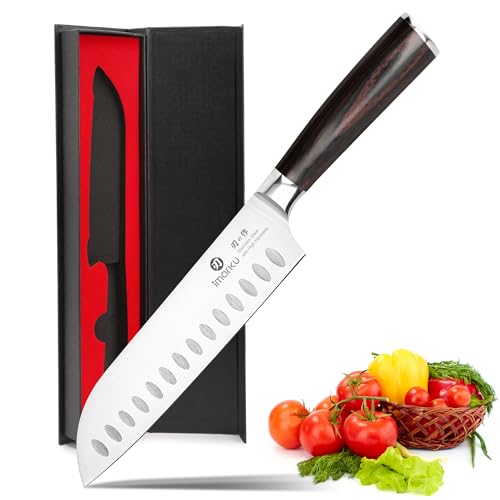
After evaluating these five outstanding options, our top recommendation for most home cooks is the HOSHANHO Kitchen Knife in Japanese High Carbon because it combines premium Japanese steel with an ergonomic wooden handle at a fair price, delivering exceptional sharpness right out of the box. For those who want a lighter, more nimble blade ideal for precision slicing, the imarku Japanese Chef Knife-Sharp Kitchen Knife 8 offers incredible value with its high‑carbon stainless steel and comfortable Pakka handle, making it a perfect choice for daily meal prep without breaking the bank.
Frequently Asked Questions
What is the best Japanese chef knife for beginners in 2026?
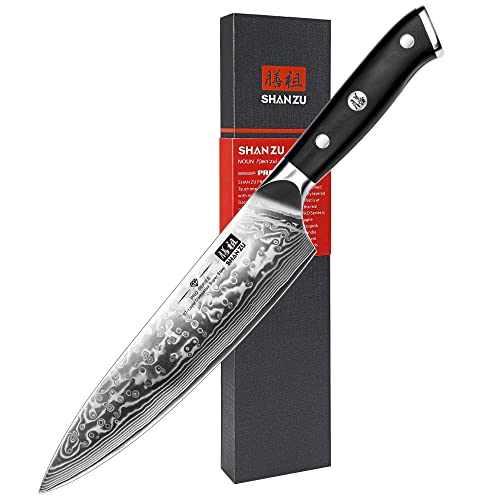
For beginners, we recommend a versatile Gyutou or Santoku with a stainless steel blade and a comfortable handle. The imarku Japanese Chef Knife is an excellent starter because it is sharp, durable, and easy to maintain. Alternatively, the SHAN ZU 8‑inch Chef Knife offers a Damascus pattern at a beginner‑friendly price.
How often should I sharpen a Japanese chef knife?
It depends on usage. For home cooks, honing with a steel rod every few uses maintains the edge, and sharpening on a water stone every two to three months will restore peak performance. Professional chefs may need to sharpen weekly. Using a cutting board (wood or plastic) and avoiding hard surfaces prolongs edge life.
Is a Damascus steel knife worth the extra cost?
Damascus steel adds visual appeal and often indicates a quality layered construction that improves toughness and edge retention. For many cooks, the beauty and performance justify the premium. However, a monosteel knife from a reputable brand can perform equally well at a lower price. Choose based on your budget and appreciation for craftsmanship.
Can I use a Japanese chef knife for cutting bones or frozen food?
No. Japanese knives are very hard and brittle; using them on bones, frozen items, or hard squash can chip or break the edge. For heavy tasks like cleaving bones, use a dedicated cleaver. Stick to slicing boneless meat, fish, vegetables, and fruits to keep your knife in top condition.
For more kitchen essentials, explore our Kitchen category for additional reviews and buying guides.