

After a grueling leg day or a long run, those stubborn knots in your quads and back can make everyday movements painful. You need a reliable tool to release trigger points and keep your muscles limber. That is where a quality foam roller comes in. This guide evaluates three of the most popular models on the market: the The Original Body Roller, the 321 STRONG Patented 3-Zone Massage Roller, and the TRIGGERPOINT Performance Therapy Grid Foam Roller. Whether you are an athlete recovering from intense training or someone who simply sits at a desk all day, these foam rollers can help you maintain mobility and reduce discomfort. For additional pain management tools, check out our best wrist wraps for pain relief.



Buying Guide
Density and Texture
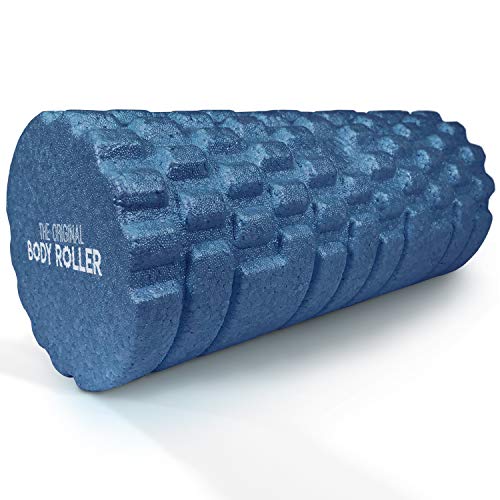
Foam rollers come in various densities. A high-density roller provides deeper pressure for breaking up fascia, while a medium-density option is gentler for beginners or sensitive areas. The textured surface also matters. Some rollers mimic the hands of a massage therapist with ridges and bumps. The Original Body Roller features a dual-grid design with finger-like ridges and spiked bumps, while the 321 STRONG roller uses patented projections in three sizes to simulate fingertips, thumbs, and palms. The TRIGGERPOINT Grid roller has a multi-density exterior over a hollow core for a balanced feel.
Size and Portability
Consider where you plan to use the roller. If you travel frequently or have limited storage, a compact 13-inch model like the TRIGGERPOINT Grid is ideal. For full-body coverage, a longer 17-inch version from The Original Body Roller allows you to target larger muscle groups without repositioning as often. The 321 STRONG roller is also a convenient size for home and gym use. If you live in a small apartment, a compact roller can be easily stored. Our top mops for small apartments guide offers similar space-saving solutions for cleaning gear.
Durability and Material
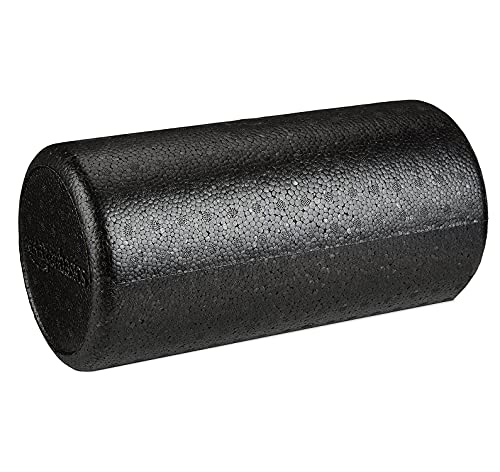
The best foam rollers are built to last. Look for EPP (expanded polypropylene) or closed-cell EVA foam that resists deformation over time. The Original Body Roller uses heavy-duty EPP construction that supports significant weight without cracking. The 321 STRONG roller is wrapped in BPA-free closed-cell EVA foam and features a super-strong lightweight core. TRIGGERPOINT’s Grid roller is made with a rigid hollow core and a multi-density exterior that maintains its shape after repeated use. Avoid rollers with hard plastic components that can crack.
Special Features
Some rollers offer additional benefits. For example, the 321 STRONG roller comes with an eBook companion guide to help you perform effective self-myofascial release. The TRIGGERPOINT Grid provides access to free online instructional videos from experts. The Original Body Roller is available in two sizes for targeted or full-body use. These features can enhance your rolling routine and ensure you get the most out of each session. If you are looking for other ways to manage muscle pain, our smart pill dispenser without subscription guide might interest you.
Final Thoughts
Choosing the right foam roller depends on your personal needs and preferences. For those who want a versatile, high-density roller with dual-texture zones, the The Original Body Roller offers exceptional value and durability. If you prefer a medium-density roller with patented three-zone technology that mimics a therapist’s touch, the 321 STRONG Patented 3-Zone Massage Roller provides targeted relief for tender spots. Both models have earned the trust of users seeking effective self-myofascial release at home.
Frequently Asked Questions
How do I choose the right foam roller density?
If you are new to foam rolling, start with a medium-density roller like the 321 STRONG to avoid discomfort. Experienced users or those with deep muscle knots may prefer a high-density roller such as The Original Body Roller. Always listen to your body and gradually increase pressure.
Can a foam roller help with back pain?
Yes, foam rolling can relieve tension in the back muscles by breaking up adhesions and improving blood flow. Use it on the upper back and lower back muscles, but avoid rolling directly on the spine. The TRIGGERPOINT Grid is a popular choice for back therapy. For additional back pain strategies, see our Best Wrist Wraps for Pain Relief.
How often should I foam roll?
For general muscle maintenance, foam rolling two to three times per week is sufficient. After intense exercise, you can roll immediately and again at 24 and 48 hours to reduce soreness. Each session should last about 10 to 20 minutes per muscle group.
Can I clean my foam roller?
Yes, most foam rollers can be wiped clean with a damp cloth and mild soap. Avoid submerging them in water. For a deeper clean, use a microfiber cleaning cloth to remove sweat and dirt. Some models have removable covers for easy washing.
What is the difference between a foam roller and a massage stick?
A foam roller allows you to use your body weight to apply pressure over a larger surface areas, making it ideal for large muscle groups. A massage stick is more targeted for specific spots. Many athletes use both for complementary recovery. Keeping your foam roller clean is easier with the help of an electric cleaning brush, and for deeper sanitation, a cordless spin scrubber can be effective.

