Picture this: you are under the bar for a heavy squat, your core tight, but your lower back starts to round. Without proper support, that PR attempt turns into an injury risk. A quality weightlifting belt changes the equation by bracing your midsection and keeping your spine neutral. Whether you are a powerlifter, CrossFit athlete, or weekend warrior, the right belt helps you lift heavier with confidence. In this guide, we have evaluated eight of the best weightlifting belts for 2026, covering leather, nylon, and neoprene options from brands like Dark Iron Fitness, Gymreapers, and Element 26. If you also need extra joint protection, check out our best wrist wraps to complement your gear.




Buying Guide: What to Look for in a Weightlifting Belt
Material: Leather vs. Nylon vs. Neoprene
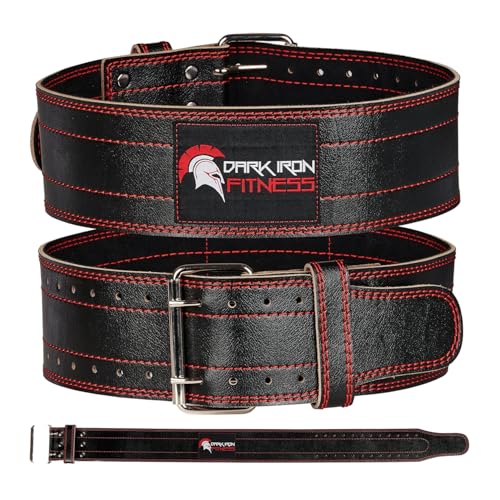
Leather belts, like the Dark Iron Fitness Genuine Leather Weightlifting, offer rigid support ideal for max-effort squats and deadlifts. They require a break-in period but last for years. Nylon belts, such as the Element 26 Self-Locking Weight Lifting Belt, are more flexible, breathable, and competition-approved for Olympic lifting. Neoprene belts (like the DMoose Fitness Weight Lifting Belt for Squats) provide cushioning and comfort for high-rep training. Choose based on your primary lifting style.
Width and Back Support
Most belts are 4 inches wide, offering a balance of support and mobility. Some models, like the RDX Weight Lifting Belt AUTO LOCK, feature a 6.5-inch tapered back for extra lumbar stability. Wider belts provide more bracing but may restrict movement during cleans or snatches. For general strength training, a uniform 4-inch belt works well. For dedicated powerlifting, consider a wider back panel.
Buckle and Closure System
Traditional double-prong buckles (found on the Gymreapers Leather Weightlifting Belt) offer a secure, classic fit. Lever or auto-lock systems, like the quick-locking buckle on the Gymreapers Quick Locking Weight Lifting Belt, allow fast adjustments between sets. Self-locking metal buckles on Element 26 belts engage under load for fail-safe security. Think about how often you change tightness during a workout.
Sizing and Fit
Never choose your belt size based on pant size. Measure your waist at the navel while standing. Most belts offer multiple adjustment holes or infinite adjustability (nylon). For example, the Jaffick Leather Weight Lifting Belt for Men Women provides five sizes from 21 to 47.5 inches. A snug fit that allows you to brace your core without cutting off breathing is key. If you are between sizes, size up. For more on protecting your hands during lifts, see our best lifting gloves guide.
Final Thoughts
After assessing all eight belts, two stand out for different needs. If you want uncompromising rigidity for heavy squats and deadlifts, the Dark Iron Fitness Genuine Leather Weightlifting delivers premium leather construction and double-prong security. For those who value versatility and quick adjustments across Olympic lifts and WODs, the Element 26 Self-Locking Weight Lifting Belt offers a nylon build with a self-locking buckle that meets competition standards. Both belts have been validated by thousands of lifters and will serve you well for years. Pair your new belt with a quality workout mat to protect your floor during home training.
Frequently Asked Questions
What size weightlifting belt should I buy?
Measure your waist at the belly button while standing upright. Use that measurement, not your pant size. Most brands provide a size chart; if you fall between sizes, choose the larger one. For example, the Gymreapers Quick Locking Weight Lifting Belt recommends measuring around your navel for accurate sizing.
Leather vs nylon: which is better?
Leather belts offer stiffer support and are preferred for powerlifting and heavy squats. Nylon belts are more flexible, breathable, and easier to clean. For Olympic lifting or CrossFit, nylon is often the better choice. In 2026, both materials remain popular; pick based on your training style.
How tight should a weightlifting belt be?
Your belt should be snug enough that you can brace your core against it, but not so tight that you cannot breathe deeply. You should be able to slide a hand between the belt and your abdomen with some resistance. Over-tightening can restrict diaphragmatic breathing and reduce performance.
Can I use a weightlifting belt for CrossFit?
Yes, many CrossFit athletes use belts for heavy lifts like cleans and deadlifts. A 4-inch nylon belt with a quick-release buckle, such as the RDX Weight Lifting Belt AUTO LOCK, allows fast on/off during WODs. For metcons with lighter weights, you may skip the belt entirely. For more gear to enhance your training, see our best weighted jump rope recommendations.