
The main difference between a shop vac and a dust extractor is filtration: a dust extractor uses a HEPA filter to capture fine, hazardous particles (like those from woodworking), while a shop vac is designed for larger debris and general cleanup. If you work with materials that produce fine dust, you need a dust extractor to protect your lungs. For occasional workshop messes, a shop vac may be enough. Understanding this distinction is the first step in deciding which tool belongs in your shop.



Filtration and Health
A dust extractor is built to contain fine dust that can cause serious respiratory issues over time. Its filtration system typically meets or exceeds HEPA standards, capturing particles as small as 0.3 microns. A shop vac, on the other hand, uses a standard filter that lets most of those fine particles pass through and back into the air.
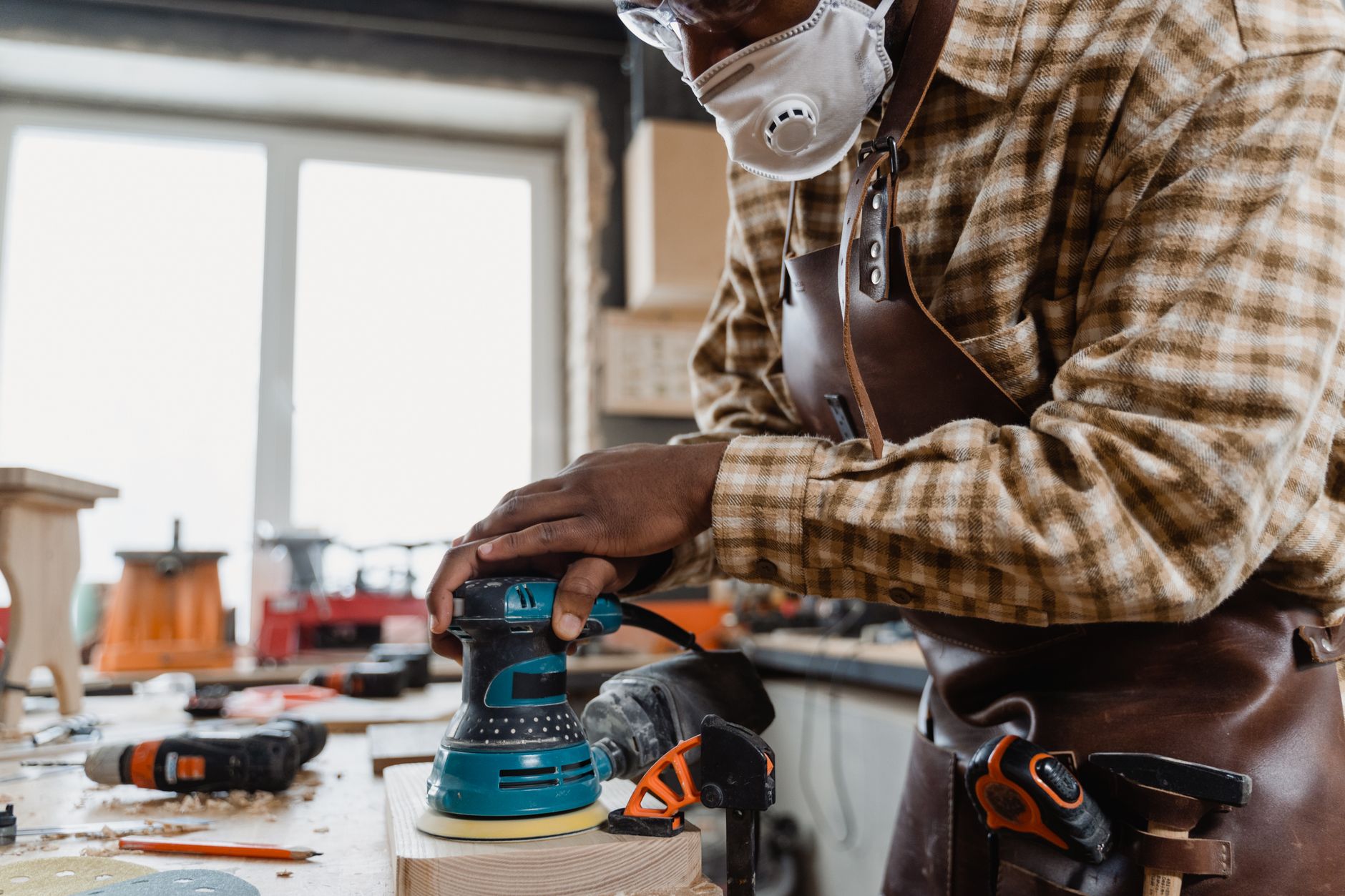
When you sand, cut, or rout wood, the dust is often invisible but still dangerous. A dust extractor keeps that dust sealed in a bag or canister, while a shop vac recirculates it. For your health, this is the most critical difference between the two.
Intended Use and Applications
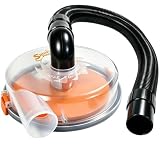
A shop vac is a general‑purpose tool for wet or dry pickup, great for cleaning up sawdust piles, dirt, or even spilled liquids. It excels at large‑volume cleanup but isn’t meant for continuous use with power tools. A dust extractor is designed to connect directly to your tools (like a table saw or sander) and capture dust at the source.
If you do occasional DIY projects, a shop vac might be all you need. But if you spend hours in the workshop every week, a dust extractor will keep the air clean and your tools running longer by reducing dust buildup.
Suction and Airflow
Shop vacs usually produce higher static pressure, which makes them better at sucking up dense debris like screws or wood chips. Dust extractors, however, are engineered for high airflow volume at lower pressure, which is ideal for moving fine dust through long hoses to a collection point.
This difference means a shop vac can clog quickly when used with a dust‑producing tool, while a dust extractor maintains consistent airflow. For sanding or planing, the dust extractor’s constant suction makes a noticeable difference in both air quality and cleanup time.
Portability and Ease of Use
A shop vac is typically lighter and more portable, with wheels and a compact design that makes it easy to move around a job site or home. Dust extractors are often larger, heavier, and more stationary, though some models offer wheels and a handle for limited mobility.
If you need a tool you can carry between rooms or take to a construction site, a shop vac wins. For a dedicated workshop where the vacuum stays in one place, a dust extractor’s size is less of a drawback.
Cost and Value
A good shop vac costs significantly less than even an entry‑level dust extractor. However, the dust extractor’s superior filtration and longer lifespan may justify the higher price for serious woodworkers. Replacement filters for dust extractors are more expensive but last longer than shop vac filters that need frequent changing.
When comparing shop vac vs dust extractor, think of the dust extractor as an investment in your health and workshop cleanliness. The shop vac is a budget‑friendly workhorse for everyday messes.
Noise Level
Dust extractors tend to run quieter than shop vacs because they are designed for continuous operation. Shop vacs often produce a loud, high‑pitched sound that can be tiring during long sessions. If you spend hours in the shop, a quieter dust extractor can make the experience more pleasant.
Noise considerations are especially important if you work in a shared space or near living areas. A dust extractor’s lower decibel level is a practical advantage that many users overlook.
How to Choose Between a Shop Vac and a Dust Extractor
- Identify the type of dust you create: fine dust from sanding or cutting requires a dust extractor.
- Check your tools’ dust ports: many tools require a specific hose size that dust extractors provide.
- Evaluate your budget: a shop vac is cheaper upfront, but a dust extractor may save you money on filter replacements.
- Consider future needs: if you plan to upgrade your workshop, a dust extractor is a more future‑proof choice.
- Think about noise: if you work in a noise‑sensitive environment, a dust extractor is quieter.
For more on choosing the right tools for your woodworking projects, see our guide on cordless drills for woodworking.
Related Guides
Frequently Asked Questions
Can a shop vac be used as a dust extractor?
A shop vac can be used for some dust collection, but it lacks the HEPA filtration needed to capture fine particles. Even with a dust bag, most shop vacs recirculate fine dust back into the air. For health reasons, a dedicated dust extractor is recommended when working with materials that produce fine dust.
What is the difference between a dust collector and a dust extractor?
A dust collector is a large, stationary system for high‑volume wood chips and shavings, often used in production shops. A dust extractor is smaller, portable, and designed for fine dust from power tools. The dust extractor’s HEPA filter makes it suitable for both health and tool protection.
Do I need a dust extractor for DIY projects?
If you mostly drill, saw, or sand occasionally, a shop vac with a good filter may be sufficient. But if you work with materials like MDF, hardwood, or drywall, the fine dust they produce can be hazardous. A dust extractor is a worthwhile investment if you do frequent or prolonged work with these materials.
How do I know if my shop vac has sufficient filtration?
Check the filter rating: a standard shop vac filter captures particles around 30 microns. For fine dust, you need a HEPA filter rated for 0.3 microns at 99.97% efficiency. Some shop vacs accept HEPA filters, but they still may not seal as well as a dedicated dust extractor.
Are dust extractors worth the investment for home workshops?
For serious hobbyists or professionals, yes. The health benefits and cleaner workshop environment justify the cost. For occasional users, a shop vac with a HEPA filter bag can be a reasonable compromise. Consider your dust exposure and budget before making a decision.
Choosing between a shop vac and a dust extractor comes down to the type of work you do and how much fine dust you generate. For health and precision, a dust extractor is the clear winner. For more guidance on outfitting your workshop, read our cordless drill for woodworking article to complete your tool selection.