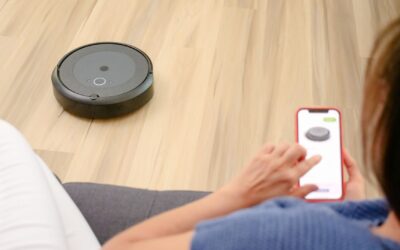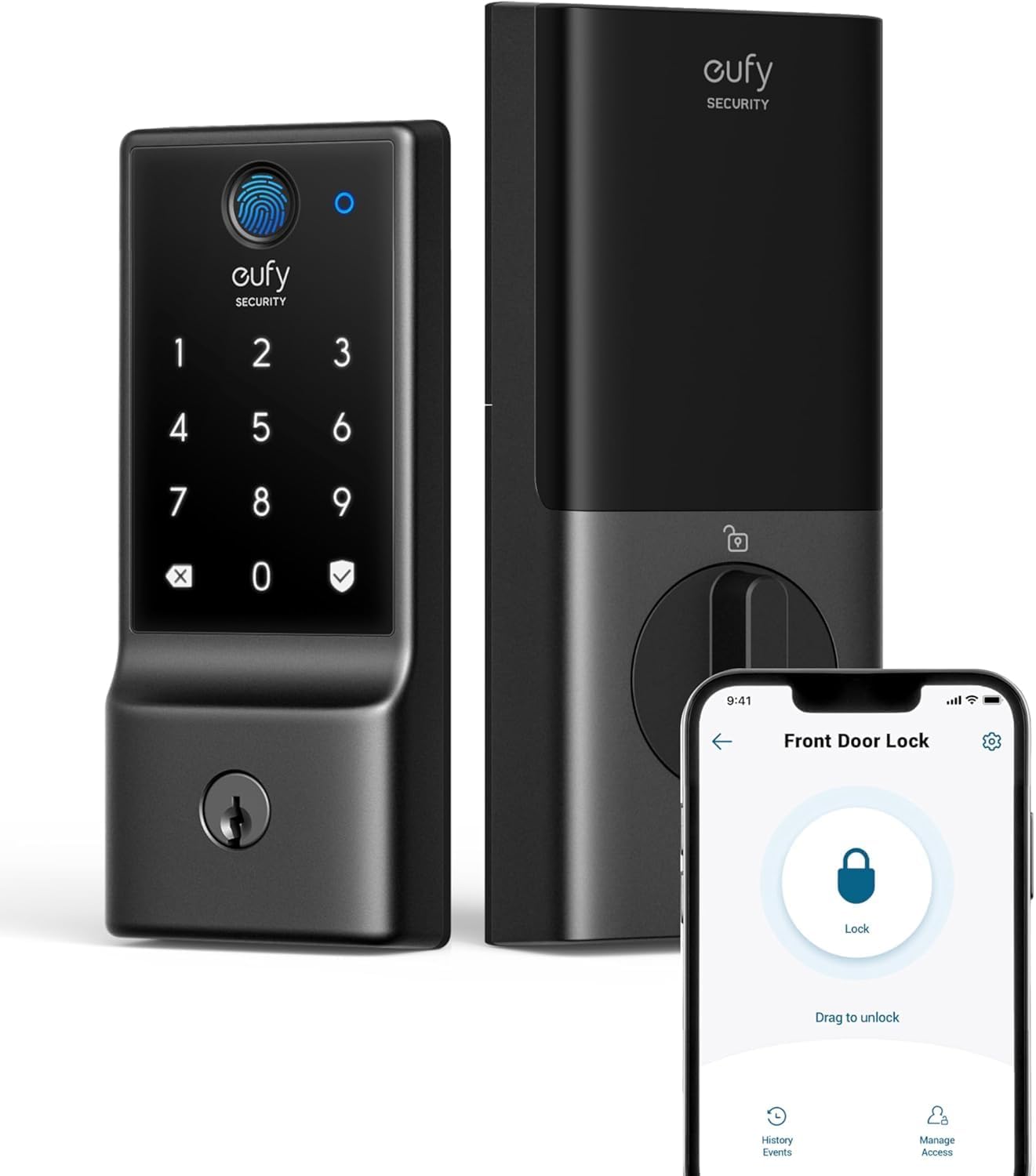
A robot vacuum without subscription is one that operates fully on its own after purchase, with no mandatory paid plans to access core cleaning functions or app controls. Most models that avoid subscriptions rely on one-time purchases and free software, though some offer optional paid features you can skip entirely. Knowing which vacuums stay truly subscription-free helps you avoid surprise fees down the road.
Subscription Models Have Become Common
Some manufacturers now bundle subscriptions into their business model, charging monthly or yearly for features like app access, mapping history, or advanced scheduling. These fees often aren’t obvious until after you buy and set up the vacuum. Understanding where subscriptions hide is your first defense against unexpected costs.
Not all subscription costs are equal. Some charge for premium mapping or cloud storage, while others gate basic remote control behind a paywall. Before purchasing, check whether the vacuum’s core functions require a paid plan or if subscriptions are truly optional.
Free App Control Without Ongoing Fees
Many robot vacuums without subscription still offer smartphone app control at no extra cost. These models use local network connections or Bluetooth to communicate with your phone rather than requiring cloud servers you must pay to access. The app works as long as you own the vacuum, with no expiration date or renewal bill.
Free app control typically includes scheduling, real-time monitoring, and cleaning history. Some vacuums also offer voice assistant compatibility without charging a subscription, though the voice platform itself (like Amazon or Google) may have its own separate ecosystem costs.
Mapping and Navigation Without Paid Tiers
Advanced mapping features used to be subscription-only, but many newer vacuums now include mapping for free. Models that create room layouts and save cleaning zones often store this data locally on the device rather than in the cloud, eliminating the need for a paid subscription to use those features.
Local storage means your vacuum remembers your home’s layout even if your internet goes down or the manufacturer shuts down its cloud service. This approach protects your investment and keeps the vacuum functional long-term without ongoing payments.
Maintenance Reminders and Support Don’t Require Subscriptions
Some vacuums send maintenance alerts or cleaning reminders through their app, and these notifications often come free with the device. Manufacturers sometimes offer optional premium support or extended warranties, but basic alerts about filter changes or brush wear typically cost nothing.
Free support channels like email or community forums are standard. Premium support tiers exist with some brands, but they’re optional add-ons rather than requirements to keep your vacuum running.
Older Models Often Stay Subscription-Free
Robot vacuums released before the subscription trend became widespread typically have no ongoing fees. Older models were designed with local control in mind, so their apps and features work without connecting to company servers. If a model is several years old and still available, it’s often a safer bet against future subscription requirements.
However, older vacuums may lack advanced features like room-specific cleaning or multi-floor mapping. The trade-off is simplicity and no fees versus fewer customization options.
Cloud Storage and Data Logging Are Where Fees Hide
Subscriptions most often appear when vacuums store cleaning history, maps, or usage data on company servers. If a manufacturer wants to keep your data in the cloud beyond a basic free tier, they may charge for extended storage or detailed analytics. Choosing a vacuum that stores everything locally avoids this cost entirely.
Some vacuums offer a free tier with limited cloud history (like 30 days) and charge for longer retention. Others skip cloud storage altogether, making this a non-issue. Reading the fine print about data storage before buying protects you from surprise fees.
How to Find and Choose a Robot Vacuum Without Subscription
- Check the product manual or FAQ before purchasing to confirm no subscription is required for core features.
- Look for vacuums that store maps and schedules locally on the device rather than in the cloud.
- Avoid models marketed as part of a smart home ecosystem if that ecosystem charges monthly fees.
- Test the app during the return window to verify all promised features work without a paid plan.
- Research user reviews on forums or Reddit to see if subscription fees appeared after purchase.
- Ask customer service directly whether any features will require a paid subscription in the future.
These steps help you avoid models that hide subscription costs or introduce them later. If a manufacturer is transparent about free operation, they’ll answer these questions clearly before you buy.
Frequently Asked Questions
Can you use a robot vacuum without WiFi?
Yes, many robot vacuums work without WiFi using local control buttons on the device itself or a simple remote. WiFi is optional for app control, not required for the vacuum to operate. If you prefer no app at all, you can choose a model with only physical controls and no smart features.
Do all robot vacuums charge subscription fees now?
No. Many vacuums still operate without subscriptions, especially older models and budget-friendly options. However, premium and newer models increasingly include optional or required subscriptions. Always verify the subscription policy before purchasing, as it’s not universal across the industry.
What happens if the manufacturer shuts down their app service?
If a vacuum stores everything locally and the app becomes unavailable, the vacuum still works with physical controls. If it relies on cloud services and those shut down, the vacuum may become difficult or impossible to control remotely. Choosing a model with local storage protects you from this risk.
Are there hidden fees after the subscription-free period ends?
Some manufacturers offer free trials of premium features, then charge after the trial expires. Read the terms carefully to understand what’s free permanently versus what’s a trial. Ask customer service to confirm in writing that core features remain free forever.
Can you return a robot vacuum if a subscription requirement appears later?
Most retailers allow returns within 30 days if the product doesn’t match its description. If a subscription suddenly becomes mandatory after purchase, you may have grounds for a return. Check the retailer’s policy and keep your receipt as proof of the original terms.
Related Guides
Conclusion
A robot vacuum without subscription is possible to find, but requires checking the fine print and asking the right questions before you buy. Look for models that store data locally, offer free app control, and have transparent policies about future fees. If you’re ready to compare specific models and their actual features, our detailed reviews break down which vacuums stay truly subscription-free and how they perform.