
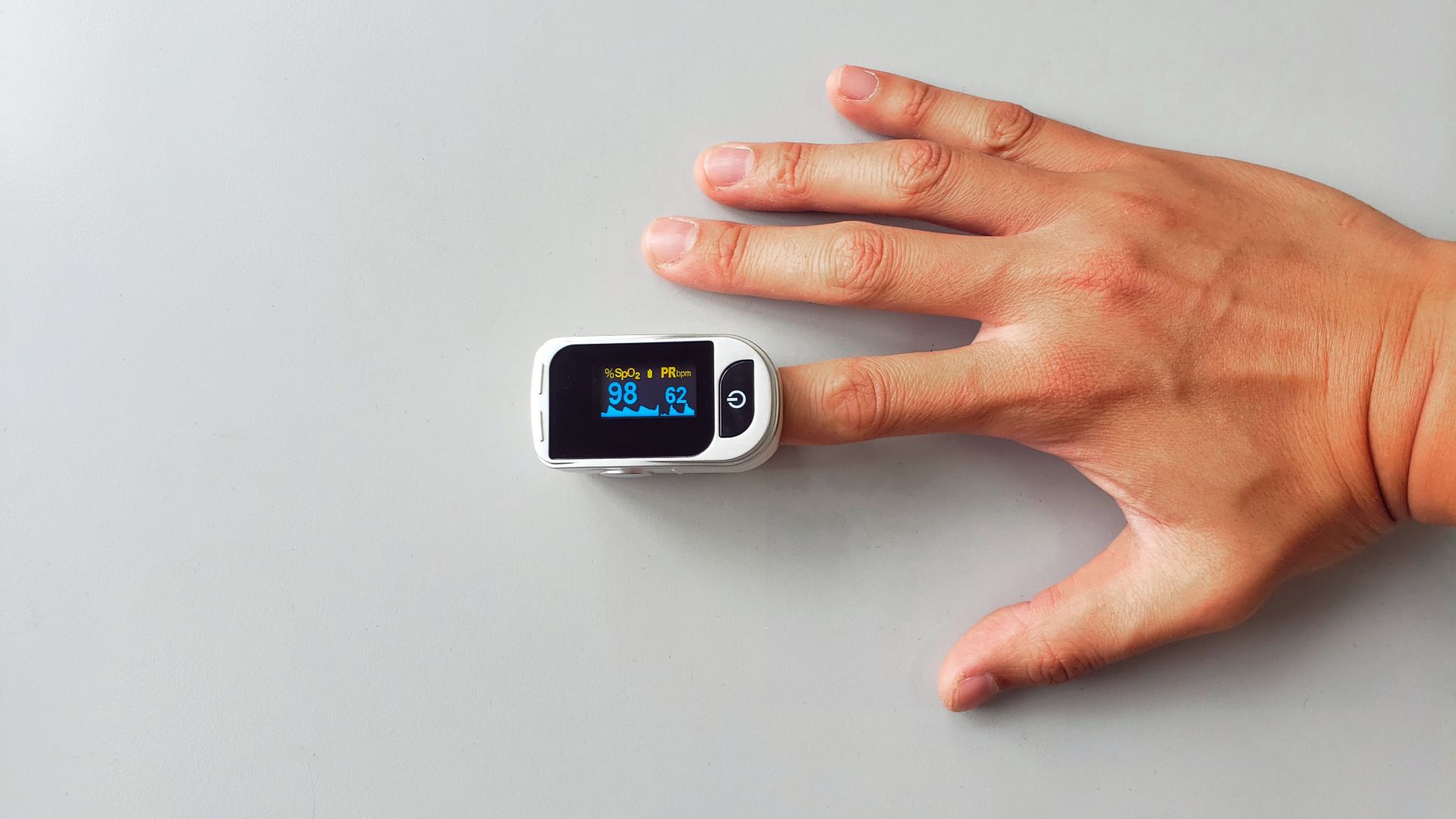
When reading fingertip pulse oximeter reviews, focus on accuracy, sensor quality, display readability, and battery life to identify a device that matches your specific needs. These small clips measure blood oxygen saturation and pulse rate, and their reliability depends on both the technology inside and how you use them. Understanding what each review metric actually means helps you separate marketing claims from real performance.
Accuracy and Certification
Accuracy is the single most important factor in any fingertip pulse oximeter review. Devices that have been cleared by the FDA or carry CE marking have undergone testing to ensure they meet clinical standards. Look for reviews that mention validation studies or compare readings against a hospital grade monitor.
Keep in mind that even certified oximeters can show slight variations. Factors like nail polish, cold hands, or poor sensor placement can affect readings. Reviews that discuss real world conditions are more trustworthy than those that only report perfect lab results.
Sensor Technology and Perfusion Index
Modern fingertip pulse oximeters use photoplethysmography to measure blood flow. Some reviews mention perfusion index (PI), which indicates the strength of the pulse signal at the sensor site. A higher PI usually means more accurate readings, especially in people with low blood flow.
If you have cold extremities or poor circulation, look for reviews that comment on how well the oximeter performs under low perfusion conditions. Some sensors are more sensitive than others, and a good review will note whether the device struggles to lock onto a signal.
Display and Usability
A clear display makes a big difference in daily use. Reviews often mention screen brightness, font size, and whether the numbers are easy to read in bright light or darkness. Many fingertip pulse oximeters have auto rotate screens so the reading is right side up no matter how you hold the device.
One button operation is common, but some models require holding the button to turn on, which can be awkward. Look for reviews that describe the user interface and how intuitive it is. If you plan to use the oximeter on yourself, ease of operation is key.
Battery Life and Portability
Battery life varies widely between models. Reviews that track battery performance over weeks or months are valuable. Some oximeters use standard AAA batteries, while others have rechargeable lithium ion cells. Consider how often you will use the device and whether you prefer replaceable batteries or a built in rechargeable pack.
Portability is also a factor if you travel frequently. Compact, lightweight models are easier to carry, but they may have smaller displays. Reviews that mention carrying cases or lanyards can help you decide if the device is practical for on the go use.
Durability and Warranty
A fingertip pulse oximeter is a medical device that should last for years. Reviews that mention build quality, drop resistance, and warranty coverage give you a sense of how long the product will hold up. Some manufacturers offer a one year warranty, while others provide longer coverage.
Also check whether the device is water resistant or splash proof. Sweat or accidental drops near a sink can damage electronics. Reviews that include long term usage reports are the most reliable for assessing durability.
How to Evaluate Fingertip Pulse Oximeter Reviews
- Compare accuracy claims against FDA clearance or clinical validation.
- Look for comments on low perfusion performance if you have cold hands.
- Check display brightness and orientation features for ease of reading.
- Assess battery type and runtime based on your usage frequency.
- Read long term reviews to gauge build quality and warranty support.
By focusing on these five areas, you can quickly filter out superficial reviews and find the information that matters. For detailed comparisons of top rated models, browse our in depth review posts in the Health and Household section.
Frequently Asked Questions
Are fingertip pulse oximeters accurate enough for home use?
Yes, most FDA cleared fingertip pulse oximeters provide readings within 2% of hospital grade devices when used correctly. Accuracy depends on proper placement and avoiding interference like nail polish or motion. Always follow the manufacturer’s instructions.
What does PI mean on a pulse oximeter?
PI stands for perfusion index, a numerical value that shows the strength of the blood pulse at the sensor site. A higher PI (above 1.0) generally indicates better signal quality and more reliable readings. Low PI can occur with cold hands or poor circulation.
Can I use a fingertip pulse oximeter during exercise?
Most fingertip pulse oximeters are designed for spot checks at rest. Movement can cause inaccurate readings. Some sports oriented models are more tolerant of motion, but standard home oximeters work best when you are still.
How do I clean a fingertip pulse oximeter?
Use a soft cloth slightly dampened with isopropyl alcohol or mild soap and water. Avoid submerging the device or getting liquid inside the sensor opening. Clean the sensor window gently to remove oils or dirt that could affect readings.
What is the difference between SpO2 and heart rate on a pulse oximeter?
SpO2 measures the percentage of oxygen saturated hemoglobin in your blood, while heart rate shows how many times your heart beats per minute. Both are displayed on the screen. A normal SpO2 is typically 95% or higher, and resting heart rate varies by individual.
Related Guides
Closing
Reading fingertip pulse oximeter reviews with a clear understanding of accuracy, sensor technology, and usability helps you choose a device that fits your health monitoring needs. For hands on comparisons of specific models, visit our detailed review articles in the Health and Household category.