

Your first aid kit for a boat needs to be waterproof, compact, and stocked for injuries you won’t see on land. A standard household kit misses the specific risks of a marine environment, from seasickness to corrosive saltwater exposure. You need a kit that stays dry, stays organized, and stays accessible when every second counts.
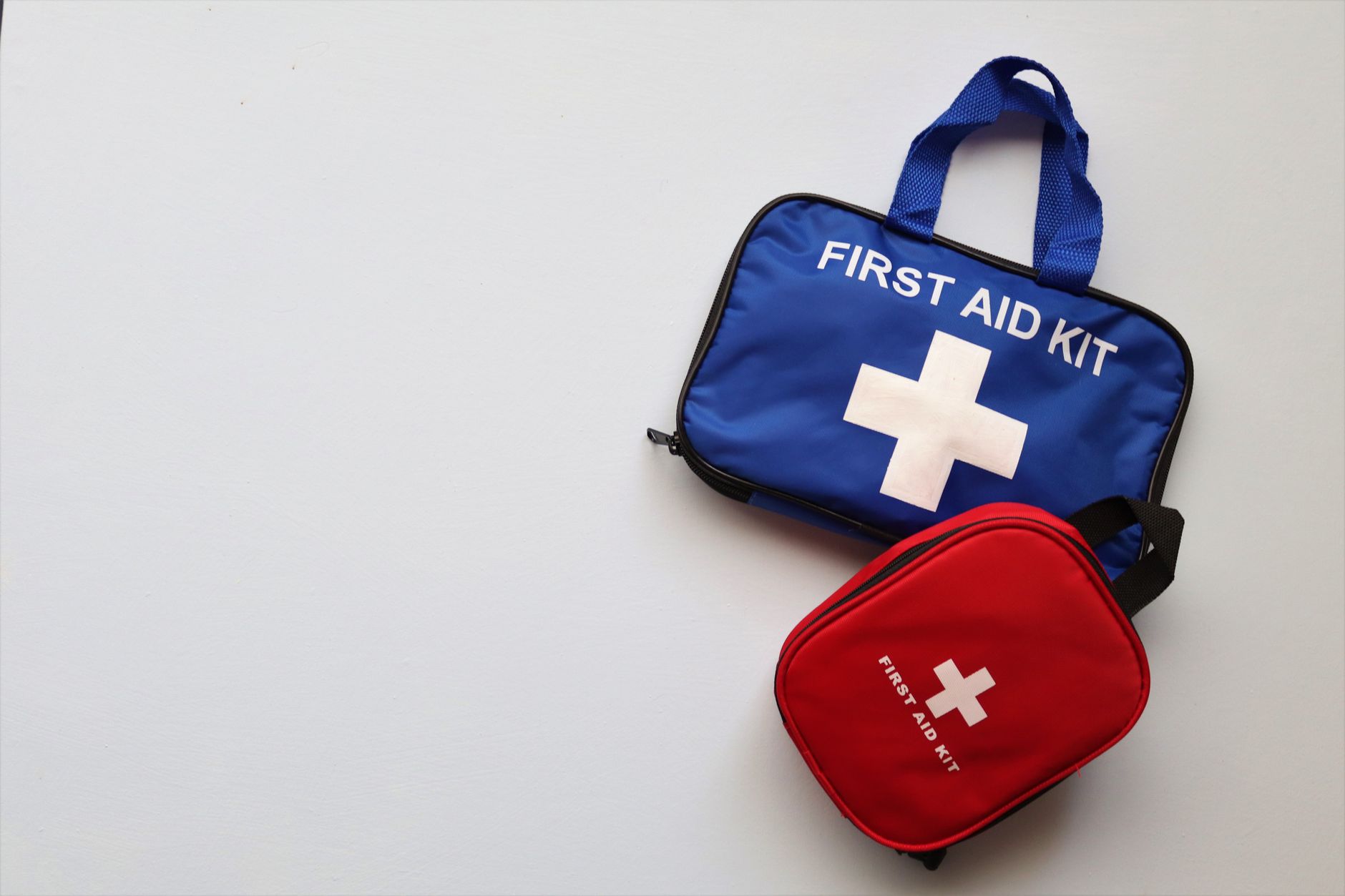
Why a Standard First Aid Kit Isn’t Enough for Your Boat
Most home first aid kits are designed for dry, stable environments. They use cardboard boxes or flimsy plastic that can’t handle humidity, spray, or accidental submersion. On a boat, moisture can ruin bandages, cause metal instruments to rust, and make pill packaging disintegrate.
Your boat also faces unique injury types: cuts from fishing hooks, burns from engine parts, and falls on a moving deck. A standard kit rarely includes burn gel, seasickness medication, or a splint for a broken finger. You need a kit that anticipates these scenarios.
Essential Items for a Marine First Aid Kit
Your first aid kit for a boat should include both standard wound care and marine-specific supplies. Start with adhesive bandages, sterile gauze, medical tape, and antiseptic wipes. Add a pair of tweezers for splinters and hooks, plus a small scissors.
For marine contexts, pack motion sickness medication, antihistamines for allergic reactions, and a burn dressing. Include a CPR mask, a cold pack, and a triangular bandage for slings. A waterproof emergency blanket and a tourniquet can be lifesavers in remote waters.
Waterproofing and Storage Considerations
Your kit’s container is as important as its contents. A hard, waterproof case with a gasket seal protects against spray and accidental drops. Look for a bright color or reflective tape so you can find it quickly in low light or if it falls overboard.
Store the kit in a dry, easily accessible location, not buried under gear. Check the seal after each trip and replace any damp items. Consider a second, smaller grab bag for kayaks or dinghies.
How to Maintain and Restock Your Boat’s First Aid Kit
Inspect your kit at the start of each boating season and after every trip. Replace expired medications, used bandages, and any items that show moisture damage. Keep a checklist inside the lid so you can quickly see what’s missing.
Rotate seasickness pills and other drugs before their expiration dates. Replenish adhesive bandages in multiple sizes. A neglected kit is almost as bad as no kit at all.
Training and Emergency Preparedness
Your first aid kit only helps if you know how to use it. Take a basic first aid course, ideally one focused on marine environments. Practice using each item so you’re not fumbling during an emergency.
Also, keep a waterproof emergency action plan with your kit. Include phone numbers for local coast guard, nearest hospitals, and your boat’s registration. A prepared crew is the best safety equipment you can carry.
How to Fix: Steps to Ensure a Proper First Aid Kit for Your Boat
- Choose a waterproof, hard case designed for marine use.
- Stock standard wound care plus marine-specific items like burn gel and seasickness meds.
- Store the kit in a dry, accessible location, not in a locker with wet gear.
- Check and restock the kit before each season and after every trip.
- Take a marine first aid course to build confidence and skill.
For a detailed look at what to pack in a marine-specific kit, check out our Health & Household category for more resources. (Note: This is a category page, not a specific review, but it can guide you to relevant products.)
Frequently Asked Questions
Do I need a special first aid kit for a boat?
Yes, because a standard kit lacks waterproofing and marine-specific items like seasickness medication, burn dressings, and corrosion-resistant tools. A marine kit is designed to survive humidity and salt spray.
What should be in a basic boat first aid kit?
At minimum, include adhesive bandages, sterile gauze, medical tape, antiseptic wipes, tweezers, scissors, motion sickness pills, antihistamines, burn gel, a CPR mask, and a waterproof emergency blanket. Add a splint and tourniquet for longer trips.
How often should I check my boat’s first aid kit?
Inspect the kit at the start of each boating season and after every trip. Replace any items that are expired, damaged, or used. A quick monthly check during the season helps catch moisture issues early.
Can I use a regular first aid kit on a boat in a pinch?
You can, but it’s not ideal. A regular kit will quickly degrade from moisture and may lack the items you need for marine injuries. If you must use one, store it in a dry bag and supplement with marine-specific supplies.
Are there legal requirements for a first aid kit on a boat?
Requirements vary by location and vessel size. The U.S. Coast Guard recommends a first aid kit for recreational boats, but specific mandates differ. Check your state and local boating regulations to ensure compliance.
Related Guides
Conclusion
A first aid kit for your boat must be waterproof, marine-specific, and regularly maintained to be effective. By choosing the right container, stocking the right supplies, and staying prepared, you can handle common boating injuries with confidence. For more guidance on building a complete safety kit, visit our Health & Household category.


