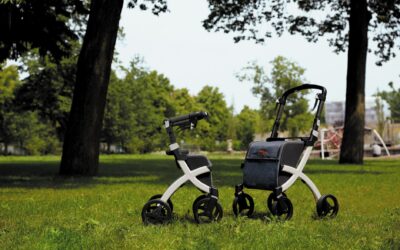
A lightweight folding rollator is a mobility aid designed to combine portability with stability, making it easier to move around while also providing a seat and storage. Unlike heavier standard rollators, these models typically weigh under 15 pounds and collapse compactly for storage in a car trunk or closet. They offer a practical solution for people who need occasional support but still want to maintain an active lifestyle. When evaluating a lightweight folding rollator, focus on features like frame material, weight capacity, handle adjustability, and how easily it folds.
Frame Material and Weight
The frame is the most critical component of any lightweight folding rollator. Aluminum is the most common material because it is strong yet much lighter than steel. Some models use aircraft-grade aluminum to keep weight low without sacrificing durability. Carbon fiber is even lighter but generally more expensive and less common at the affordable end of the market.
You should check the total weight of the rollator when empty, not just the frame. Many lightweight folding rollators weigh between 10 and 15 pounds. Heavier models around 15 to 18 pounds may still be considered lightweight but can feel noticeably different when lifting into a car. A lower weight makes everyday handling easier, but ensure the frame still feels sturdy when you lean on it.
Folding Mechanism and Compactness
Not all folding mechanisms are created equal. The best lightweight folding rollators offer a one-step folding action that requires minimal effort. Look for models that collapse without needing to remove wheels or other parts. Some designs fold by pulling a cord or pressing a button, while others use a two-step process. Test the mechanism in person if possible to see if it matches your strength and dexterity.
Compactness matters too. A rollator that folds to a small footprint is easier to store at home or in a car. Measure your trunk space before buying, some lightweight folding rollators are only 12 to 15 inches wide when folded. Also check the folded height, as tall units may not fit behind a car seat.
Seat Comfort and Height
Seating is a key feature of a rollator because you may need to rest frequently. Lightweight folding rollators typically have a padded seat that is about 12 to 14 inches wide. Check the seat height range, ideally it should match your natural sitting height, which is usually around your knee height. Most models offer adjustable handles, but the seat height itself may be fixed. If you are very tall or short, look for a rollator with a seat height that works for you.
Also consider the backrest. Some lightweight folding rollators include a padded backrest for added support, while others have only a strap. A backrest can make sitting longer far more comfortable, but it adds a little weight. Decide how often you plan to sit versus walk.
Wheel Size and Terrain Suitability
Wheel size directly affects how the rollator handles different surfaces. Lightweight folding rollators often come with 6-inch to 8-inch wheels. Smaller wheels (6 inches) are fine for smooth indoor floors and paved sidewalks but can catch on cracks or gravel. Larger wheels (8 inches or more) provide a smoother ride on uneven terrain and are better for light outdoor use.
Consider where you will use the rollator most. If it is mainly indoors, smaller wheels keep the unit lighter and more maneuverable. For outdoor walks, bigger wheels are worth the extra weight. Also check whether the wheels are made of solid plastic or have rubber tires, rubber grips better but may require occasional inflation.
Weight Capacity and Safety Features
Every lightweight folding rollator has a maximum weight capacity stated by the manufacturer. This capacity typically ranges from 250 to 350 pounds. Exceeding this limit compromises stability and can damage the frame. Always choose a rollator rated at least 20 to 30 pounds above your actual weight to allow a safety margin.
Safety features include locking brakes on the handles, which are essential for stopping on inclines or when sitting. Most lightweight folding rollators have push-down brakes that lock when you apply downward pressure. Some models also have a parking brake that keeps the rollator stationary when parked. Test the brake pressure, it should engage easily without requiring excessive force.
Handle Adjustability and Ergonomics
Handle height is one of the most important adjustments on a lightweight folding rollator. Handles that are too low force you to stoop, while too high makes you reach up. Correct handle height allows your elbows to bend at about a 15 to 20 degree angle when your hands are on the grips. Most models offer multiple height positions, usually ranging from about 32 to 38 inches from the floor.
Grip material matters for comfort. Foam grips cushion your hands, while rubber grips provide better traction but can feel harder. Some rollators offer ergonomic grips that reduce pressure on your palms. If you have arthritis or hand weakness, look for larger, contoured grips.
Storage and Accessories
Lightweight folding rollators often include a built-in bag or basket for carrying personal items like a water bottle, phone, or keys. The size of the storage area varies. Some have a small pouch under the seat, while others have a large removable bag. Check if the bag is easy to access while sitting or walking.
Other accessories worth considering include a cane holder, cup holder, and a tray for eating or doing activities. These extras add convenience but also add weight. Decide which features are essential for your daily routine and choose a model that offers them without going over your preferred weight limit.
How to Choose the Right Lightweight Folding Rollator
- Assess your primary use environment, indoor only or mixed outdoor/indoor.
- Measure your height and seat height needed; test handle adjustability range.
- Check the folded dimensions against your car trunk or storage space.
- Confirm the weight capacity exceeds your weight by at least 20 pounds.
- Decide on wheel size based on terrain (6 inches for smooth, 8 inches for outdoor).
- Evaluate the folding mechanism for ease of use with one hand.
- Consider storage bag size and any extra accessories you need.
If you are still unsure which model fits your needs, browsing our Blog can provide more insights on mobility aids and other health-related products. We regularly update our content to help you make an informed decision.
Frequently Asked Questions
How much weight can a lightweight folding rollator support?
Most lightweight folding rollators have a weight capacity between 250 and 350 pounds. Always check the manufacturer specification. Choose a model rated higher than your body weight for safety margin. Do not exceed the stated limit as it can cause frame failure or tipping.
Are lightweight folding rollators safe for outdoor use?
Yes, but only models with larger wheels (8 inches or more) and pneumatic or rubber tires handle rough pavement well. Smaller wheels are fine for smooth sidewalks but can catch on gravel or cracks. Always apply brakes before sitting, and avoid steep slopes if the brakes are not rated for inclines.
How do I clean and maintain a lightweight folding rollator?
Wipe the frame with a damp cloth and mild soap. Lubricate folding joints occasionally with a silicone spray. Check wheel bearings and brake pads for wear every few months. Tighten any loose screws. Store indoors to prevent rust and damage from weather.
Can I take a lightweight folding rollator on an airplane?
Most lightweight folding rollators are small enough to fit in an overhead bin or be gate-checked. Confirm the folded dimensions with your airline’s carry-on size limits before traveling. Some models have a locking mechanism to prevent accidental unfolding during flight.
What is the difference between a rollator and a walker?
A rollator has four wheels, handles, a seat, and often a storage bag. It rolls freely and does not need to be lifted. A standard walker has no wheels or small glides and must be picked up with each step. Rollators provide more support for longer walks and allow you to rest without sitting on the ground.
Conclusion
A lightweight folding rollator can restore independence and confidence in your daily movement, but only if the design matches your specific needs in weight, wheel size, and adjustability. Take time to evaluate these features before purchasing. For more detailed comparisons and reviews of specific models, visit our Blog where we cover a range of health and household products.