
A rollator walker with seat is a wheeled walking aid that includes a padded bench or seat, letting you walk with stability and sit down to rest whenever you need. Unlike a standard walker, a rollator has four wheels, hand brakes, and a frame designed for continuous forward movement. The seat is what sets it apart from a basic rollator, making it ideal for anyone who tires easily or has conditions like chronic fatigue, arthritis, or heart problems. In this guide, you will learn exactly what a rollator walker with seat is, its key benefits, who it helps most, and how to pick the right one for your needs.



What Is a Rollator Walker With Seat?
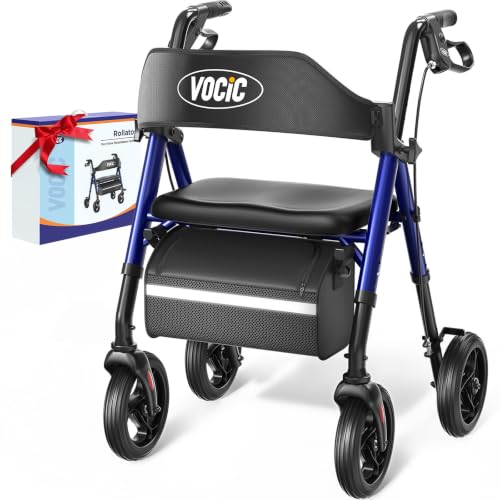
A rollator walker with seat is a medical mobility device that combines a lightweight frame, four wheels, and a built-in seat. The seat is usually padded and located between the handles, making it easy to sit down without removing the walker. Most models also include a backrest for additional support while seated.
The wheels allow you to push the walker forward in a natural walking motion, unlike a standard walker that you lift. Hand brakes let you control speed and lock the rollator in place when you sit. Many models also include a storage basket or pouch under the seat for carrying personal items.
Key Benefits of a Rollator Walker With Seat
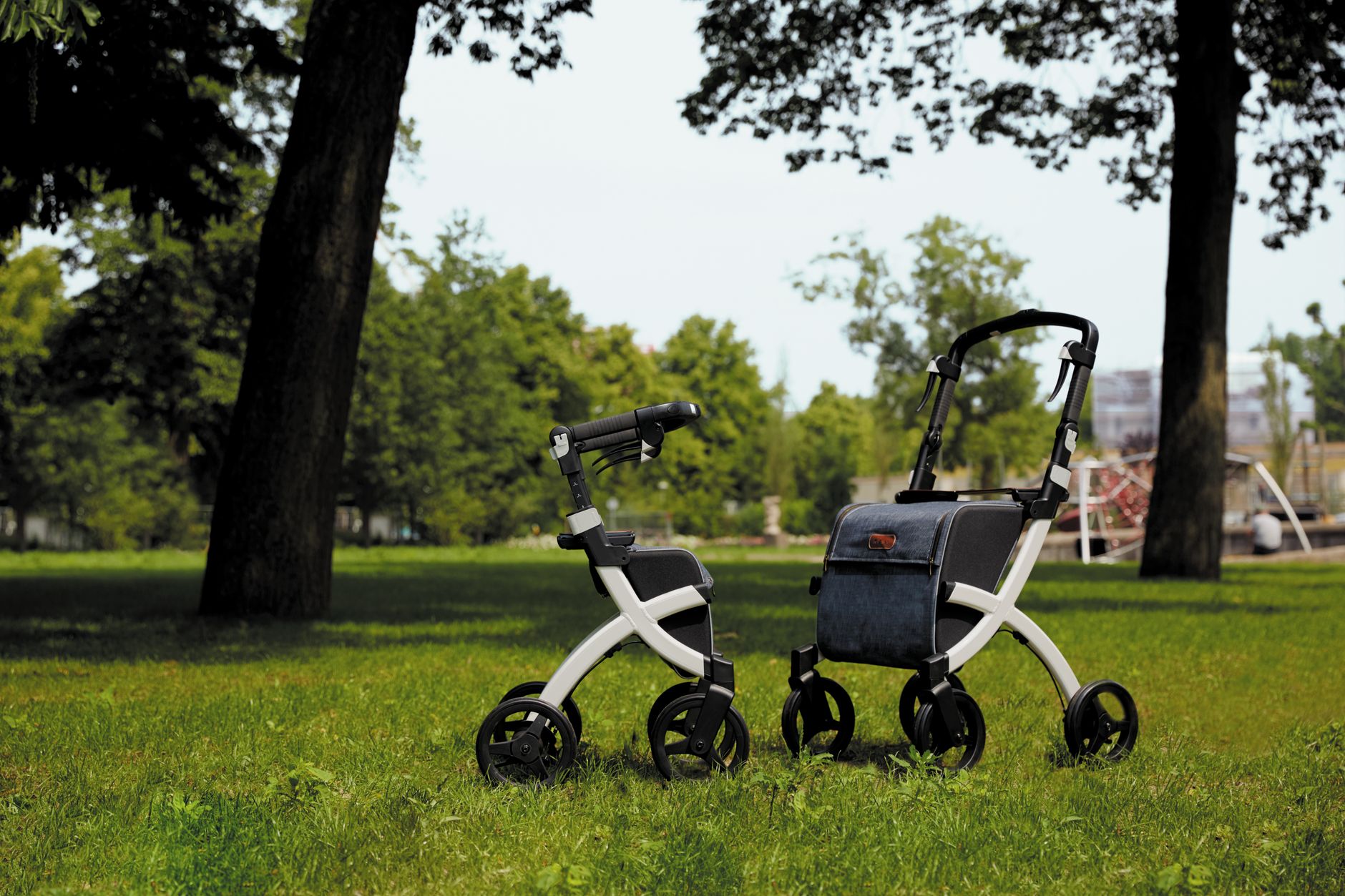
The primary benefit is the freedom to rest anywhere. Whether you are shopping, walking in a park, or waiting in line, you can sit down instantly. This reduces the risk of falls from fatigue and gives you confidence to stay active longer.
A rollator also improves posture compared to a standard walker, since you stand more upright. The hand brakes provide security on slopes, and the wheels handle most indoor and outdoor surfaces well. For many users, a rollator walker with seat becomes an everyday companion that maintains independence.
Who Needs a Rollator Walker With Seat?
A rollator walker with seat is suitable for anyone who needs walking assistance and has enough upper body strength to control it. It is common for seniors with balance issues, people recovering from hip or knee surgery, and those with chronic conditions like multiple sclerosis, Parkinson’s disease, or COPD.
It is not ideal for people who need significant weight-bearing support, such as after a stroke, because a rollator requires you to hold the handles rather than lean on them. In those cases, a standard walker or wheelchair may be more appropriate. Consult a physical therapist to confirm whether a rollator fits your specific mobility level.
Features to Consider When Choosing a Rollator Walker With Seat
Seat height and width matter. Most seats are about 12 to 14 inches wide, and the seat height should match your hip height when standing to allow safe sitting. Look for models with adjustable handles so the grip aligns with your wrist.
Weight capacity is another critical factor. Some models support up to 250 pounds, while heavy-duty versions handle 300 to 500 pounds. Wheel size affects maneuverability: larger wheels (8 inches or more) handle outdoor terrain better, while smaller wheels work indoors. Brakes should be easy for you to squeeze and lock. Finally, consider portability: many rollators fold for car storage, and the folded size should fit your vehicle.
How to Use a Rollator Walker With Seat Safely
Before using your rollator walker with seat, adjust the handle height so your elbows are slightly bent when you grip it. Stand upright, keep your shoulders back, and push the rollator forward naturally. When you want to sit, turn around, back up until you feel the seat against your legs, then lower yourself down. Always set the hand brakes before sitting.
Avoid using the seat while the rollator is moving. Do not lean over the sides or put heavy objects on the seat that could unbalance the frame. Practice on level ground first, then try gentle slopes. If you live on a steep hill, a rollator with larger wheels and stronger brakes is safer.
How to Maintain Your Rollator Walker With Seat
Maintenance is simple but important. Keep the wheels clean and free of hair or debris. Check the brake cables occasionally for fraying. Tighten any loose screws on the frame or seat. If your rollator has a storage bag, wipe it out regularly to prevent dirt buildup.
Store your rollator in a dry place, especially if you use it outdoors in rain or snow. Lubricate moving parts like the folding mechanism every few months with a silicone spray. If the seat padding wears out, you can often replace it with a universal seat cover or cushion.
Frequently Asked Questions
Is a rollator walker with seat covered by Medicare?
Medicare Part B may cover a rollator if your doctor prescribes it as durable medical equipment. The walker must be deemed medically necessary, and you must meet Medicare’s criteria for mobility assistance. Coverage varies, so check your plan and ask your provider for a prescription.
How much weight can a rollator walker with seat hold?
Weight capacities typically range from 250 to 500 pounds. Standard models handle up to 300 pounds; heavy-duty models go higher. Always check the manufacturer’s maximum weight rating, including any items you carry in the basket, because overloading can damage the frame or cause instability.
Can I use a rollator walker with seat on rough terrain?
Yes, but with limitations. Rollators with 8-inch or larger wheels, especially all-terrain tires, handle gravel, grass, and uneven pavement better. Smaller wheels are best for smooth indoor floors. For frequent outdoor use, choose a model with robust wheels and a sturdy frame.
What is the difference between a rollator walker with seat and a transport chair?
A rollator walker with seat is designed for the user to walk and sit independently. A transport chair has small wheels and must be pushed by another person. The rollator offers more freedom and exercise, while a transport chair is useful when the user cannot walk at all.
Final Thoughts
A rollator walker with seat gives you the freedom to walk and rest whenever you choose, making outings safer and more enjoyable. To explore more mobility aids and related equipment, visit our Health & Household category for additional guides and reviews.