What Is the Difference Between Astaxanthin and Beta Carotene?
Astaxanthin and beta carotene are both carotenoids, but they differ significantly in structure, potency, and how your body uses them. Astaxanthin is a ketocarotenoid that crosses the blood-brain barrier and is about 10 times more effective at quenching singlet oxygen than beta carotene. Beta carotene is a provitamin A carotenoid, meaning your body converts it into vitamin A, which is essential for vision, immune function, and skin health. While both offer antioxidant protection, astaxanthin is more potent and targets inflammation and oxidative stress in a broader range of tissues.

Pros
- Effective antioxidant with real user results for joint and skin issues
- Natural, non-GMO source with added carotenoids
- Easy-to-swallow softgels with clean ingredients
- Competitive value for a reputable brand
Cons
- May take a few weeks to notice effects
- Not the strongest astaxanthin dosage for advanced needs
NOW Supplements Astaxanthin 4 mg is a top-rated antioxidant supplement sourced from non-GMO Haematococcus pluvialis microalgae. It targets free radicals while supporting immune health, making it a smart choice for anyone dealing with inflammation, joint discomfort, or looking to improve skin and eye vitality.
User reviews consistently highlight its real-world performance. Many report reduced joint pain and improved skin hydration, often within weeks. The inclusion of naturally occurring lutein, canthaxanthin, and beta-carotene adds extra nutritional value beyond standard astaxanthin supplements.
The softgels are easy to swallow and the formula is free of unnecessary additives. With a strong 4.6-star rating from over a thousand buyers, this product has proven reliable for everyday wellness. The non-GMO algae source also appeals to health-conscious consumers.
One potential drawback is that some users may need a higher dose for severe conditions, and results can vary. A few reviewers noted it took time to see benefits, and it may not replace stronger targeted supplements like glucosamine for joints.
Overall, NOW Astaxanthin offers excellent value for a natural antioxidant. It is well-suited for those seeking gentle, consistent support for inflammation, skin, and immune health. Given its quality and positive feedback, it is a highly recommended addition to a daily regimen.
Chemical Structure and Antioxidant Power
Astaxanthin has a unique molecular structure that allows it to span the cell membrane, protecting both the inner and outer layers from oxidative damage. Its polar end groups enable it to neutralize free radicals in both water-soluble and fat-soluble environments. Beta carotene, on the other hand, is nonpolar and primarily works within the fatty regions of cells.
When comparing their antioxidant capacity, astaxanthin is significantly more effective at neutralizing singlet oxygen, a highly reactive free radical. Studies show that astaxanthin is about 10 to 100 times stronger than beta carotene in this regard. This makes astaxanthin particularly effective for protecting the skin, eyes, and brain from oxidative stress.
Conversion to Vitamin A
One of the most important differences is that beta carotene is a provitamin A carotenoid. Your body can convert it into retinol (vitamin A) through an enzyme-dependent process. This conversion is crucial for maintaining healthy vision, a robust immune system, and proper cell growth. Astaxanthin, however, cannot be converted into vitamin A. It does not act as a vitamin A precursor, so it does not support those same functions.
If your primary goal is to support vitamin A levels, beta carotene is the better choice. But if you are looking for targeted antioxidant protection without affecting vitamin A status, astaxanthin offers a unique advantage.
Bioavailability and Absorption
Both carotenoids are fat-soluble, meaning they require dietary fat for optimal absorption. However, astaxanthin is generally considered more bioavailable because it can be incorporated into cell membranes more easily. When consumed with a meal containing healthy fats, both are absorbed more efficiently.
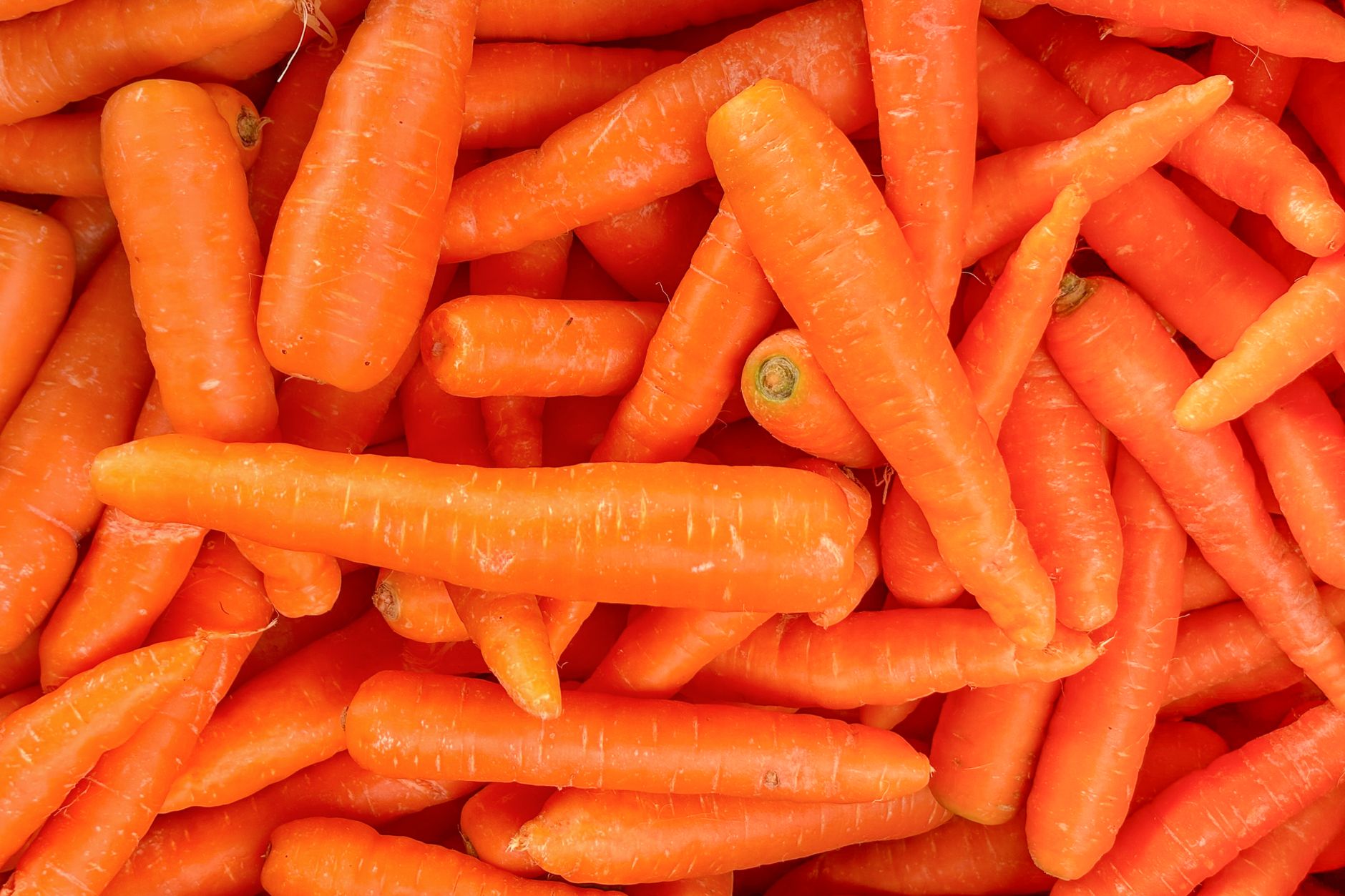
Beta carotene absorption is influenced by factors like cooking method and the presence of fiber. For example, cooking carrots increases the bioavailability of beta carotene, while raw consumption reduces it. Astaxanthin is often sourced from microalgae (Haematococcus pluvialis) and is typically delivered in oil-based supplements to enhance absorption.
Health Benefits and Uses
Astaxanthin is best known for its benefits for skin health (reducing wrinkles and UV damage), eye health (preventing cataracts and macular degeneration), and reducing inflammation in joints and muscles. It also supports brain health by crossing the blood-brain barrier and protecting neurons from oxidative damage.
Beta carotene is well-known for supporting vision, especially in low light conditions, and for boosting immune function. It also helps maintain healthy skin and mucous membranes. Some research suggests that beta carotene may reduce the risk of certain cancers, though results are mixed.
Safety and Side Effects
Both are generally safe when taken in recommended doses. However, high doses of beta carotene (over 20 mg per day) have been linked to an increased risk of lung cancer in smokers. Astaxanthin has no such association and is well-tolerated even at higher doses, though it can cause harmless reddening of the skin or stool.
Excessive beta carotene intake can also cause carotenodermia, a harmless yellowing of the skin that resolves when intake is reduced. Astaxanthin does not cause this effect because it is not stored in the skin in the same way.
Which One Should You Choose?
The choice between astaxanthin and beta carotene depends on your specific health goals. If you need vitamin A support for vision or immunity, beta carotene is the right choice. If you are looking for a potent antioxidant to protect your skin, eyes, and brain from oxidative stress, astaxanthin is more effective.
For many people, a balanced diet that includes both carotenoids from whole foods is ideal. You can get beta carotene from carrots, sweet potatoes, and leafy greens, while astaxanthin is found in salmon, shrimp, and microalgae. If you are considering supplements, always consult with a healthcare professional first.
Frequently Asked Questions
Can I take astaxanthin and beta carotene together?
Yes, it is generally safe to take both together. They work through different mechanisms and do not compete for absorption. In fact, some supplements combine both for a broader antioxidant effect.
Which is better for skin health: astaxanthin or beta carotene?
Astaxanthin is generally considered more effective for skin health because it protects against UV damage and reduces wrinkles. Beta carotene also supports skin health but primarily by providing vitamin A, which is needed for skin cell turnover.
Does astaxanthin convert to vitamin A?
No, astaxanthin cannot be converted into vitamin A. It is not a provitamin A carotenoid. This is a key difference from beta carotene, which your body can convert into retinol.
Is beta carotene safe for smokers?
High doses of beta carotene supplements (over 20 mg per day) have been associated with an increased risk of lung cancer in smokers. Smokers should avoid high-dose beta carotene supplements and get their carotenoids from food instead.
Which one is more powerful as an antioxidant?
Astaxanthin is significantly more powerful as an antioxidant, especially against singlet oxygen. It is estimated to be 10 to 100 times more effective than beta carotene at neutralizing free radicals.
Related Guides
Final Thoughts
In the debate between astaxanthin vs beta carotene, the winner depends on your health priorities. For vitamin A needs, choose beta carotene; for potent antioxidant protection, choose astaxanthin. For more detailed information on carotenoids and their benefits, you can explore our Beauty category.