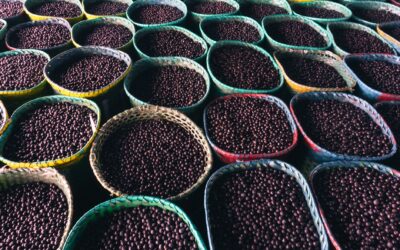
Natural astaxanthin and synthetic astaxanthin differ primarily in their source and molecular structure, with natural astaxanthin derived from microalgae like Haematococcus pluvialis and synthetic astaxanthin produced from petrochemicals. Natural astaxanthin is a complex mixture of isomers that more closely matches what you would find in marine food sources, while synthetic astaxanthin is typically a single isomer. This difference in structure can lead to variations in how your body absorbs and uses each form, making natural astaxanthin generally more bioavailable and effective for human health.
What Is Natural Astaxanthin?
Natural astaxanthin comes from microalgae, specifically Haematococcus pluvialis, which produces it as a protective antioxidant. When you consume natural astaxanthin from algae or from animals that eat it, like salmon or krill, you get a mix of three isomers: 3S, 3’S; 3R, 3’S; and 3R, 3’R. This blend is what your body recognizes from natural dietary sources.
Because natural astaxanthin is bound to fatty acids from the algae, your body can absorb it more easily. Studies suggest that natural astaxanthin has significantly higher antioxidant activity than its synthetic counterpart, which can translate to better support for your skin, eyes, joints, and immune system.
What Is Synthetic Astaxanthin?
Synthetic astaxanthin is manufactured in a laboratory from petrochemical sources. It is almost entirely composed of the 3R, 3’R isomer, which is not the dominant form found in nature. This chemical difference matters because your body’s cells may not recognize or utilize the synthetic isomer as efficiently.
Synthetic astaxanthin is often used as a feed additive in aquaculture to color farmed salmon and trout, giving them the pink hue consumers expect. However, it is not esterified like natural astaxanthin, meaning it is not bound to fatty acids, which can reduce its absorption and effectiveness in humans. The European Food Safety Authority has noted that synthetic astaxanthin is not authorized for direct human consumption in supplements in many regions.
Key Differences in Bioavailability
Bioavailability refers to how much of a substance your body can actually absorb and use. Natural astaxanthin, being esterified with fatty acids, is more easily transported into your cells. Research indicates that natural astaxanthin can be up to 20 times more effective as an antioxidant than synthetic astaxanthin in some tests.
Synthetic astaxanthin lacks this esterification, so your body must work harder to break it down. As a result, you may need to take a much higher dose of synthetic astaxanthin to achieve the same effects as a smaller dose of natural astaxanthin. This makes natural astaxanthin the preferred choice for supplementation.
Differences in Antioxidant Potency
Antioxidant potency is another area where natural astaxanthin outshines synthetic. Natural astaxanthin has been shown to neutralize free radicals more effectively, protecting your cells from oxidative stress. This is partly due to its unique molecular shape, which allows it to span the cell membrane and protect both the inside and outside of the cell.
Synthetic astaxanthin, with its single isomer, does not have the same structural advantage. While it still has some antioxidant activity, it is generally considered less potent. For anyone looking to reduce inflammation, support eye health, or improve skin elasticity, natural astaxanthin is the more effective option.
Sources and Uses in the Market
Natural astaxanthin is primarily sourced from microalgae farms, where the algae are grown in controlled conditions to maximize astaxanthin production. This form is used in high quality dietary supplements for humans, as well as in some cosmetic products for skin protection. It is also what gives wild salmon its deep red color.
Synthetic astaxanthin is cheaper to produce and is widely used in the aquaculture industry to color farmed fish. It is also found in some animal feeds to enhance the color of egg yolks and poultry skin. However, because of its lower bioavailability and potential safety concerns, it is rarely used in human supplements.
How to Choose Between Natural and Synthetic Astaxanthin
When you are considering astaxanthin supplementation, natural astaxanthin from microalgae is the recommended choice. Look for supplements that specify they contain natural astaxanthin from Haematococcus pluvialis. Avoid products that do not specify the source, as they may contain synthetic astaxanthin.
If you are eating salmon, wild caught salmon naturally contains astaxanthin from its diet of algae and krill. Farmed salmon, on the other hand, is often fed synthetic astaxanthin to achieve its color. For the most natural form of astaxanthin, wild caught fish is a better option.
Related Guides
Frequently Asked Questions
Is natural astaxanthin more expensive than synthetic?
Yes, natural astaxanthin is generally more expensive to produce because it requires controlled cultivation of microalgae. Synthetic astaxanthin is cheaper due to chemical manufacturing processes, but its lower effectiveness often makes natural astaxanthin a better value for health benefits.
Can synthetic astaxanthin be used in human supplements?
In many regions, synthetic astaxanthin is not approved for direct human consumption in dietary supplements due to safety concerns. The European Food Safety Authority, for example, has not authorized it. Always check the source of astaxanthin in any supplement you buy.
Does natural astaxanthin have any side effects?
Natural astaxanthin is generally safe when taken in recommended doses. Some people may experience mild side effects like stomach upset or red colored stools. It is always best to start with a lower dose and consult a healthcare provider if you have concerns.
How much natural astaxanthin should I take daily?
Typical dosages for natural astaxanthin range from 4 to 12 mg per day for general health support. Higher doses up to 24 mg per day have been used in studies for specific conditions like joint pain or skin protection. Follow the dosage instructions on your supplement label.
In summary, natural astaxanthin from microalgae is more bioavailable and potent than synthetic astaxanthin, making it the superior choice for health supplements. If you are ready to compare specific products, see our health and household category for supplement recommendations.